
Trump declares national emergency due to risks to US power grid
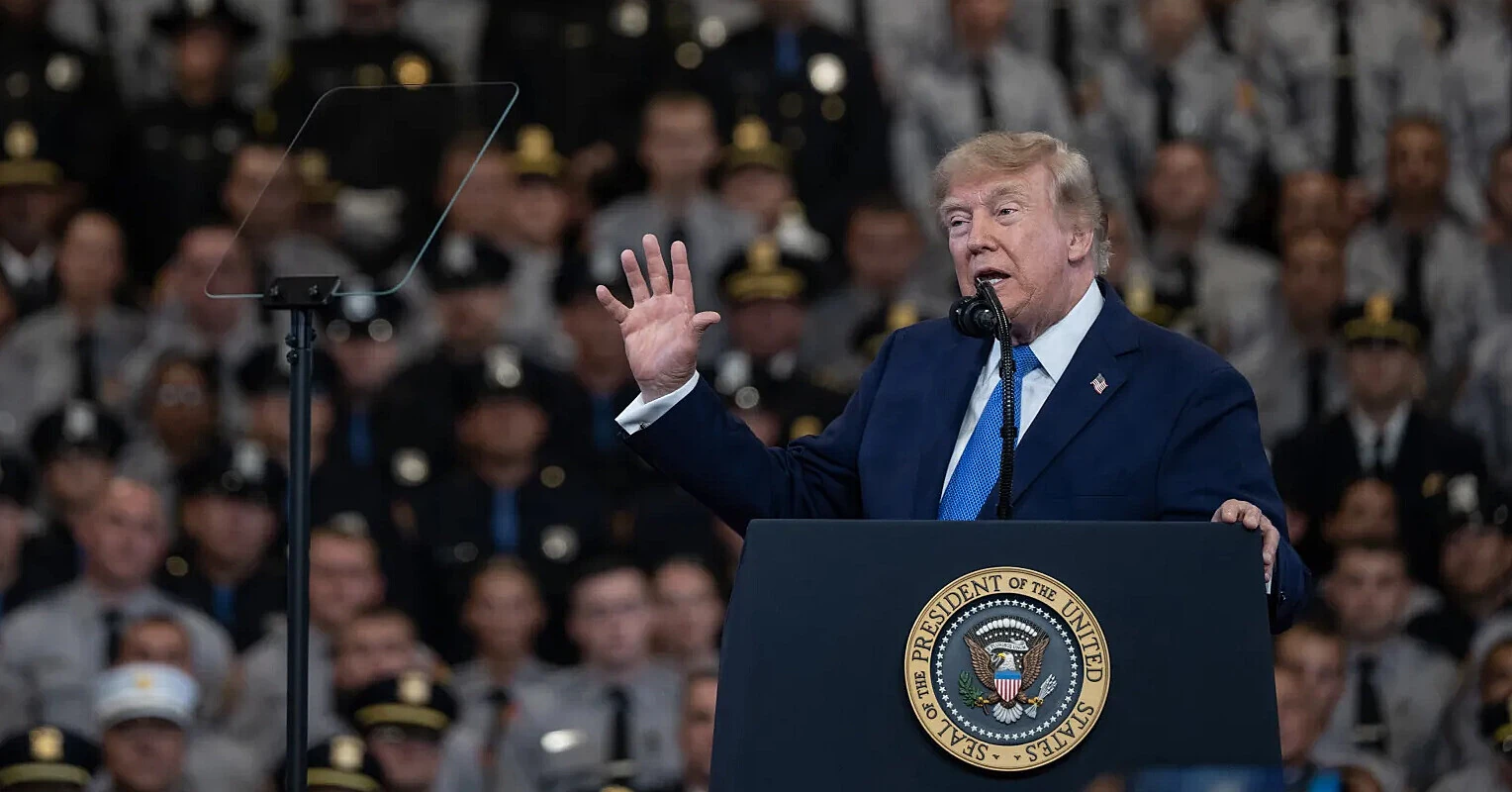
US President Donald Trump has declared a national emergency due to threats related to the use of foreign equipment in the country's bulk power system. The new executive order allows authorities to prohibit the purchase and installation of equipment that may pose risks of sabotage, cyberattacks, remote interference or supply disruptions.
Trump signed the relevant executive order on August 26, the White House reports.
The US administration stated that the American energy system's dependence on foreign equipment has become an "extraordinary and exceptional threat" to the country's national security, foreign policy, and economy.
The White House explains that foreign manufacturers could theoretically embed digital mechanisms for hidden access into equipment, allowing remote interference with its operation. A separate risk cited is dependence on foreign supply chains, which could be disrupted by trade conflicts or other crises.
What equipment may be banned
The executive order does not impose a blanket ban on all foreign energy equipment. Restrictions will apply to operations where equipment, its components, software, or digital services are associated with risky foreign entities identified by the US government and pose an unacceptable threat to the power system.
The US Secretary of Energy has been granted authority to prohibit or restrict the acquisition, import, transfer, and installation of such equipment.
The scope of the order may include, in particular, substation transformers, generators, turbines, grid inverters, large energy storage systems, uninterruptible power supplies for critical infrastructure, high-voltage circuit breakers, and industrial control systems.
Authorities will also inspect associated software, firmware, remote access capabilities, update mechanisms, and other elements of supply chains.
This specifically concerns the US bulk power system, including transmission lines with voltage of 69 kV and above. Ordinary local distribution grids do not fall under the order.
Already installed equipment will also be inspected
The US authorities' powers will apply not only to future procurements. The Department of Energy will be able to impose special conditions for the operation of already installed foreign equipment if it poses a security risk.
In individual cases, it may be required to isolate, further monitor, disconnect, replace, or completely dismantle it.
Before making such a decision, the department must consider the impact on the reliability of electricity supply, the availability of a safe replacement, and the need for continuous operation of critical facilities.
The Department of Energy has also been tasked with creating a list of pre-vetted suppliers and equipment for which simplified rules may apply.
New rules to be prepared within 120 days
Within 120 days, the Department of Energy must prepare rules for implementing the executive order. Authorities must define specific countries, companies, and categories of equipment that will require enhanced scrutiny.
Risky entities may include structures controlled by states under US arms embargoes or sanctions regimes, as well as companies and countries whose activities the US government deems harmful to national security.
Separately, within 180 days, the administration must prepare amendments to federal procurement rules so that government energy projects give higher priority to American-made equipment.
AI and data centers have increased the importance of power grids
The White House explains the strengthened measures by the rapid growth in electricity consumption in the US. Demand has particularly increased from data centers, artificial intelligence systems, high-tech manufacturing, and the defense industry.
In the Trump administration's view, this makes the consequences of a large-scale cyberattack, sabotage, or disruption of component supplies for the power grid significantly more dangerous than before.
The order effectively aims to solve two problems simultaneously: reduce the possibility of foreign interference in the operation of the American energy system and decrease US dependence on the supply of critical electrical equipment from abroad.
Based on materials from: White House
