
Bill Gates warned about three main threats of rapid development of artificial intelligence
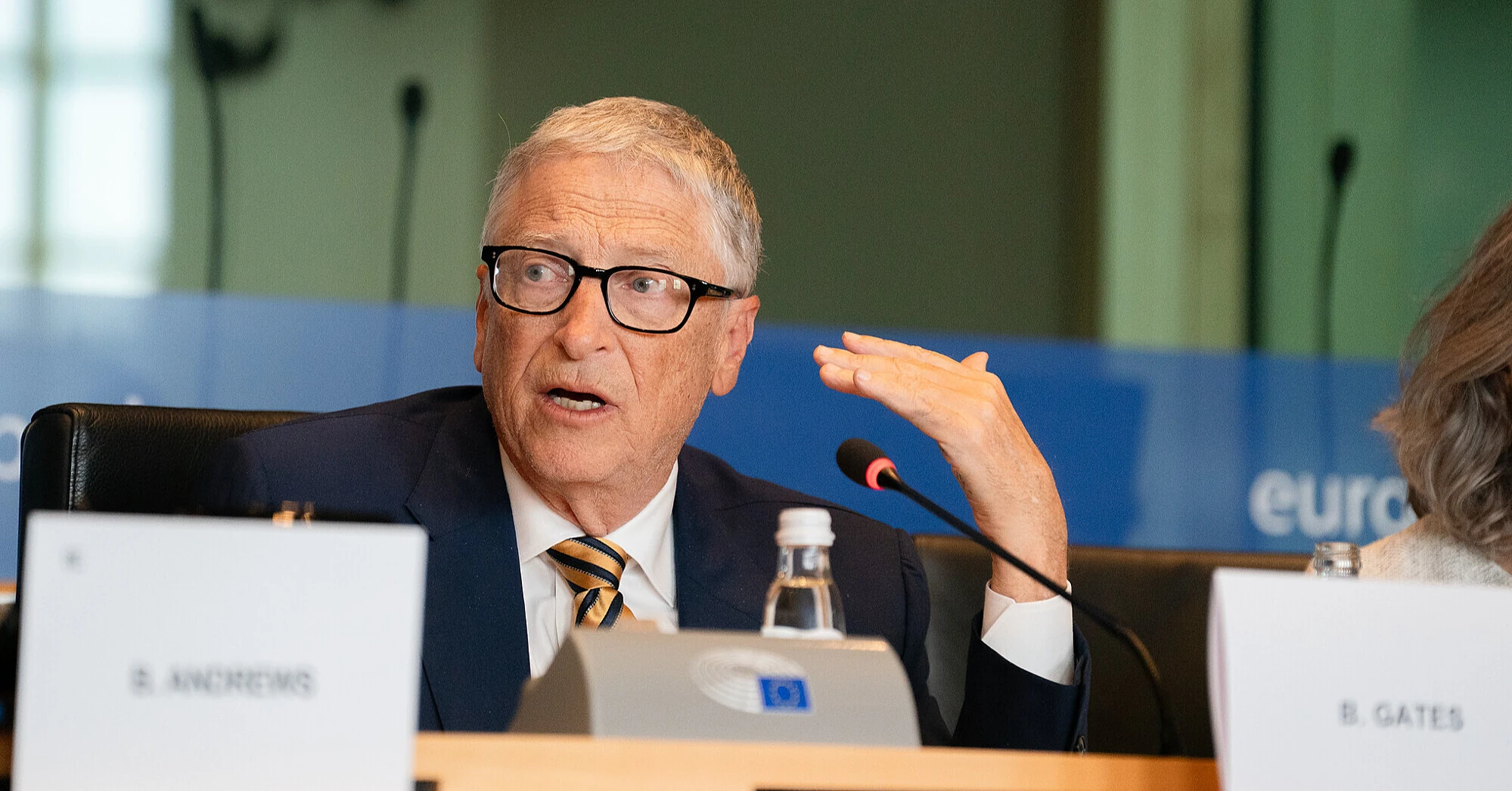
Microsoft founder Bill Gates warned that the rapid development of artificial intelligence could lead to the disappearance of a large number of jobs, enhance the capabilities of criminals, and simplify the creation of biological weapons. In his opinion, governments are not sufficiently prepared for the economic and social consequences of this technological revolution.
Gates laid out his concerns in a lengthy essay about the future of AI. He believes that the technology can become one of the most powerful tools for reducing inequality, or a source of a new large-scale divide in society - depending on how states manage the transition.
One of the main problems Gates named is the labor market. According to his forecast, some professions may disappear forever, and young people trying to get their first job will be particularly vulnerable.
Initially, changes will most affect office professions - specifically customer support, programming, and legal work. Later, as robots become cheaper and more advanced, automation will increasingly affect physical labor as well, including construction and the hospitality industry.
AI may simplify the creation of dangerous pathogens
The second group of risks is related to crime. Gates expects that artificial intelligence will significantly lower the barrier to entry for cyberattacks, fraud, creation of deepfakes, and large-scale information operations.
He is particularly concerned about bioterrorism. AI can accelerate the development of drugs and vaccines, but the same capabilities may help malicious actors design new dangerous pathogens. Gates believes that the risk of non-state groups using such technologies requires a separate international control system.
The third risk he named is the impact of AI on children and human relationships. Constantly available and personalized AI companions, in his opinion, can cause addiction and reduce children's motivation to develop social skills through real communication.
Gates proposes taxes for robots and AI
To soften the blow to the labor market, Gates proposes to revise the taxation system. Among the possible solutions are fees for the use of AI and robots, the funds from which could be directed to retraining workers and social support for people who lost their jobs due to automation.
He also proposed the concept of "reserved for humans" professions. This refers to areas where society can deliberately maintain human participation even when artificial intelligence is already capable of performing the work technologically. Potential examples include education and healthcare.
Despite the warnings, Gates remains a proponent of AI development and expects significant benefits from it in medicine, education, agriculture, and public services. The main problem, he believes, is not the technology itself, but the lack of sufficient preparation for the pace of change.
Based on materials from: The New York Times, Fortune, Financial Times
