
Ukraine warns of risk of sharp reduction in sown areas due to blockade of ports
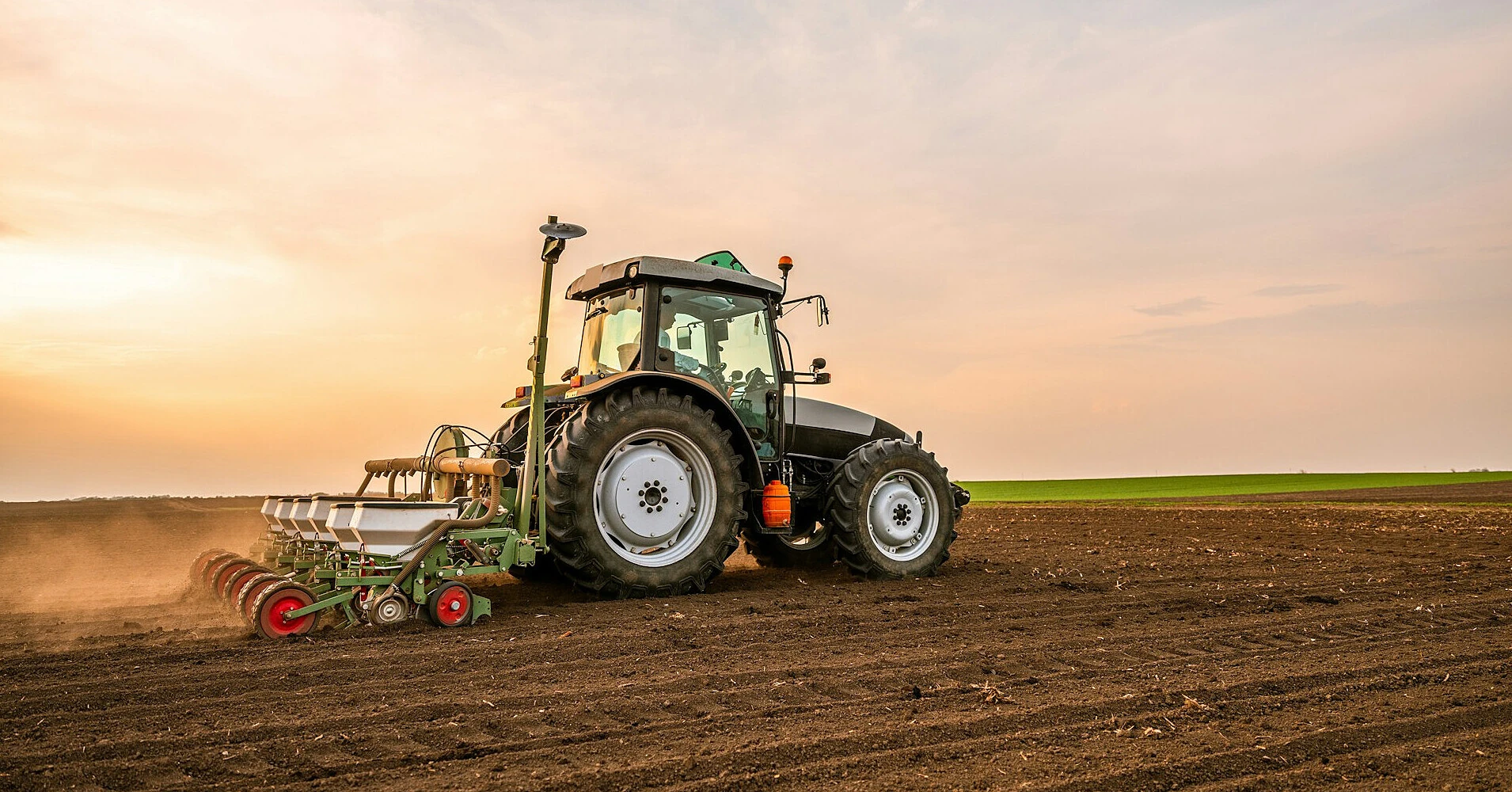
Prolonged problems with maritime exports could lead to a sharp reduction in sown areas in Ukraine as early as next year. The Ministry of Agrarian Policy estimates the areas at risk at 5-7 million hectares if farmers do not receive sufficient financial support. At the same time, the large Ukrainian agricultural holding Kernel warns that without the restoration of stable exports through the Black Sea in the spring of 2027, approximately one fifth of agricultural land may remain unsown.
The situation is exacerbated by systematic Russian attacks on the port and logistics infrastructure of Greater Odesa. The harvested crop is accumulating within the country, storage capacities are shrinking, and farms cannot convert grain into working capital in the usual manner.
The problem was discussed by the Minister of Agrarian Policy and Food Taras Vysotskyi, UN Resident Coordinator in Ukraine Matthias Schmale, as well as representatives of the Food and Agriculture Organization of the United Nations (FAO) and the World Food Programme (WFP).
5-7 million hectares at risk
According to the Ministry of Agrarian Policy, the main threat to the next harvest is no longer just the ability to physically store grain. Farmers need money for wages, fuel, fertilizers, seeds, rent, and other expenses necessary for the next sowing campaign.
If farms cannot sell their crops normally and do not gain access to cheaper financing, the area under the future crop could shrink by 5-7 million hectares, warned Vysotskyi.
One of the key instruments the government considers is interest compensation on bank loans. Ukraine has already officially appealed to the European Union with a request for €220 million to finance such a mechanism.
It is specifically about compensation of interest rates, which should allow farmers to attract working capital and not reduce production due to the inability to quickly sell the accumulated harvest.
In autumn, there may be a shortage of storage for 11 million tonnes of harvest
The second critical risk is the shortage of storage facilities for products. According to Ministry estimates, this autumn the deficit of relevant capacities could reach 11 million tonnes.
To resolve this problem quickly, about $44 million is needed.
FAO, WFP and other international donors have already declared their readiness to provide Ukrainian producers with up to 10,000 grain bags, as well as modular storage facilities.
Approximately 60% of the additional temporary storage capacities are planned to be directed to frontline and most war-affected regions.
The first new grain bags with the support of international partners are expected soon. Separately, FAO is developing mechanisms for small and medium-sized agricultural producers whose access to ordinary bank lending is limited.
Kernel also warns of risk to 2027 crop
The government's assessment echoes the forecast of one of Ukraine's largest grain producers and exporters – Kernel.
The company's CEO Yevhen Osypov told Bloomberg that in the absence of a solution for stable exports through the Black Sea, Ukraine in spring 2027 may not sow about 20% of available agricultural land.
According to the estimate of Kernel's head, this could result in a reduction of future food grain production by approximately 12 million tonnes.
In recent months, the industry's opportunities have deteriorated sharply. According to Bloomberg, shipment volumes through Ukrainian Black Sea ports fell to less than 10% of the level observed earlier this year.
Kernel already has about 1 million tonnes of products in storage. Due to the lack of traditional elevator capacities, farmers are forced to store part of the harvest in special polymer bags.
The problem already goes beyond logistics
The halt or significant restriction of exports creates a chain financial problem for agricultural producers. The harvest remains in warehouses, exporters reduce purchases, and domestic prices find themselves under pressure.
Even if grain is temporarily stored, farms need to finance their current operations monthly. Without sales under foreign contracts, their liquidity shrinks precisely before preparation for the new production cycle.
Thus, the consequences of Russian strikes on port infrastructure may manifest not only in a drop in exports of the 2026 harvest, but also in a physical reduction of production in the next season.
UN will help seek additional funding
As a result of negotiations, the Ministry of Agrarian Policy and UN structures agreed on a joint algorithm for attracting additional funds from international financial organizations, including the World Bank, as well as private humanitarian funds.
In the near future, partners are to define a mechanism for collecting applications from agricultural producers, clarify the needs of individual regions, and form a concrete assistance package.
UN Resident Coordinator in Ukraine Matthias Schmale stated that the organization is ready to promptly mobilize resources and provide the necessary equipment to support the Ukrainian agricultural sector.
Despite export problems, Ukraine has also confirmed its intention to continue the humanitarian program Food from Ukraine, within the framework of which Ukrainian food is supplied to countries facing acute food shortages.
Based on materials from: Ministry of Agrarian Policy and Food of Ukraine, Bloomberg
