
Another country may exit OPEC oil cartel
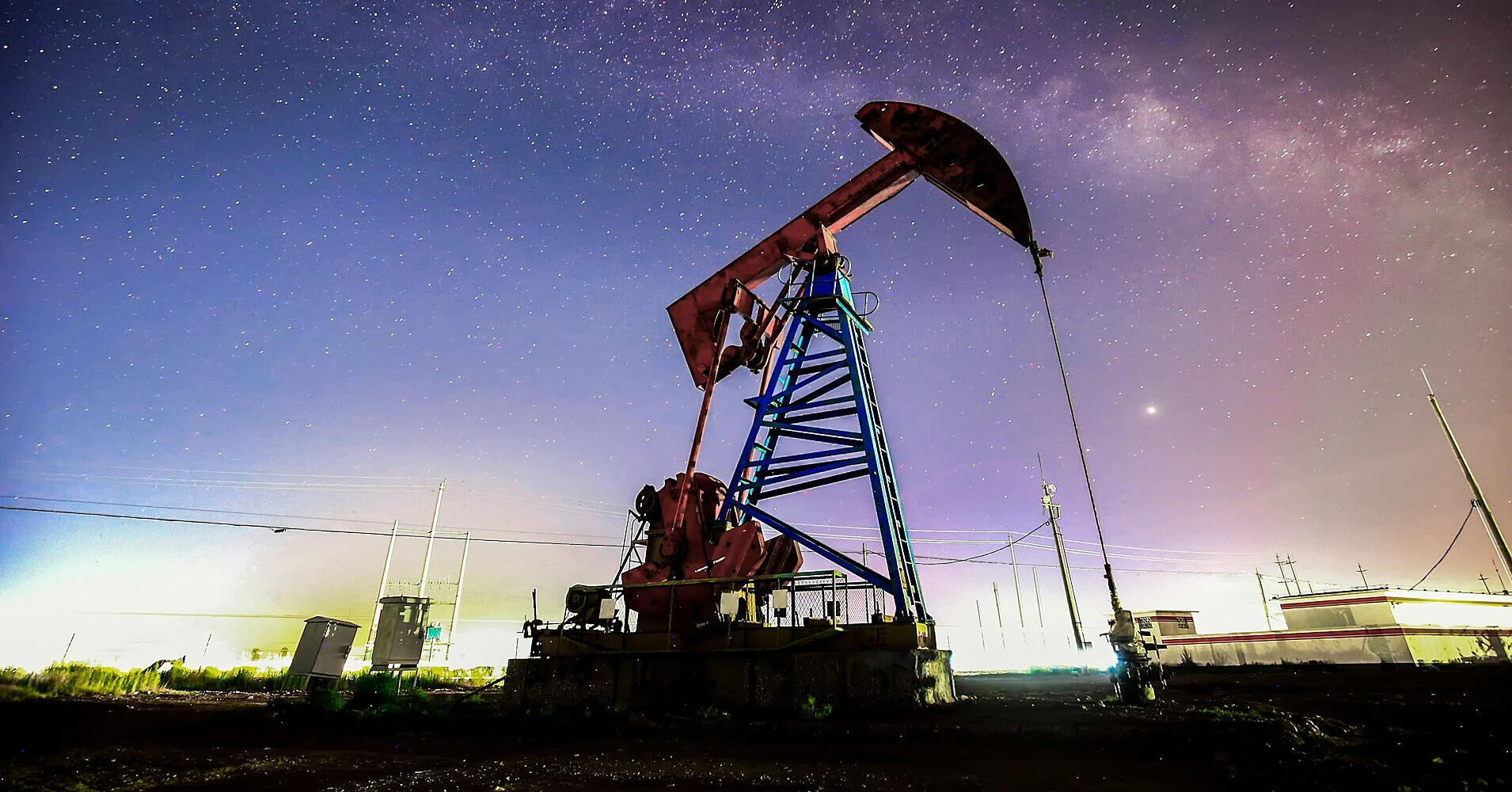
Venezuela is considering leaving the Organization of the Petroleum Exporting Countries (OPEC), one of whose founders it became more than six decades ago. There is no final decision yet, but such a move could be a new blow to the unity of the oil cartel after the exit of the United Arab Emirates.
Bloomberg reports on discussions of Venezuela's possible exit, citing informed sources. According to them, this topic has already been raised during Caracas' contacts with American officials.
The White House did not comment on information about Venezuela's possible exit from the organization. The country's Ministry of Information also did not provide a response to Bloomberg.
Venezuela was at the origins of OPEC
A possible exit will have primarily political and symbolic significance. Venezuela was one of the five states that founded OPEC in 1960 together with Saudi Arabia, Iran, Iraq, and Kuwait.
A major role in the creation of the organization was played by then-Venezuelan oil minister Juan Pablo Pérez Alfonzo. Subsequently, Caracas also actively contributed to the formation of OPEC+ - a broader coalition of oil-producing states, which included Russia and other producers outside the main cartel.
At the same time, Venezuela's economic weight in OPEC has significantly decreased over the past decades due to the decline of the oil industry, American sanctions, and a multi-year economic crisis.
In July, the country produced about 1.16 million barrels of oil per day - less than half the level of a decade ago. In addition, due to the prolonged decline in production, Venezuela is currently effectively not limited by OPEC quotas.
For the market, the consequences may be limited at first
Due to the current relatively small volume of Venezuelan production, the country's possible exit is unlikely to immediately significantly change the balance of supply and demand on the global oil market.
However, in the long term, the significance of the decision could be much greater. Exiting OPEC would allow Caracas to increase production without needing to take into account possible future restrictions of the cartel.
This is especially important against the backdrop of plans to restore Venezuela's oil industry and return international companies to the country. Venezuela possesses the world's largest proven oil reserves, but due to lack of investment and degradation of infrastructure, it uses only a small part of its potential.
If production begins to recover quickly, additional Venezuelan barrels could intensify competition among producers and put additional pressure on global prices.
OPEC has already lost the UAE
Venezuela's possible exit would be especially sensitive for OPEC after the decision of the United Arab Emirates to leave the organization. The UAE announced its exit in April 2026 after approximately six decades of membership.
Unlike Venezuela, the UAE was one of the cartel's largest producers and had significant capacity for further increasing production. Their exit intensified discussions about OPEC's ability to maintain discipline among participants and continue to influence global oil prices.
Iraq has also recently expressed dissatisfaction with the organization's restrictions. Therefore, the withdrawal of yet another founding member of OPEC could strengthen doubts about the cartel's future role.
Caracas is increasingly oriented toward the USA
Discussions about Venezuela's future in OPEC are taking place against the backdrop of a sharp rapprochement between Caracas and Washington after a change of government in the country.
As previously written by Kurs Ukraine, representatives of the USA and Venezuela are also negotiating a possible large American stake in Venezuelan oil fields. Among the options discussed is a long-term lease of certain oil assets.
In the event of simultaneous involvement of American capital and Venezuela's exit from OPEC, Caracas would gain more freedom to restore and increase production without restrictions from the cartel. According to Bloomberg, some American officials view strengthening US-Venezuela oil cooperation as a way to reduce OPEC's influence on the global market.
However, at this point it is only one of the scenarios: the decision on Venezuela's exit from the organization has not been made.
