
Putin sees U.S. weakened and may increase pressure on Europe - WP
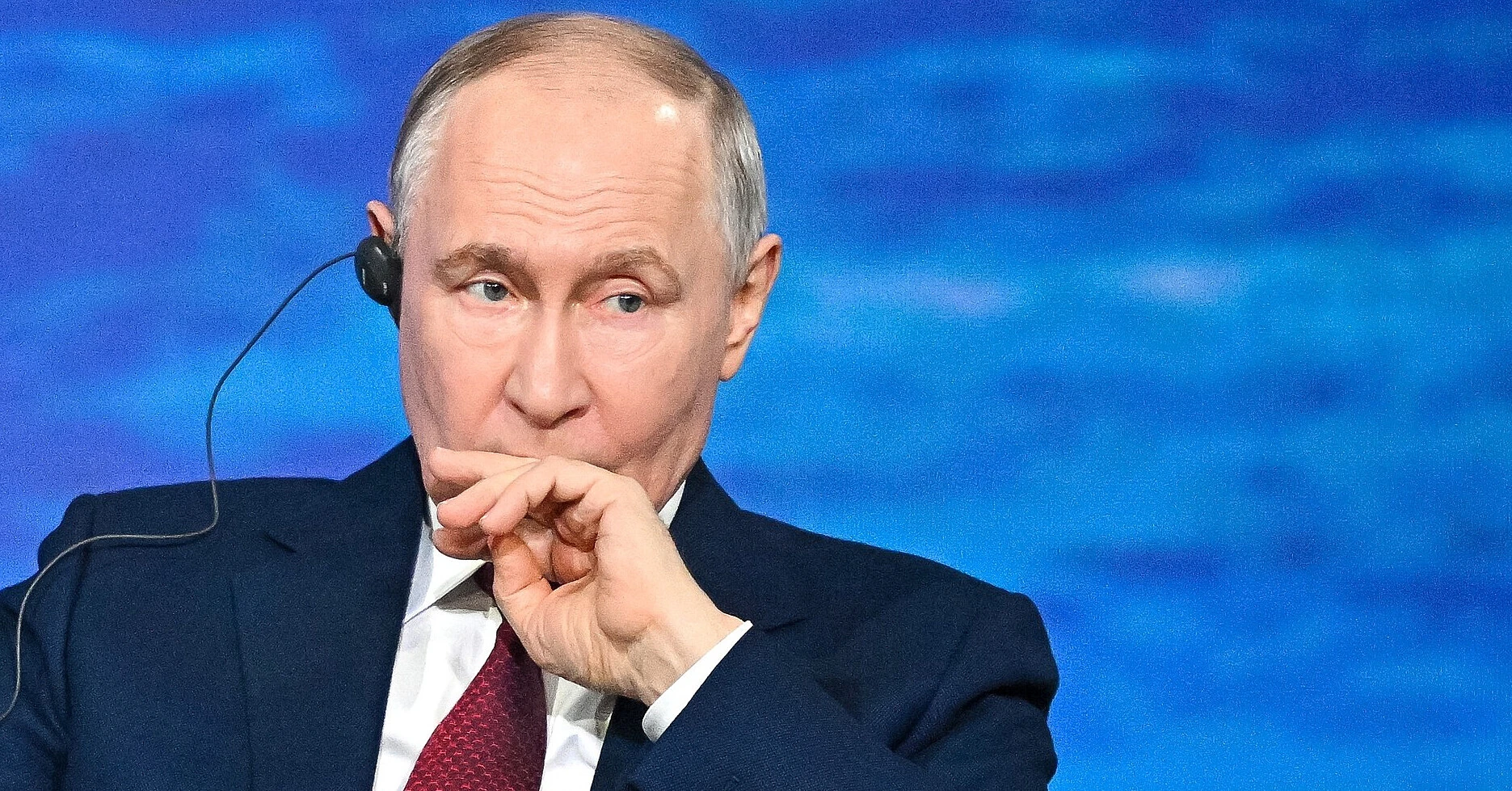
American intelligence has received new information indicating that the Kremlin perceives the U.S. as weakened by the six-month war with Iran and sees in this an opportunity to intensify actions against American interests and allies in Europe. It was precisely this assessment that preceded CIA Director John Ratcliffe's secret visit to Moscow this week.
This was reported by The Washington Post, citing two sources familiar with the intelligence data.
According to them, American intelligence has concluded that Russian President Vladimir Putin sees strategic opportunities in the fact that a significant portion of U.S. military attention and resources is now focused on the war against Iran.
At the same time, the publication's sources did not disclose how this intelligence was obtained or how highly the CIA regards the reliability of this assessment.
Ratcliffe warned Moscow about Ukraine
According to information from one of The Washington Post sources, during negotiations in Moscow the CIA director warned the Russian side against a substantial escalation of the war against Ukraine.
Ratcliffe, according to the source, made it clear that a serious escalation would have the opposite effect for the Kremlin: it could push U.S. President Donald Trump toward greater support for Ukrainian President Volodymyr Zelenskyy.
The CIA director arrived in Moscow on Tuesday, August 25. This was the first known visit by a head of American intelligence to the Russian capital since late 2021, when then-CIA Director William Burns attempted to warn the Kremlin against a full-scale invasion of Ukraine.
Ratcliffe held talks with Sergey Naryshkin, director of Russia's Foreign Intelligence Service (SVR). The Russian side confirmed the meeting but did not disclose details. The CIA director did not meet with Vladimir Putin, according to a Kremlin statement.
War with Iran depleting American arsenals
The Kremlin's assessments come amid growing concern over the state of American munitions stockpiles after prolonged combat operations against Iran.
According to The Washington Post, the U.S. has significantly depleted stocks of several key systems, including Patriot interceptor missiles and other air defense assets. Demand also remains high for Tomahawk cruise missiles and ATACMS tactical missiles, which are also needed by Ukraine.
The publication previously reported that during the war with Iran, the U.S. lost about a quarter of its fleet of Reaper drones, each costing approximately $30 million to $50 million.
The shortage of certain types of munitions is already causing concern not only in Europe but also among American allies in Asia, who are assessing Washington's ability to simultaneously deter a potential escalation with China.
U.S. Defense Secretary Pete Hegseth and other administration officials publicly deny that there is a serious weapons shortage. At the same time, the Pentagon is pressing defense companies to speed up production of several systems.
Europe fears new steps by Russia
According to one source cited by the publication, Ratcliffe's trip was less about Russia finding itself in a difficult situation due to a lack of breakthrough on the Ukrainian front, and more about Washington's concerns that Moscow now considers U.S. capabilities for intervention to be limited.
Anxiety is heightened by Russian hybrid operations in Europe, airspace violations, and drone incidents. Eastern NATO members, particularly the Baltic states, express particular concern.
At the same time, Donald Trump publicly downplayed the risk of a direct Russian attack on U.S. allies on August 27. In response to reporters' questions, he stated that Russia will not attack NATO territory.
Thus, the U.S. president's stance noticeably differs from the concerns that, according to The Washington Post, are present in fresh American intelligence assessments and that were one of the factors behind the unusual visit of the CIA director to Moscow.
Based on materials from: The Washington Post
