
British surgeons use AI for the first time during brain surgery
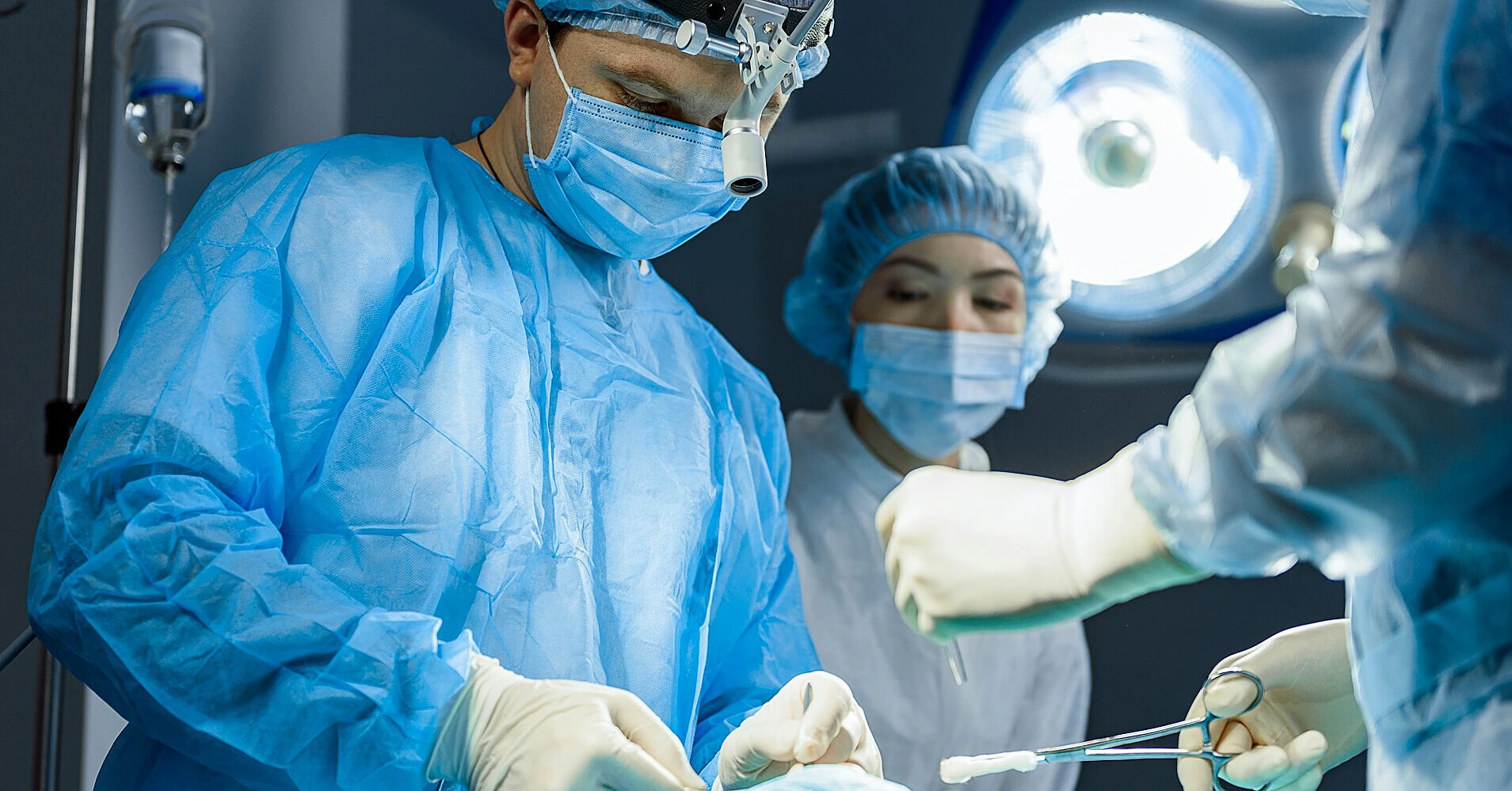
In the United Kingdom, for the first time in the world, artificial intelligence was used to support a neurosurgeon directly during surgery. The system analyzed video from the surgical endoscope in real time, helping doctors distinguish critical brain structures and safely remove the tumor.
The surgery was performed at the National Hospital for Neurology and Neurosurgery in London as part of a clinical trial of the technology developed by University College London specialists.
The first patient was 48-year-old Rhys Gibbett from Bedfordshire. He had a pituitary tumor that had gradually begun to impair his vision and could have led to blindness without surgical intervention.
During the surgery, the AI received video feed directly from the surgical equipment and analyzed it in real time. Unlike systems that work only with pre-operative MRI or CT scans, the UCL technology assessed what the surgeon saw at that very moment.
AI showed the surgeon dangerous areas
The system helped recognize anatomical structures near the base of the brain and highlighted areas that needed to be avoided during tumor removal.
In this region, the pituitary gland, blood vessels, and nerves responsible for vision are located very close together. According to researchers, an error of even one millimeter can cause blindness, stroke, or other severe consequences.
The AI did not control the surgery or make decisions on behalf of the doctors. Its task was to provide the surgical team with additional real-time information and help identify potentially dangerous zones.
The tumor was successfully removed, and the patient's vision was preserved. After the surgery, Gibbett reported a sharp improvement in his vision. Within a week, he was able to move around without the glasses and cane he had used due to loss of peripheral vision.
The AI was trained on hundreds of surgeries
The technology was developed at the Hawkes Institute at University College London. To train it, researchers used a large database of annotated video recordings of previous endoscopic pituitary surgeries.
According to the developers, the system learned from hundreds of surgical videos, gaining access to a volume of different clinical situations that an individual surgeon might encounter over many years of practice.
The algorithm can recognize not only anatomical structures but also surgical instruments and their interaction with tissues. In the future, the technology could track instrument movement and warn the doctor about risky actions during particularly complex surgeries.
The system runs on the NVIDIA Clara IGX platform, designed for using AI in medical equipment with real-time data processing.
The technology is still being tested
The first surgery was part of a clinical study, so the technology is not yet a standard tool in British hospitals. Previously, it was tested on recordings of surgeries and used as a training tool for neurosurgeons.
Researchers believe that such systems could in the future reduce the risk of errors during complex procedures and help surgeons gain experience with rare clinical situations more quickly.
The development and clinical trials are funded by the UK’s National Institute for Health and Care Research (NIHR). Google also contributed to funding the project.
Sources: University College London, University College London Hospitals, NIHR Biomedical Research Centre
