
About 90% of food retail logistics destroyed in Ukraine - Ministry of Agrarian Policy
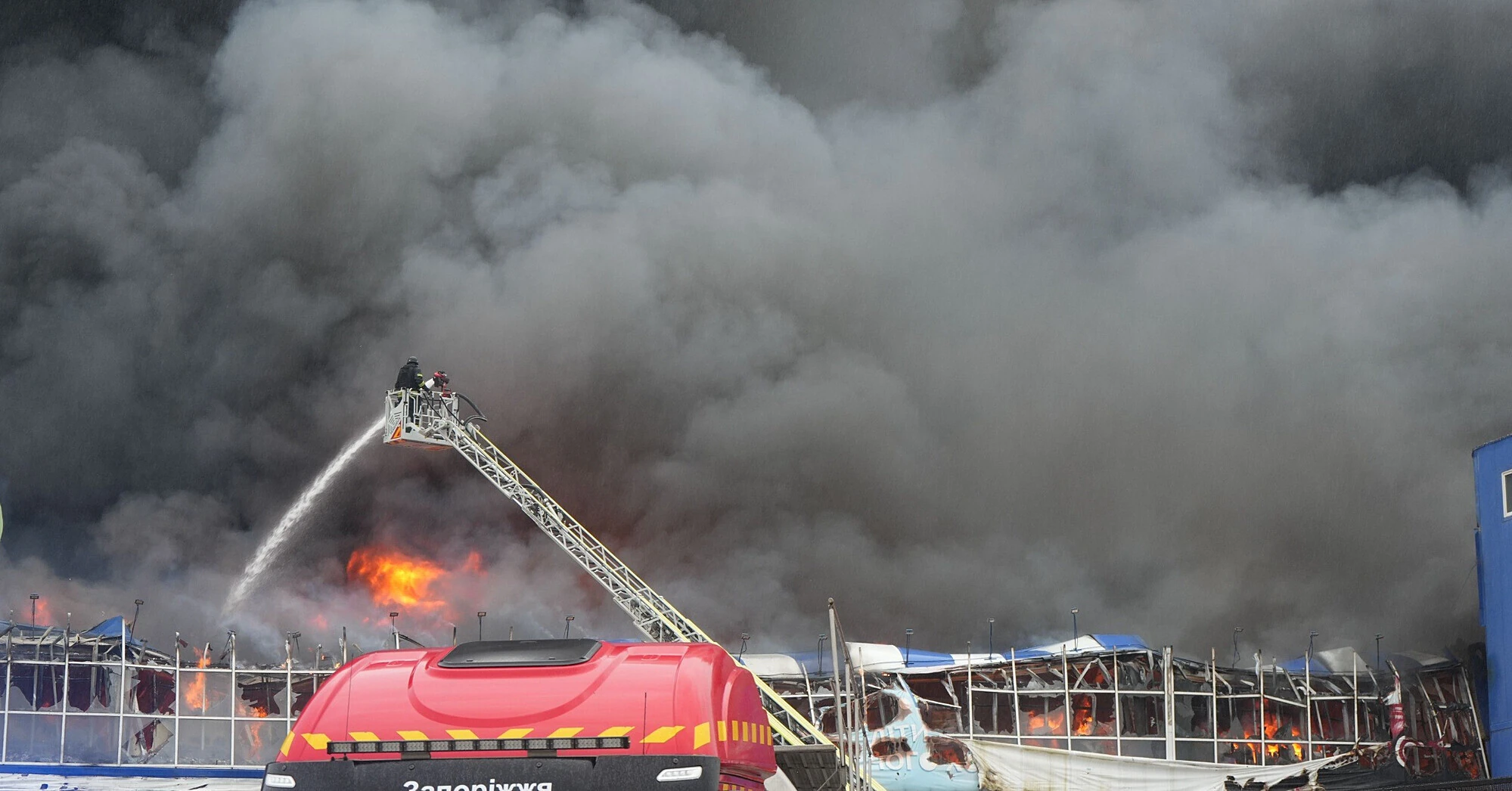
Russian strikes have caused massive losses to the logistics of Ukrainian grocery chains. According to the estimate of Minister of Agrarian Policy Taras Vysotskyi, at present, "roughly speaking," about 90% of the logistics through which retailers ensured food supplies have been destroyed. Retail chains will have to more actively switch to direct deliveries from producers and "from wheels" operations, which are more complex, time-consuming and expensive. At the same time, the government does not expect a systemic shortage of basic products.
Vysotskyi stressed that the scale of destruction of logistics infrastructure in itself does not mean that Ukrainian stores will be left without food.
According to him, retail chains will have to promptly rebuild supply chains, use alternative routes, and deliver part of the products directly from producers to stores.
"There will be variable logistics, as they say, from wheels, other options for operational supply," - explained the minister.
At the same time, he cited the 90% figure as an approximate estimate, using the phrase "roughly speaking." It refers to the logistics losses of food retail in general, so this figure should not be interpreted as a precise inventory of 90% of all warehouse space in the country.
Supply will become more expensive and complicated
According to Vysotskyi, after targeted strikes on large logistics centers, direct supply of goods from producer to retail chain becomes the de facto alternative.
Such a model is less efficient than operating through large distribution centers. It requires a greater number of separate shipments, more complex planning, and additional costs.
The minister explicitly noted that the new logistics will be "much more expensive, complicated, and longer."
At the same time, he does not predict a systemic physical shortage of products. Changes may primarily affect the breadth of assortment in stores.
"Assortment - yes, it may suffer somewhat. But there is no threat to the physical availability of at least basic products in the nearest stores accessible to the consumer," - said Vysotskyi.
Russia has intensified strikes on retail chain warehouses
Over the past month, Russian forces have repeatedly attacked with missiles and drones the logistics and distribution centers of major food chains. Among the affected companies, Vysotskyi named "Fora," Varus, "Silpo" and NOVUS.
On August 27-28 alone, a series of strikes on Kyiv Oblast again caused significant losses to warehouse infrastructure. As of the morning of August 28, 14 warehouse premises, as well as enterprises and other facilities, had been damaged in the region.
The day before, several large companies reported the loss or damage of their logistics facilities. "Budynok Igrashok" lost a distribution center, "Fora" reported another damage to warehouse infrastructure, a strike hit the distribution center of Comfy, and Roshen lost a finished goods warehouse.
Companies have already begun to redistribute inventory, connect alternative warehouses, and change delivery routes.
Over 400 thousand square meters of warehouses had been lost before the latest attacks
The massive destruction of Ukrainian warehouse infrastructure did not begin this week. In early August, it was reported that since the beginning of July, Russian strikes had destroyed over 400 thousand square meters of warehouses and logistics complexes of Ukrainian businesses.
Objects of Fozzy Group, Rozetka, "Epitsentr", "Nova Poshta" and other large companies were already hit at that time. Along with large operators, hundreds of smaller enterprises that stored goods at their warehouses also suffered losses.
New attacks in late August further increased the burden on retail. Instead of concentrating large volumes of goods in a few distribution centers, companies have to disperse inventories and build more flexible but more expensive supply chains.
Based on materials from: Ukrinform
