
Zelenskyy's advisor 'Flash' named the real target of Russian strikes on retail
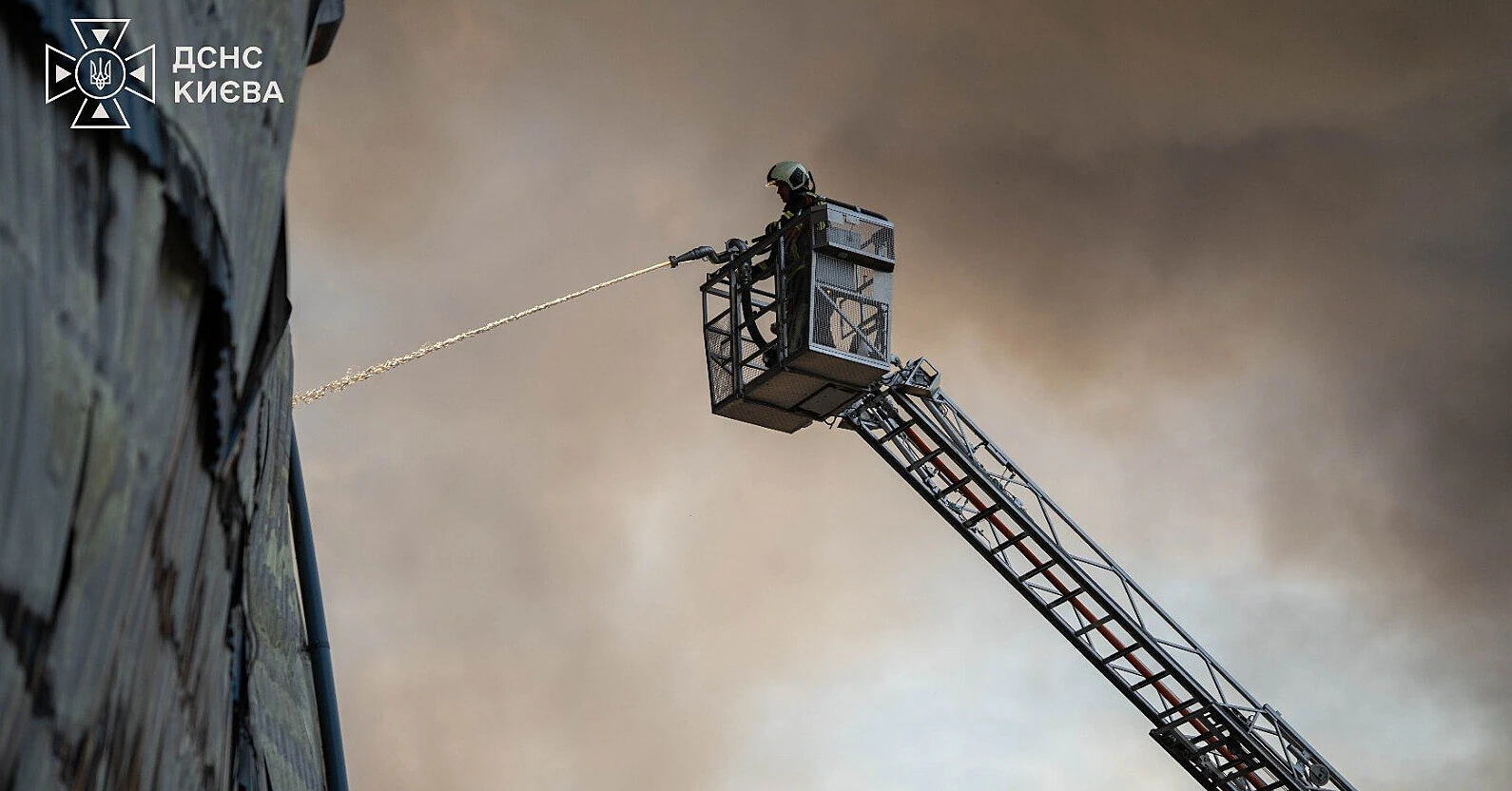
Systemic food shortages are not expected in Ukraine due to Russian strikes on warehouses and logistics centers. Producers and retail chains are already restructuring supplies, and if there is a shortage of certain goods, it could be compensated by imports from Europe, stated presidential advisor on technology Serhiy "Flash" Beskrestnov.
He urged Ukrainians not to give in to rumors and panic amid reports of disruptions in food supplies after Russian attacks.
"Friends, we will not 'die of hunger'. Do not succumb to rumors, disinformation and panic", wrote Beskrestnov.
According to him, producers and sellers are currently rebuilding supply channels. If there is a shortage of certain categories of goods, it can be compensated by European suppliers, according to "Flash".
At the same time, Beskrestnov believes that the goal of Russian strikes is not directly the destruction of food.
"Our enemy does not attack 'food'. He attacks big business that pays taxes and creates jobs", he stated.
"Flash" published his post after The Washington Post's article about the consequences of Russian strikes on Ukraine's trade and food logistics. The publication reported damage to distribution centers of large chains, including "Silpo" and NOVUS, after which some stores experienced disruptions in the supply of fresh vegetables, dairy products and some other goods.
Retail chains warned customers that delivery of some products may take longer. At the same time, it is primarily about temporary logistics disruptions and a reduction in assortment, not about a lack of food in the country.
Minister of Agrarian Policy and Food Taras Vysotskyi previously stated that Russian strikes have destroyed about 90% of logistics capacity of food retail chains. According to him, suppliers are switching to alternative schemes, including direct "wheels-on" deliveries, so there is no threat of famine or systemic physical shortage of products.
At the same time, such restructuring of logistics is more expensive and complex, and therefore individual stores may have a smaller selection of goods or delays in their delivery for some time.
Based on materials from: Serhiy "Flash" Beskrestnov, The Washington Post
