
US preparing weekly secondary sanctions against Iran
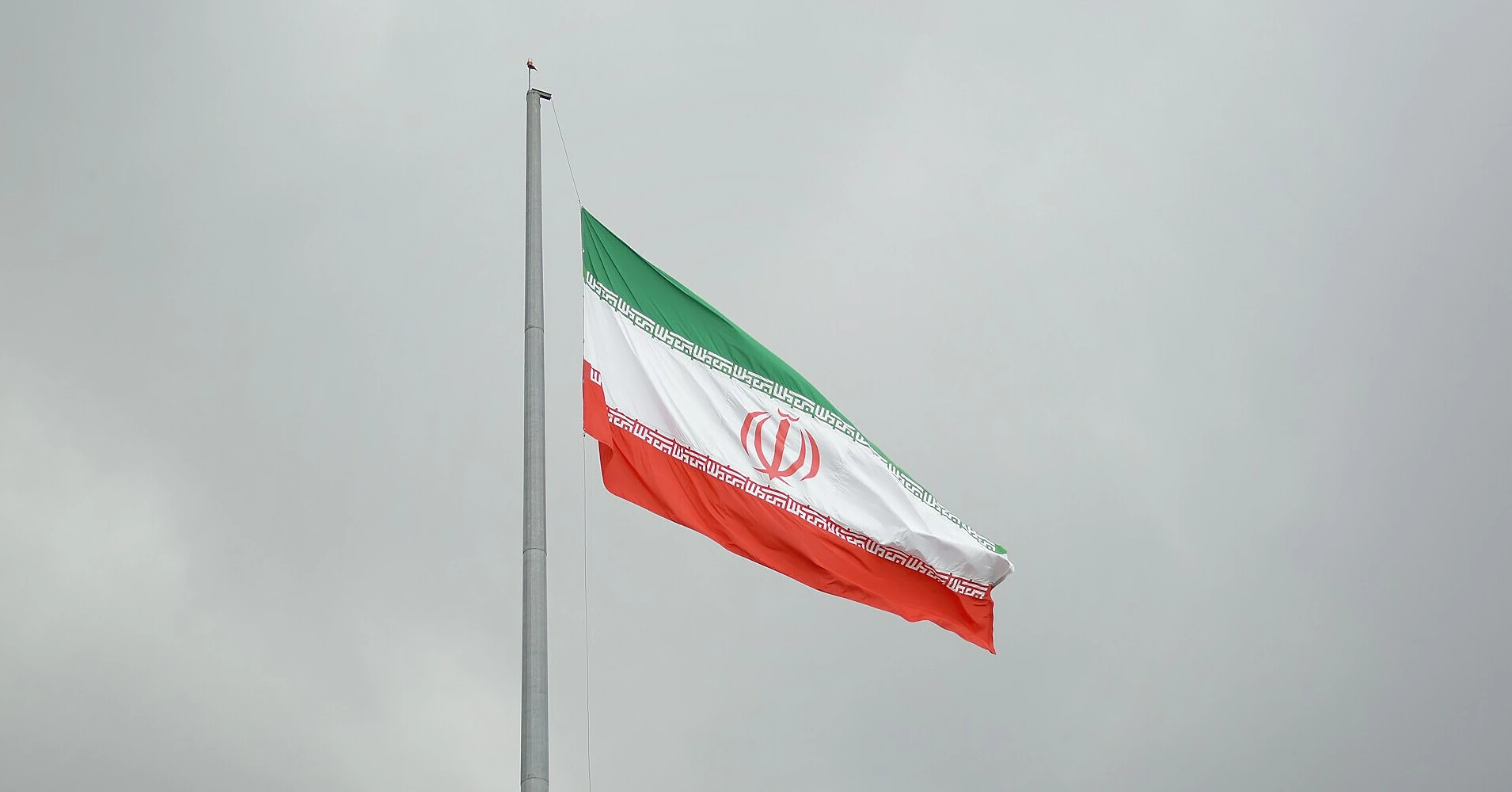
The U.S. Treasury Department is likely to announce new secondary sanctions every week to increase economic pressure on Iran, with Washington focusing on banking institutions in the first phase, U.S. Treasury Secretary Scott Bessent said in an interview with Reuters.
The new wave of restrictions will be a continuation of Operation Economic Outcast, which the U.S. Treasury launched on August 24 under the direction of President Donald Trump. The department called it a systematic campaign aimed at cutting off financial channels through which Iran receives revenues, evades sanctions, and funds the Islamic Revolutionary Guard Corps.
The U.S. Treasury warned governments and companies of other countries that they will be given specified deadlines to stop identified activities related to Iran. If this does not happen, Washington promises to apply secondary sanctions. Not only Iranian entities themselves, but also foreign companies and financial institutions that help facilitate payments or circumvent restrictions are at risk.
Simultaneously, the U.S. significantly expanded the list of sectors, dealings with which may become grounds for sanctions. It now includes digital assets, technology, gold, aviation, and shipping. These areas supplement the existing restrictions on Iran's financial, oil, and petrochemical sectors.
U.S. has already begun pressuring banks
The Treasury took its first major step within the framework of the new campaign on August 28. The U.S. Financial Crimes Enforcement Network (FinCEN) proposed prohibiting Banque Misr UAE from using correspondent accounts at U.S. financial institutions.
According to the U.S. Treasury's assessment, over a period of approximately two and a half years, the bank processed billions of dollars in suspicious transactions linked to the Iranian regime. At the time, Scott Bessent stated that entities helping Tehran would not be able to simultaneously maintain access to the U.S. dollar and the global financial system.
The same day, the U.S. Office of Foreign Assets Control imposed sanctions on the head of the Dubai branch of Iran's Bank Melli, Reza Mohammad Taedi, as well as on Kameng Trading Limited, which U.S. authorities link to money laundering schemes for Iran.
Iran's major trading partners at risk
The Financial Times previously reported that the expansion of secondary sanctions primarily creates risks for countries that maintain significant trade and financial ties with Tehran. Among them are China, the United Arab Emirates, Turkey, and Iraq.
The secondary sanctions mechanism allows the U.S. to punish companies from third countries even when they are not American. One of the strictest tools is the restriction or complete loss of access to dollar settlements and the U.S. financial system.
During the launch of Operation Economic Outcast, the Treasury already imposed sanctions on nearly 60 companies, individuals, and vessels in various countries linked, according to Washington, to Iranian oil revenues, missile and nuclear programs, cyber operations, and circumvention of international restrictions.
Sources: Reuters, U.S. Department of the Treasury, Financial Times
