
Iceland rejected negotiations on EU accession in a referendum does not
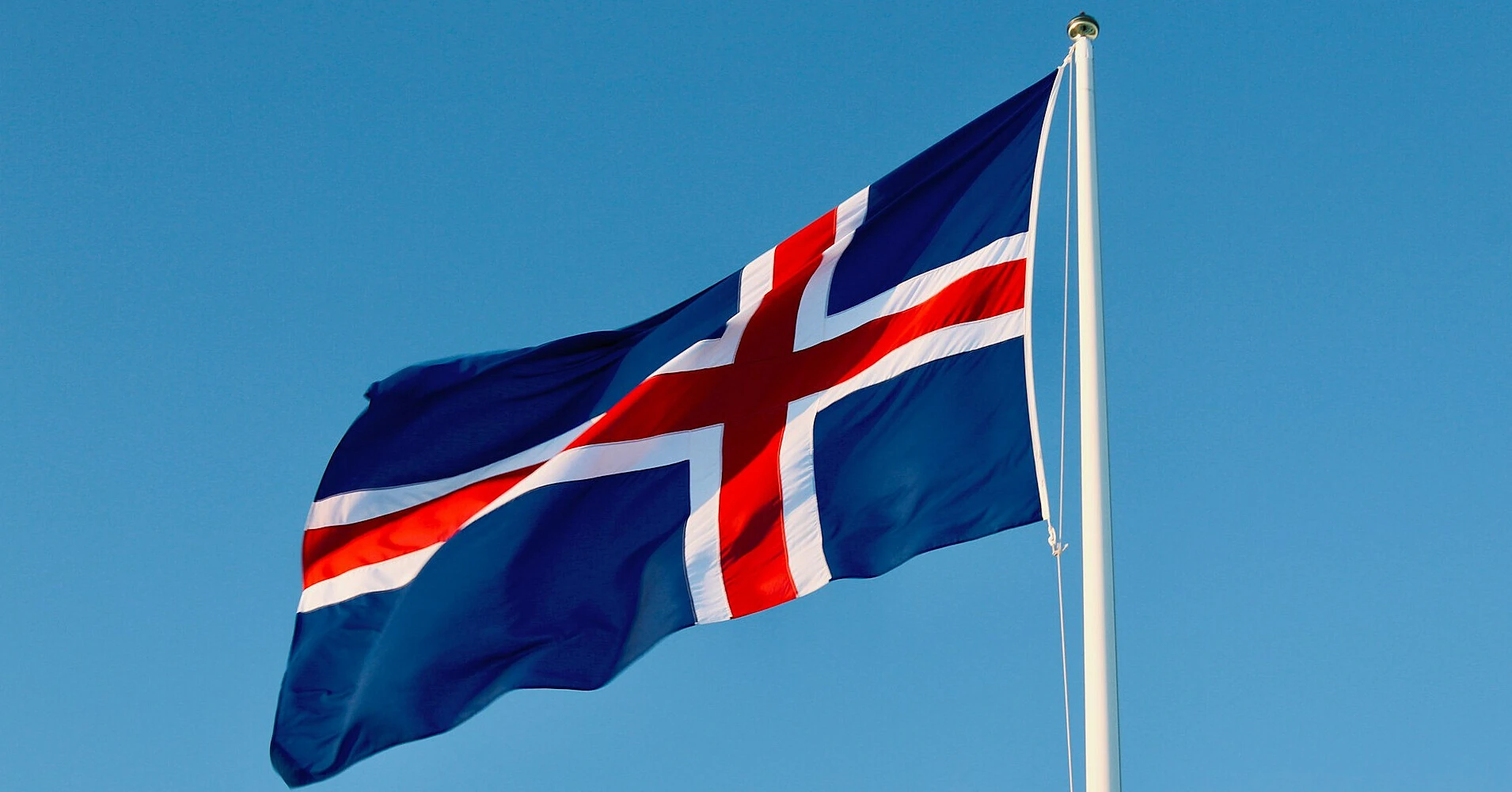
Residents of Iceland at a nationwide referendum voted against the resumption of negotiations on the country's accession to the European Union. 52.8% of voters spoke against the resumption of the negotiation process, 47.2% - for it.
Voter turnout was 82.5%. According to Icelandic public broadcaster RÚV, this is one of the highest voter participation rates in the country in recent years.
Support for returning to negotiations was highest in Reykjavik, where about 55-58% of voters voted in favor, depending on the district. At the same time, in rural areas of the country, about 60% of the voting participants were against.
The Prime Minister of Iceland Kristrún Frostadóttir, who supported the resumption of negotiations, stated that the government will respect the result of the referendum. The authorities also intend to maintain the current model of close cooperation with the European Union through the European Economic Area.
Iceland has already conducted negotiations with the EU
Iceland submitted an application to join the European Union in July 2009 after a major financial crisis. Negotiations began in 2010, but after a change of government in 2013 they were suspended.
At that time, the parties had opened 27 of the 33 main negotiation chapters, and 11 of them were provisionally closed. At the same time, negotiations on a number of the most sensitive areas for Iceland, including fisheries, never reached an active phase.
In 2015, the Icelandic government asked the European Union to no longer consider the country as a candidate for accession. However, according to the Icelandic Ministry of Foreign Affairs, the membership application itself, submitted in 2009, was not formally withdrawn.
Fisheries remain the main issue
One of the key reasons for the skeptical attitude towards EU membership remains Iceland's desire to maintain independent control over fisheries resources. The fishing industry is one of the country's most important export sectors, so the possible application of the EU's common fisheries policy has traditionally caused significant disputes.
At the same time, Iceland is already largely integrated into the European economy. The country belongs to the European Economic Area, which ensures its access to the EU's single market, and is also a participant in the Schengen Area and the European Free Trade Association.
The referendum did not concern Iceland's direct accession to the EU. If supporters of European integration had won, the country would only have resumed negotiations, after the completion of which the final accession agreement would have been put to a separate vote.
Source: RÚV, RÚV, Financial Times
