
USA and several European countries warned citizens against traveling to Ukraine
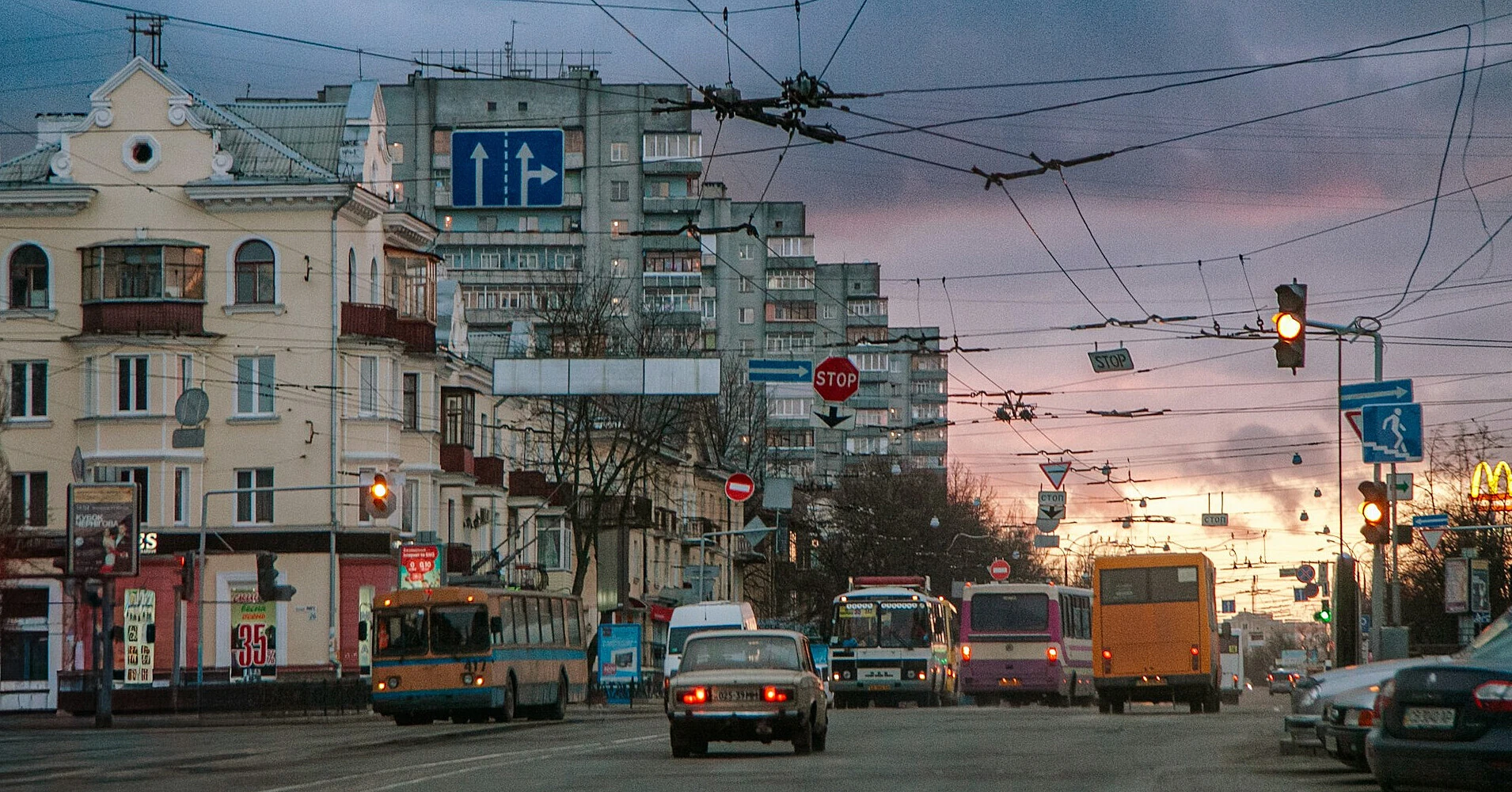
USA, Great Britain, the Netherlands, Italy and Germany at the end of August maintain strict recommendations for their citizens regarding travel to Ukraine. Among the main risks, governments cite intensified Russian missile and drone attacks, limited consular assistance, and likely disruptions to electricity, water and heating in winter.
Recommendations vary by country. The Netherlands holds the strictest position among European states: the entire territory of Ukraine has a "red" danger level, and citizens already in the country are advised to leave if it can be done safely.
The Dutch Foreign Ministry explains this by daily Russian air attacks and the deteriorating security situation. The ministry separately warns that the Dutch embassy will not be able to guarantee assistance to citizens in an emergency.
Britain warned about winter risks
The UK Foreign, Commonwealth & Development Office recommends against all travel to most of Ukraine. For Zakarpattia, Ivano-Frankivsk, Ternopil, Chernivtsi and Lviv regions, a softer wording applies - do not travel unless essential.
British citizens in regions where the ministry advises against all travel are urged to leave if safe to do so. The ministry emphasizes that the British government cannot organize evacuation from Ukraine, and the embassy in Kyiv does not provide in-person consular assistance.
London pays special attention to the state of Ukraine's energy system. Russian attacks can cause emergency and planned power outages without much warning. Lack of electricity, in turn, can affect central heating and water supply.
The British Foreign Office reminds that in winter temperatures in Ukraine can drop below -20C, so citizens are advised to have supplies of water and food, charged means of communication, warm clothing, and be prepared for disruptions to basic services.
FCDO also warns that traveling against official advice may affect travel insurance coverage.
Italy and Germany warn of strikes across the country
The Italian Foreign Ministry categorically advises its citizens not to travel to Ukraine regardless of purpose. The recommendations emphasize the threat of Russian air strikes, which extends to the entire territory of the country, not only front-line regions.
The German Federal Foreign Office also maintains a warning against travel to Ukraine. The ministry notes that Russian missile, cruise and drone attacks occur almost daily and can affect any part of the country.
German recommendations separately highlight the risk of strikes on energy and transport infrastructure. Due to damage to the energy system, disruptions to electricity, heat, gas and water in certain areas can last several days, and in some cases longer.
USA kept highest danger level for Ukraine
The US Department of State updated its recommendations for Ukraine on August 28, maintaining the highest warning level – Level 4: Do Not Travel. Americans are advised not to travel to Ukraine for any purpose due to the war.
Washington emphasizes that the threat of Russian missile and drone attacks also exists in regions far from the front, and the situation can change very quickly. US citizens in Ukraine should be ready to promptly leave a dangerous area and not rely on evacuation organized by the US government.
At the same time, the State Department strengthened restrictions for its own personnel: US government employees need special permission to travel outside Kyiv, and their family members are not allowed to join them in Ukraine.
The August 28 update also changed information under the unrest indicator – US citizens are advised to avoid demonstrations and large gatherings. Meanwhile, the State Department has not reported specific unrest or a separate new protest threat, and the overall warning level for Ukraine has not changed.
Thus, this is not a single decision by "Europe" or the West regarding the evacuation of foreigners from Ukraine. Each state issues recommendations for its own citizens, but at the end of August the same risks are repeated: Russian strikes across the entire territory of the country, limited consular assistance, and the danger of serious disruptions in critical infrastructure.
Based on materials: US Department of State, Ministry of Foreign Affairs of the Netherlands, Ministry of Foreign Affairs of Italy
