
EU to restrict imports of meat and other products from Brazil: why
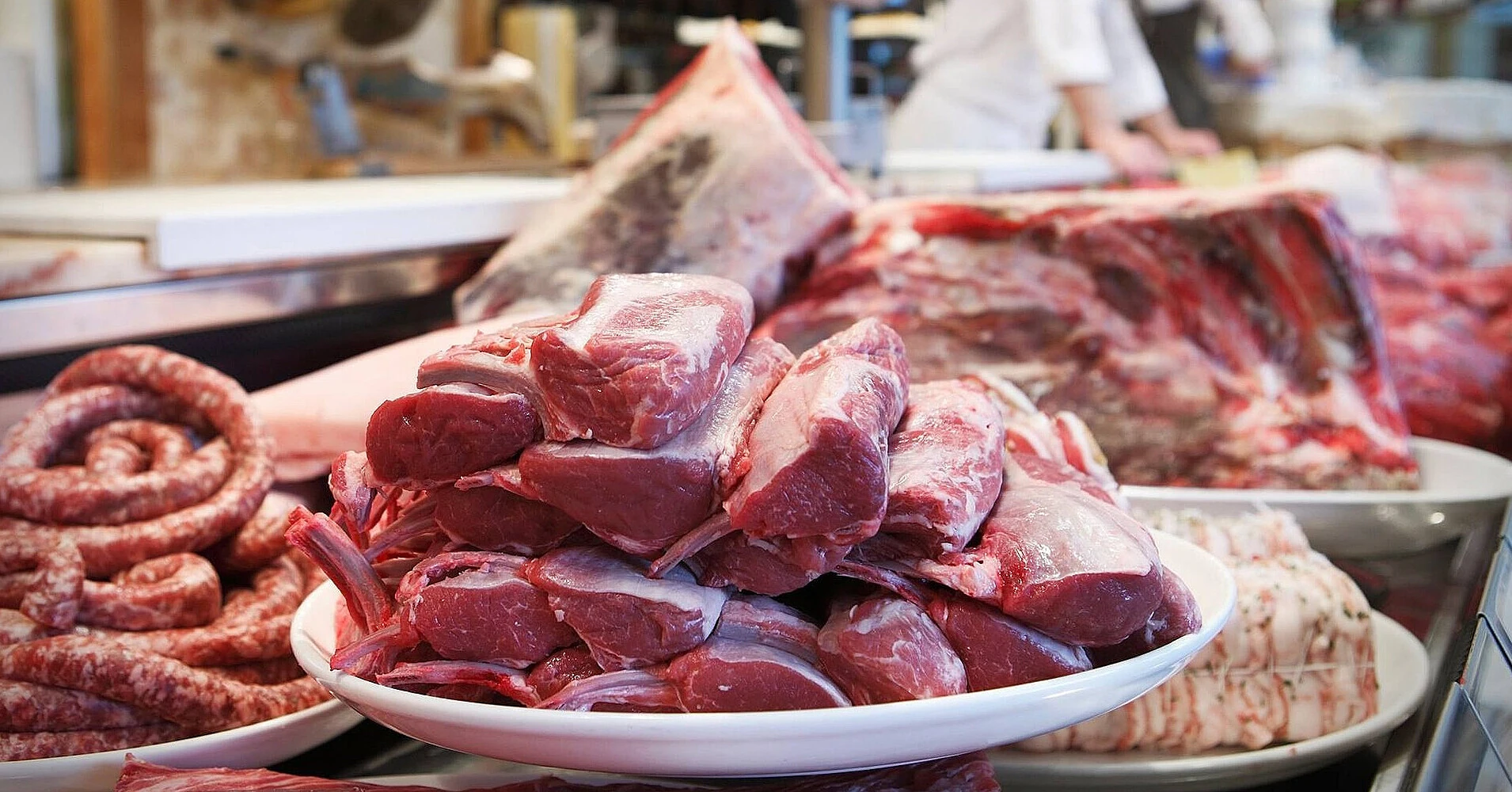
The European Union, starting from September 3, 2026, will stop allowing a number of animal products from Brazil onto its market. The restrictions will affect, among others, beef and poultry meat and are linked to new European requirements on the use of antibiotics and other antimicrobials in livestock farming.
The European Commission removed Brazil from the list of countries allowed to supply the EU with products in six categories: cattle, horses, poultry, aquaculture products, honey and casings. The new rules start to apply on September 3.
Thus, the restrictions will not affect all Brazilian food exports, but certain categories of animals and animal products for which the country has not received the necessary EU approval.
The reason is antibiotic requirements
The European Commission explained the decision by the fact that it did not receive sufficient guarantees from the Brazilian authorities regarding compliance with the new European requirements. These include a ban on the use of antimicrobials to accelerate animal growth or increase productivity, as well as drugs reserved in the EU for treating certain infections in humans.
In May, the European Commission said it was actively discussing this issue with the Brazilian authorities. However, at that time Brussels had no confirmation that the necessary measures would be fully implemented by the set deadline.
To allow products after the new rules come into force, the exporting country must provide the EU with evidence of compliance with the relevant requirements. Authorized countries and specific product categories are listed in a special European Commission list.
Brazil is a major food supplier to Europe
The restriction could be sensitive for the Brazilian agricultural sector. In 2025, Brazil's agricultural exports to the European Union reached $21.8 billion, up 12% over the year. Among the goods whose supplies grew noticeably was fresh beef.
Overall, the European Union remains Brazil's second-largest trading partner after China. In 2025, trade turnover between the parties exceeded €87 billion, and EU imports from Brazil amounted to more than €44 billion.
The restrictions are not part of the EU's trade policy regarding the Mercosur agreement. The European Commission stressed that these are sanitary requirements that apply equally to countries wishing to supply animal products to the European market.
Based on materials from: Le Monde, EUR-Lex, European Commission
