
France introduced additional fees for Temu, AliExpress and Shein
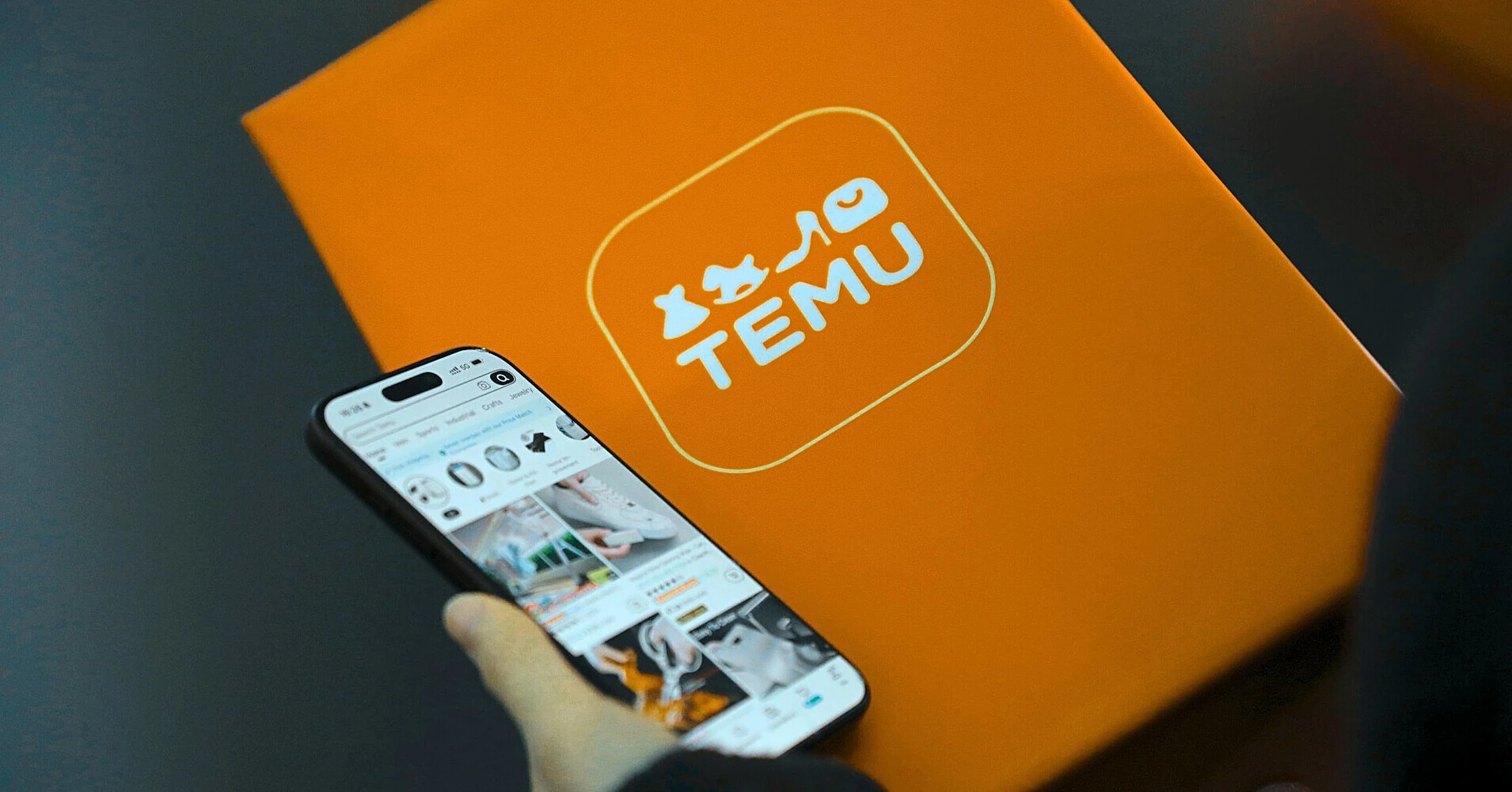
In France, a special environmental malus for ultra-fast fashion goods took effect on September 1. The new mechanism is aimed primarily at platforms like Shein, Temu and AliExpress: for certain types of clothing, the additional payment in 2026 could reach 50% of the item's value, but no more than a set amount for the specific category.
The relevant decision was published in France's official journal in late August after the adoption of a law to reduce the environmental impact of the textile industry.
The French government calls the country the first in the world to introduce such a mechanism for ultra-fast fashion.
How much will have to be paid
The malus amount depends on the type of item. In 2026-2027, the maximum payments will be, for example, €0.50 for a pair of socks or underwear, €2 for a T-shirt or polo shirt, €3 for a skirt or swimsuit, €6 for a shirt or sweater, €7 for a dress or trousers, €9 for jeans and €12 for a coat or jacket.
At the same time, the payment cannot exceed 50% of the price of a specific item. That means for very cheap clothing, the actual amount will be less than the maximum malus provided for the relevant category.
Going forward, the penalty coefficients will increase. For example, for a coat or jacket, the maximum malus will rise from €12 in 2026-2027 to €14.50 in 2028, €17 in 2029 and €19.50 from 2030. For jeans, it should increase from €9 to €17.25.
Not all cheap clothing will fall under the new rules
The mechanism is not formally tied to the name of a specific brand or country of origin. It applies to products of companies whose business model meets defined ultra-fast fashion criteria.
For this, the French authorities consider two indicators: the breadth of the company's assortment and the extent to which its business model encourages repair and long-term use of clothes. Each of these criteria has equal weight in calculating the special coefficient.
Exactly this construction makes it possible to separate ultra-fast fashion from traditional fast fashion chains. French media note that the new rules primarily affect Shein, Temu and AliExpress, while chains such as Zara, H&M, Primark or Uniqlo do not fall under this mechanism under the current criteria.
Not a separate markup at checkout
The new malus is legally not a tax automatically added to the price for the buyer, but an increased environmental contribution paid by producers and sellers within the French extended producer responsibility system.
Companies theoretically could absorb these costs or partially pass them on to buyers through price increases. Therefore, a direct price increase of each item by the malus amount is not an automatic consequence of the new rules.
The French authorities explain the innovation by the need to reduce volumes of ultra-cheap clothing with a short life cycle. According to the government's assessment, the ultra-fast fashion model encourages constant wardrobe updates, increases the amount of textile waste, and creates additional pressure on traditional clothing manufacturers and sellers.
The law also provides for other restrictions on ultra-fast fashion. In particular, from 2027, a ban on advertising such goods, including their promotion by influencers, is to take effect in France.
Based on materials from: Ministry for Ecological Transition of France, Légifrance, Le Monde
