
Iran ignored Trump's warning and launched retaliatory strikes: details of the attacks
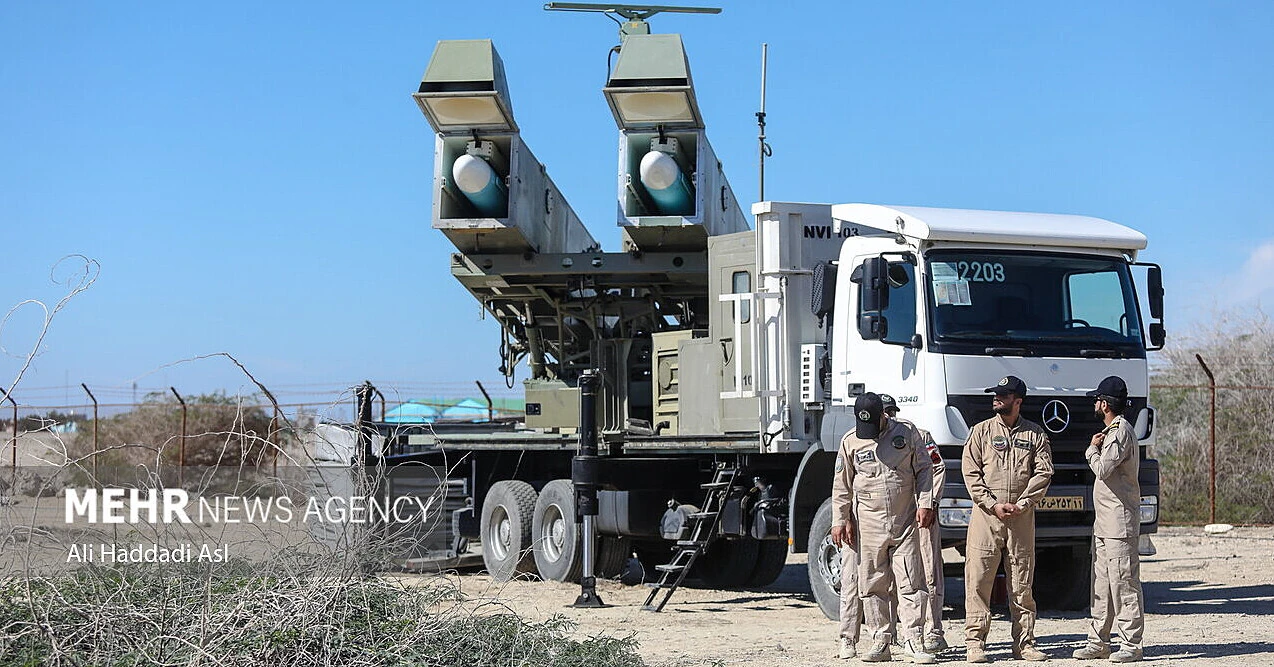
Iran launched missile and drone strikes on targets in Jordan, Bahrain, and Kuwait in response to a new US attack. Tehran escalated despite US President Donald Trump's warning that if it responded, US strikes would be significantly stronger.
Iranian military announced the start of a "devastating" response and said they are attacking American military facilities in the region.
In Jordan, air defense systems intercepted 10 of 13 ballistic missiles launched from Iranian territory. Three others fell in remote areas far from populated areas. According to Jordanian authorities, there are no deaths or injuries.
Bahrain also deployed air defense against Iranian drones. The Iranian side stated that among its targets were American facilities at Sheikh Isa Air Base. In Kuwait, air defense forces intercepted missiles and drones approaching the country's territory.
The strikes were a response to a new wave of American attacks on Iran, about which Kurs Ukrainy wrote earlier. The US struck facilities of the Islamic Revolutionary Guard Corps, including air defense systems, radars, naval infrastructure, mining equipment, and communication facilities.
Even before Iran's response, Trump warned Tehran that any new attack would trigger a US strike of a "much stronger" level. He also stated that Washington has not yet used the most powerful of the prepared attack options. Iran ignored this warning.
Tehran stated that the continuation of American strikes will lead to an increasingly large-scale response. Thus, after several weeks of relative calm, the exchange of strikes between the US and Iran has once again entered a phase of direct military escalation.
The escalation has already affected energy markets: after reports of new strikes, oil futures rose to $96 per barrel. At the center of the confrontation remains the Strait of Hormuz—one of the key routes for global oil exports.
Based on materials from: CNN
