
Gas in Europe rises to three-year high
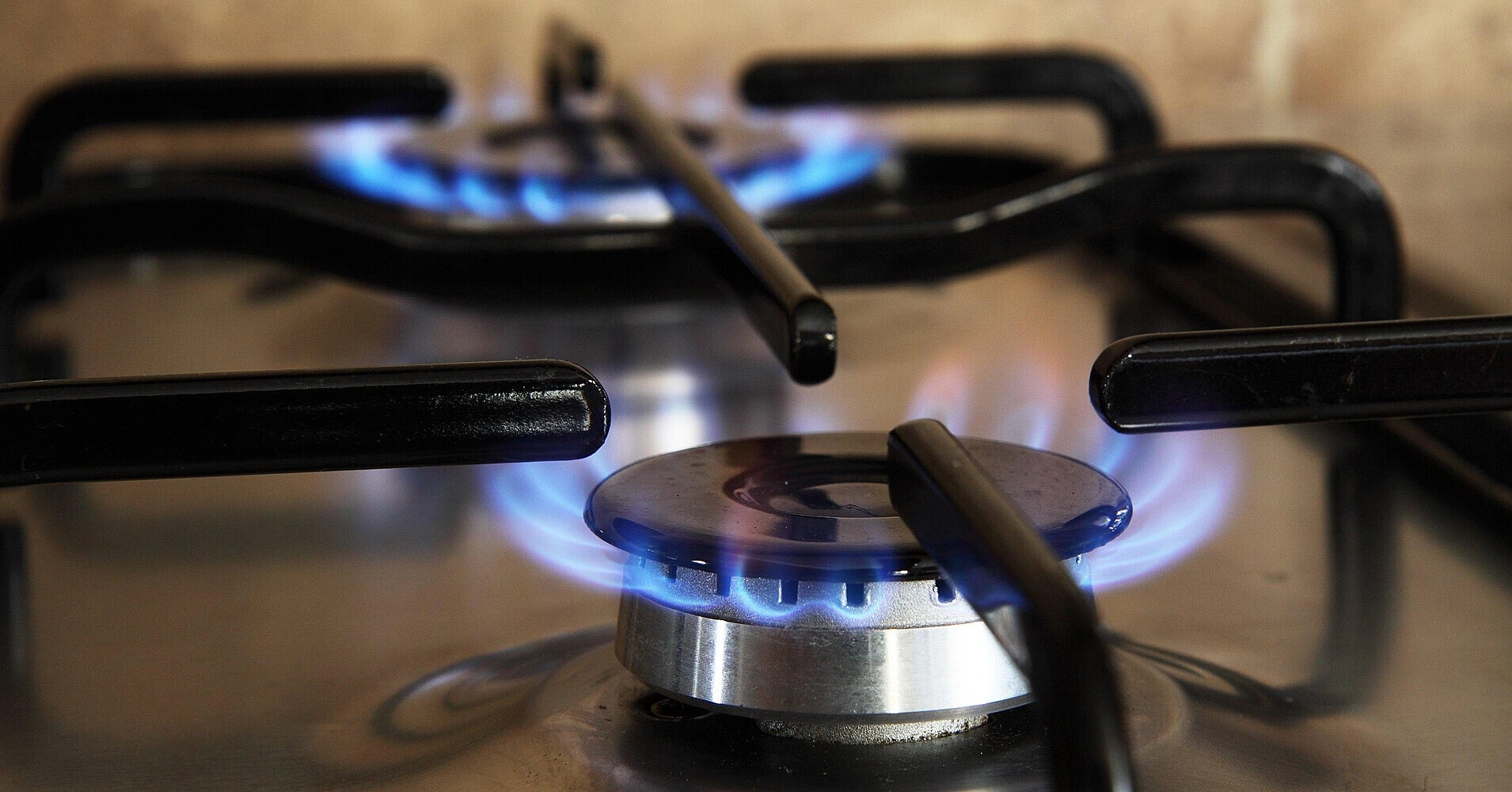
The price of natural gas in Europe rose on September 2 to its highest level in the past three years. Futures on the Dutch TTF hub exceeded €75 per MWh during trading amid a new escalation of the war between the US and Iran and concerns over LNG supplies ahead of the heating season.
According to the Financial Times, European gas reached its highest level since 2023. On July 20, TTF quotes rose to €60 per MWh for the first time in months. Thus, in less than a month and a half, gas has risen by about a quarter more.
The Wall Street Journal also notes a sharp market increase: the nearest TTF futures traded around €73.85 per MWh, up more than 2% on the day. Since the beginning of the current growth period, quotes have increased by about 25%.
The market again fears LNG disruptions
The main reason for the new jump was the resumption of large-scale hostilities between the US and Iran. The market fears that the conflict will again restrict the movement of energy cargoes through the Strait of Hormuz—one of the key routes for global supplies of liquefied natural gas.
The situation with Qatar is particularly important, as it is one of the largest LNG suppliers in the world. A significant part of its exports passes through Hormuz. Restriction of supplies from the Persian Gulf forces European buyers to compete more actively for gas cargoes from the US and other regions.
At current prices, it is more profitable to supply LNG to Europe than to Asia, taking into account transport costs. However, as winter approaches, competition between the two regions may intensify, especially if Middle Eastern supplies do not fully recover.
EU storage facilities only 63% full
Additional pressure on prices comes from low inventory levels. The European Union's gas storage facilities are now about 63% full. For this time of year, the indicator is considered low: the average level in previous years was closer to 80%.
Europe emerged from last winter with low stocks, after which high prices in spring and summer forced many companies to postpone purchases in anticipation of lower quotes. However, the protracted conflict in the Middle East has made this strategy increasingly risky.
The most difficult situation is in Germany, where the filling of storage facilities is proceeding slower than the required pace. Italy, on the contrary, has already managed to meet its set interim goal.
If LNG supplies remain limited, Europe will have to buy gas more actively on the world market immediately before the heating season, which may further support high prices.
Energy resources increase inflationary pressure
The rise in gas occurs simultaneously with a new jump in oil prices. Brent on September 2 at one point rose above $97 per barrel. Together, this strengthens fears that expensive energy resources will again accelerate inflation in Europe.
In August, inflation in the eurozone reached 3.3%, while energy prices rose 14.3% year-on-year. Further gas price increases may raise costs for industry and energy companies and complicate the reduction of inflation.
For Ukraine, the high TTF cost also creates a risk of higher prices for imported gas and fuel purchases on the European market before winter. The stronger the competition between the EU and Asia for available LNG cargoes, the higher European wholesale quotes may remain.
Based on materials from: Financial Times, The Wall Street Journal, Gas Infrastructure Europe
