
Estonian Defense Minister resigns after scandal with shells for Ukraine
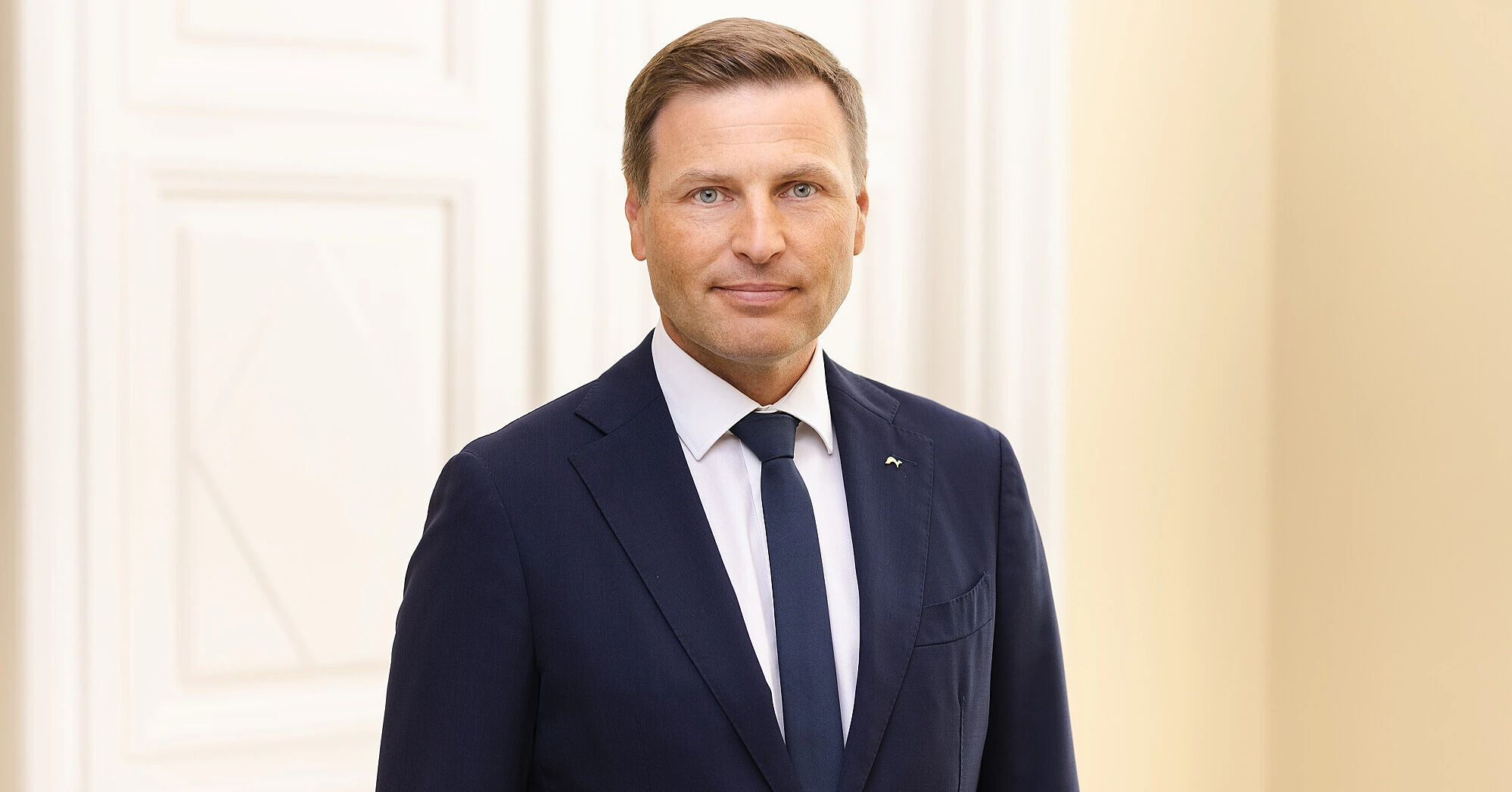
Estonian Defense Minister Hanno Pevkur announced his resignation amid a defense procurement scandal, one of the key episodes of which was a deal of about €70 million for artillery shells for Ukraine. Estonia transferred advance payments to companies without experience in supplying such munitions, but the contract was not properly fulfilled and the dispute reached court.
Pevkur said that he takes political responsibility for the situation in the defense sector, although he does not consider himself personally responsible for specific decisions during the conclusion of contracts. He said that Prime Minister Kristen Mihal will now have to find a new head of the Ministry of Defense.
"The minister does not count socks and ammunition and does not conduct contract negotiations", — Pevkur explained.
At the same time, according to him, the conclusions of the National Audit Office regarding the work of the Defense Forces and the State Defense Investment Center (RKIK) are serious enough to raise the question of political responsibility of the head of the entire defense sector.
The scandal intensified after the publication by Eesti Ekspress about the procurement of artillery munitions for Ukraine. In 2024, RKIK concluded contracts with the Italy-registered company Datasel S.R.L., whose owner is the Indian Neco Defence Munitions. According to Estonian media, before the deal these companies had no experience in producing or selling artillery shells.
The first contract was concluded in August 2024, after which Estonia transferred €15 million in advance. In October, another agreement was signed and €10 million was paid, and at the end of the year — two more contracts. The total amount of advance payments reached about €70 million. Funds from the European Peace Facility were used for the purchase, and the munitions were intended for Ukraine.
The first batch of shells was expected back in November 2024, but the supplier reported delays. Despite problems with the fulfillment of the first agreement, contracts continued to be signed with the company and advance payments were made. Ultimately, Estonia turned to arbitration due to unfulfilled obligations.
The current head of RKIK, Elmar Vaher, said that under the current management such a contract would not have been signed. At the same time, the former head of the center, Magnus-Valdemar Saar, denies that decisions were made by him alone. According to him, the leadership of the Ministry of Defense received materials regarding the deals, and major decisions were not made without his knowledge.
Pevkur himself admitted that the contracts were presented to him, but said that he did not personally read them. According to him, the minister's task was a fundamental decision to support Ukraine, while the selection of suppliers, negotiations and preparation of contracts belonged to the responsibility of RKIK.
The situation with the procurement of shells became part of a broader scandal after an audit of the defense sector. The Estonian National Audit Office found serious problems with contract management, advance payments, accounting of received property and inventory control. Auditors, in particular, could not confirm the correctness of accounting for defense stocks worth €1.2 billion, and the Defense Forces could not properly explain adjustments to the value of stocks by almost €100 million.
After the publication of the audit results, the Estonian Prosecutor's Office launched criminal proceedings regarding the circumstances revealed during inspections of the defense sector this and last year. This investigation concerns broader problems established by auditors and does not mean bringing charges personally against Pevkur.
Hanno Pevkur has headed the Estonian Ministry of Defense since 2022. He stressed that his resignation is precisely political responsibility for the activities of the sphere under his authority.
Based on materials from: ERR, ERR, Eesti Ekspress
