
Oil prices retreat from highs after Trump's remarks on Iran
Oil prices declined on the morning of September 3 after three days of rapid growth. The market reacted to US President Donald Trump's statement that a new wave of American strikes on Iran is likely not to be prolonged, as well as to signals about significant volumes of oil shipments through the Strait of Hormuz.
Brent futures traded near $95 per barrel after rising more than 8% over the previous three sessions. American WTI dropped below $91 per barrel.
While speaking with journalists, Trump was asked how long the new American campaign of strikes on Iran might last. The President replied that, in his opinion, "not too long." At the same time, he added that the US is ready to launch new strikes if necessary.
Expectations of a possible prolonged escalation between the US and Iran were one of the main factors in the previous oil rally. American forces resumed strikes after several weeks of relative calm, and Tehran responded with drone and missile attacks on American bases in the Middle East.
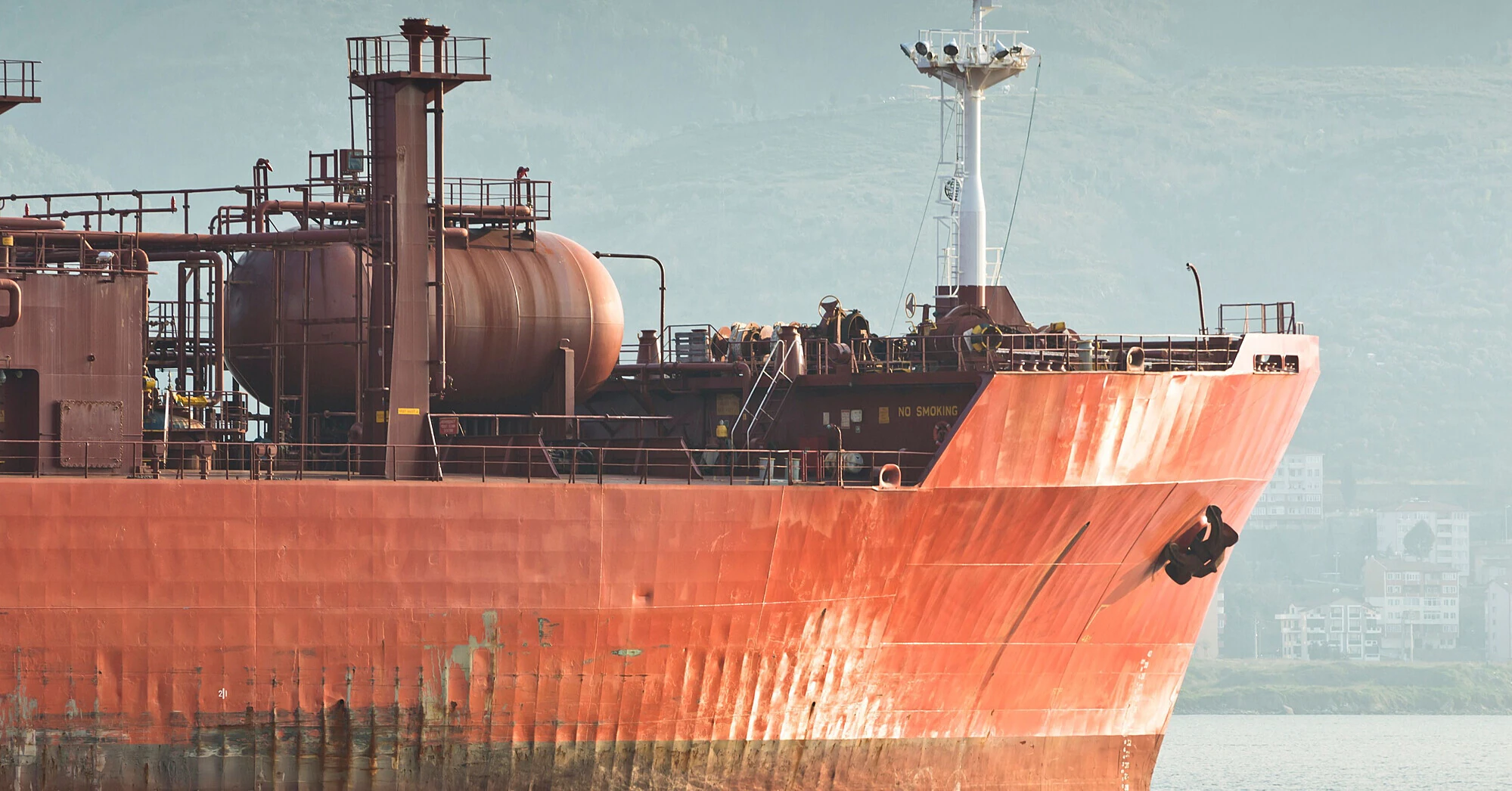
A key risk for the oil market remains the Strait of Hormuz, through which a significant portion of maritime oil shipments from the Persian Gulf countries passes.
According to Bloomberg, the American military escorted 40 vessels through the strait on Tuesday, carrying a total of about 18 million barrels of oil. The data on significant shipment volumes eased investors' concerns about an immediate large-scale supply cut.
Additionally, producers in the Middle East are adapting to increased risks in the region. MarketWatch previously reported on more active use of ship-to-ship transfers of oil: tankers deliver crude through the most dangerous part of the Strait of Hormuz to the Gulf of Oman, where other vessels pick it up.
According to analysts cited by the publication, exports of crude oil from the region have recently risen to approximately 15-16 million barrels per day. This is still below the pre-war level of about 21 million barrels per day, but significantly above the lows recorded after the start of the conflict.
At the same time, the risk of another jump in prices remains. Analysts note that another escalation or significant disruption of shipping through the Strait of Hormuz would quickly return a geopolitical risk premium to the market.
The day before, oil was rising for a third consecutive session due to the new exchange of strikes between the US and Iran and concerns about supplies through the strait. Over three trading days, WTI gained about 9%, while Brent gained over 8%.
Yet even after the current decline, prices remain near the highest levels since late July.
Based on materials from: Bloomberg, MarketWatch
