
Trains in Ukraine delayed by up to eight hours due to Russian attacks
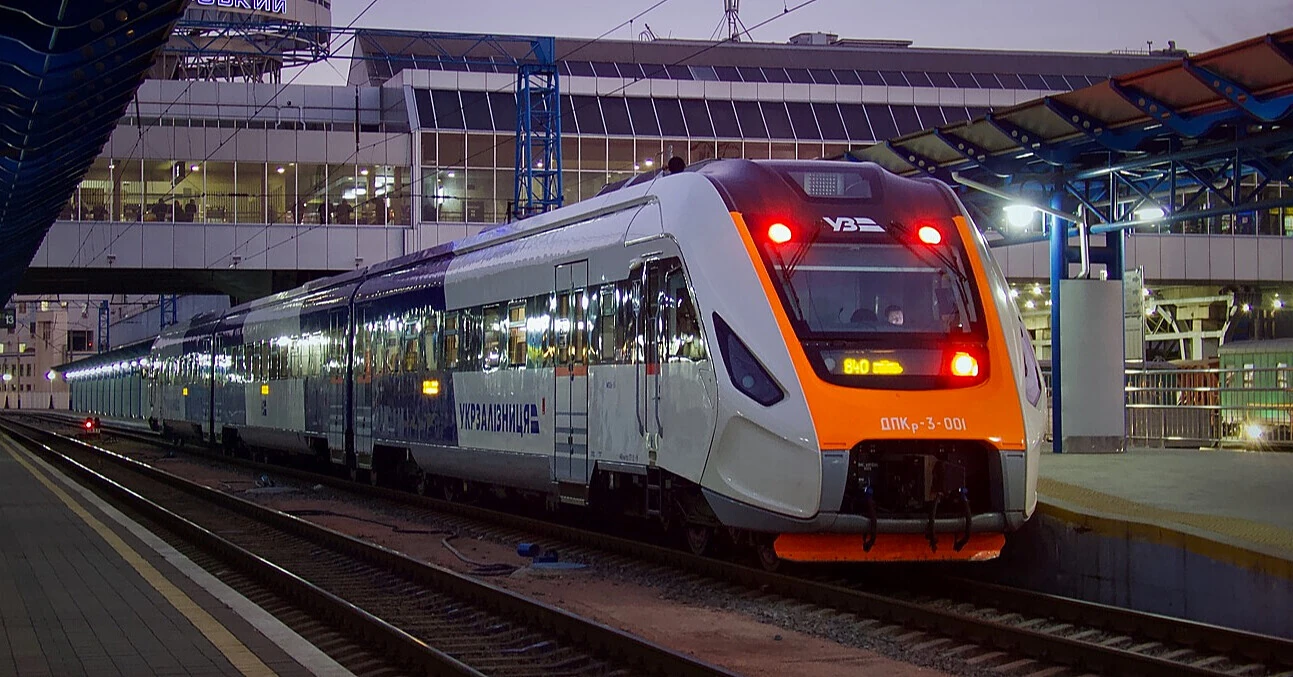
Recently, the duration of passenger train delays in Ukraine has noticeably increased due to massive Russian attacks, prolonged air raid alerts, and related security restrictions. As of the morning of September 3, some trains were running five to eight hours behind schedule.
According to Ukrzaliznytsia's movement monitoring service, as of 11:36, more than 40 trains were on the delay list.
Train No. 143/144 Sumy – Rakhiv was running the most behind schedule – by 8 hours 4 minutes.
Trains No. 3/4 Dnipro – Uzhhorod and No. 31/32 Zaporizhzhia – Przemyśl were delayed by 6 hours 6 minutes. Train No. 39/40 Zaporizhzhia – Solotvyno was behind by 5 hours 29 minutes, and No. 121/122 Kyiv – Mykolaiv by 5 hours 15 minutes.
Several other trains from Dnipro, Zaporizhzhia, Kryvyi Rih, and other cities were delayed by approximately three to five hours.
Ukrzaliznytsia explains that the estimated delay time may change during the journey. In particular, the delay increases during air raid alerts, passenger evacuations, and the need to divert trains along alternative routes.
Long delays have recently become a more systemic problem for passenger transportation. At the end of August, Ukrzaliznytsia already reported widespread train delays across the country after prolonged air raid alerts and Russian shelling. The company then warned that the consequences would affect the schedule for at least the next 24 hours.
The cause is not only direct damage to railway infrastructure. During an air threat, traffic may be halted on certain sections, passengers and staff are evacuated to shelters, and after strikes trains have to be switched to reserve traction or rerouted. Because of long routes, the delay of one service may also carry over to its return service.
For trains that are delayed by five hours or more due to Russian attacks, Ukrzaliznytsia, together with World Central Kitchen, organizes meals for passengers and railway workers at intermediate stations.
The company advises checking the current delay time before traveling, monitoring push notifications in the app, and arriving at the station early, as the delay from the schedule can both increase and decrease.
Based on materials from: Ukrzaliznytsia
