
Bulgaria made an exception to sanctions against Russia for nuclear power plant
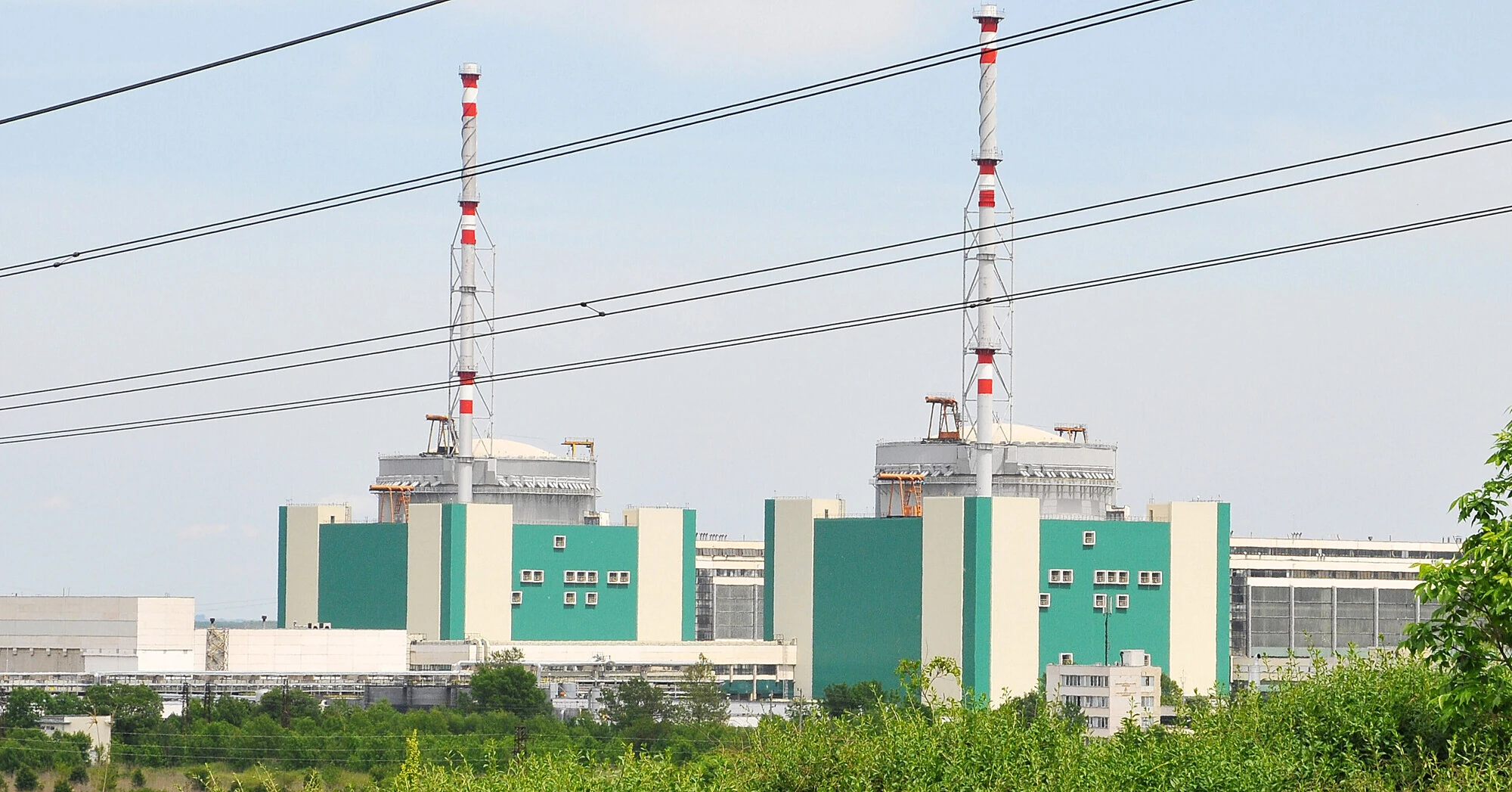
The Bulgarian government has allowed the Kozloduy Nuclear Power Plant to import iron and steel products from Russia that fall under EU sanctions. The exception is necessary to fulfill the plant's current contract and will remain in effect until the end of that agreement.
The Bulgarian Council of Ministers adopted the relevant decision on September 2.
It concerns a derogation from the restrictions provided for by EU Regulation No 833/2014, imposed in response to Russia's actions against Ukraine. The list of iron and steel products allowed for import is set out in an annex to the government decision.
Sofia explained the need for the exception by the specifics of Kozloduy's equipment. A significant part of the plant's systems and equipment is of Russian origin, so certain goods necessary for the reliable and safe operation of units 5 and 6 have to be purchased from Russian suppliers.
Bulgarian authorities emphasize that regular deliveries of parts and components from the manufacturers of the equipment installed at the NPP are necessary for nuclear safety and accident-free electricity generation.
Kozloduy is Bulgaria's only operating nuclear power plant and the country's largest electricity producer. It accounts for more than a third of national electricity generation. The plant operates two VVER-1000 reactors of Soviet design.
This is not the first sanctions exception for Kozloduy in 2026. In June, the Bulgarian government already allowed the plant to purchase iron and steel products from Russia needed for repair programs and current contracts.
Another package of derogations was approved in March. At that time, the authorities allowed deliveries of original Russian parts under ten procurement procedures, and for certain contracts also the provision of necessary technical assistance.
Thus, Bulgaria continues to gradually reduce its energy dependence on Russia, but retains the possibility of targeted purchases of Russian equipment and components when the authorities consider them necessary for the safe operation of the existing nuclear power units.
Source: Government of Bulgaria, BTA
