
Poland proposed that the EU tighten visa restrictions for Russians
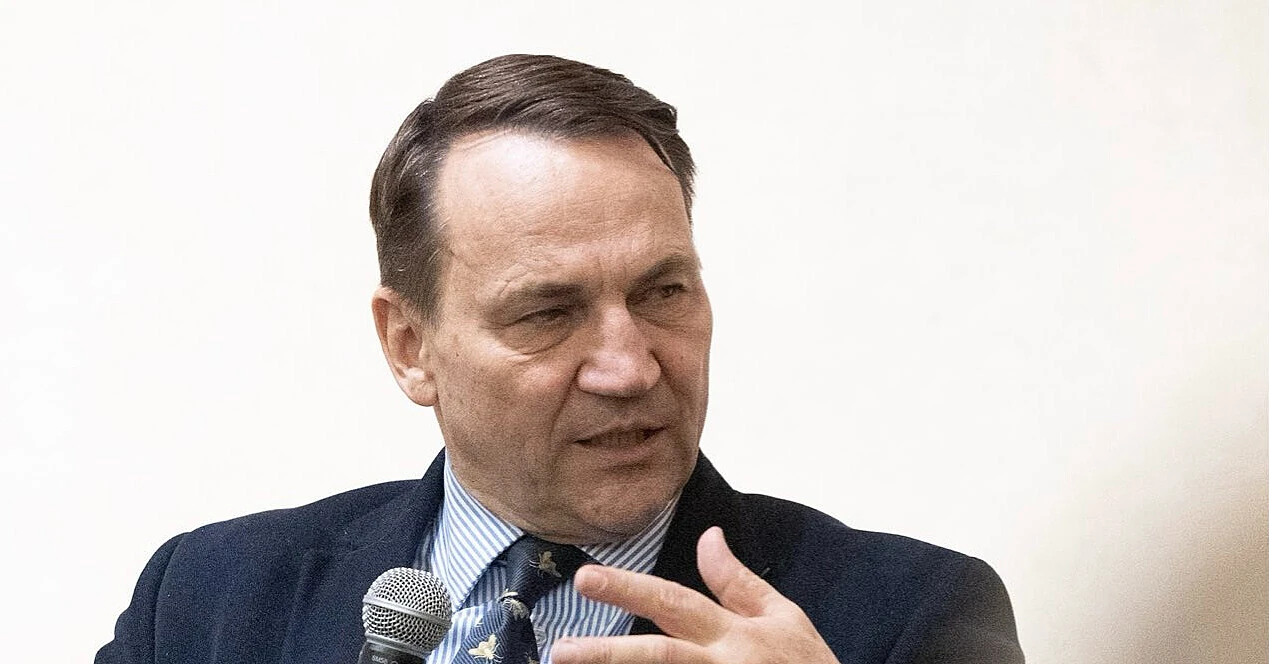
Poland has proposed that the countries of the European Union tighten restrictions on issuing Schengen visas to Russian citizens, introduce stricter document requirements upon entry, and limit the movement of Russian diplomats within EU territory. Warsaw also advocates for reducing the size of the Russian diplomatic corps in the bloc's countries.
The relevant proposals were put forward by Polish Foreign Minister Radosław Sikorski after a meeting with German Foreign Minister Johann Wadephul and French Foreign Minister Jean-Noël Barrot in Weimar.
According to Sikorski, Russian diplomats should only be allowed to travel within the territory of the states where they are accredited. In this way, Warsaw wants to limit the ability of employees of Russian diplomatic missions to freely enjoy the benefits of the Schengen area for travel between EU countries.
Separately, the Polish minister proposed reducing the issuance of Schengen visas to Russian citizens and tightening requirements for their documents. In particular, he advocated the mandatory use of biometric passports by Russians entering the European Union. In Sikorski's view, this should make it harder for Russian intelligence agents to enter under false or fake identities.
Another proposal concerns the size of the Russian diplomatic corps. According to the Polish Foreign Ministry's assessment, more than 2,000 Russian diplomats are currently working in EU countries, with about 40% of them possibly performing tasks that do not correspond to their diplomatic status.
Sikorski linked the need for additional restrictions to the increase in hybrid attacks in Europe. The Polish minister stated that Russia should not be allowed to benefit from freedom of movement within the European Union while Moscow, according to him, is trying to destabilize the bloc itself.
The proposals came amid a new escalation in European countries' relations with Russia. Germany blamed Moscow for an attempted explosive drone attack on Leipzig Airport and announced diplomatic countermeasures. Poland supported Berlin's actions.
French Foreign Minister Jean-Noël Barrot stated that Paris is ready to support further measures against Russia if the situation requires.
Poland already applies some stricter rules at the national level. Russian diplomats are restricted in movement outside a designated area around Warsaw, and since April the country no longer recognizes ordinary non-biometric RF passports. Polish consular offices in Russia have also effectively limited the acceptance of visa applications mostly to humanitarian and other exceptional cases.
At the EU level, a separate ban on entry for Russian citizens who participated in the war against Ukraine is being discussed in parallel. The head of European diplomacy, Kaja Kallas, announced a broad consensus the day before on further work on such an initiative and an additional restriction on tourist travel by Russians. Sikorski's proposals are broader, as they concern not only former Russian military personnel, but the entry rules for Russian citizens and the work of the Russian diplomatic corps in general.
Based on materials from: Politico, Government of Poland
