
Kyiv is stocking up on food and water in case of prolonged blackouts in winter
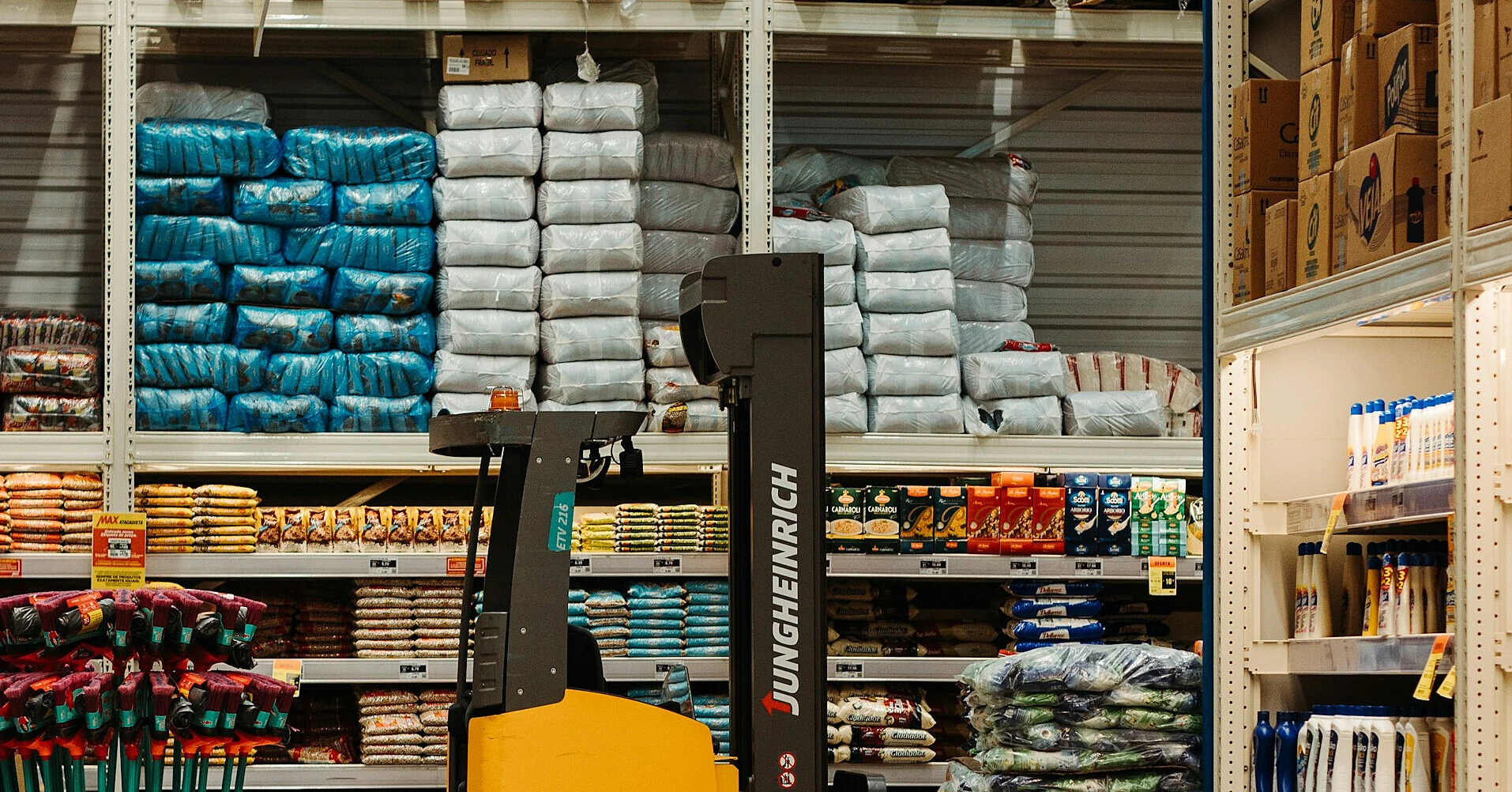
Kyiv is building up reserves of food and drinking water in case of prolonged power outages and other emergencies during the heating season of 2026-2027. The city also plans to purchase another 20,000 food kits and, if necessary, will be able to organize hot meals for 25,000 people.
This was reported by Oleg Kujawski, Deputy Head of the Kyiv City State Administration (KCSA) for self-governing powers.
According to him, the capital has already formed and constantly maintains reserves of main food groups. In case of complications in the power system operation, they will first of all be used to help low-income Kyiv residents and people who find themselves in difficult life circumstances.
Products from the reserve will also be able to be sent to points of invincibility during prolonged power outages, to victims of emergencies, and to workers involved in emergency rescue and urgent works.
20,000 food kits are being prepared
With the support of charitable and public organizations, Kyiv has the opportunity to provide hot meals to up to 25,000 people if necessary.
In addition, the Department of Industry and Entrepreneurship Development of the KCSA plans to purchase another 20,000 food kits for use during emergencies.
The reserves are formed within the work of the Humanitarian Headquarters of Kyiv, established in February 2022. It coordinates the work of KCSA structures, district administrations, communal enterprises, charitable organizations and donors, and is also responsible for accounting and distribution of aid.
At the same time, the KCSA emphasizes that the situation in the consumer market of the capital remains controlled and predictable for now.
Strikes on warehouses have already caused disruptions in supermarkets
The strengthening of reserves is taking place against the backdrop of a series of Russian strikes on the warehouse and logistics infrastructure of Kyiv and the region. In August, attacks damaged or destroyed distribution centers of large retail chains, causing supply disruptions and empty shelves in some capital supermarkets.
Problems with fresh and chilled products were especially noticeable. Previously, Kurs wrote that after strikes on logistics centers of "Silpo", "Fora" and other chains in the Kyiv region, there was a shortage of temperature-controlled warehouse capacity, and retailers had to reroute supply routes.
In late August, the situation escalated again after a new series of strikes on warehouses. The Associated Press reported partially empty shelves in capital stores after several days of continuous attacks on Kyiv and the region.
The problem is not limited to the capital region. Minister of Agrarian Policy and Food Taras Vysotskyi stated in early September that the Kyiv region suffered the greatest damage to warehouse infrastructure, and the Dnipropetrovsk region ranks second in terms of the scale of losses. According to him, the intensity of strikes on warehouses has recently become the highest since the beginning of the full-scale invasion.
Kyiv is preparing for a difficult winter
Reserves are also being formed amid warnings about the risks of the upcoming heating season. Kyiv Mayor Vitali Klitschko previously stated that the capital is preparing for a difficult winter and is installing backup power sources primarily at critical infrastructure facilities.
In August, the project manager of "Winter. Cities Will Stand" Vitaliy Miroshnychenko predicted that the heating season of 2026-2027 may become the most difficult for the country since the beginning of the full-scale invasion. He drew attention, in particular, to the uneven level of preparedness of Ukrainian cities and the special vulnerability of high-rise buildings.
The NSDC also coordinates the preparation of regions for winter taking into account the risk of new Russian strikes on energy and other critical infrastructure.
The KCSA notes that the city continues to hold agricultural food fairs in all districts of the capital in parallel, which are supposed to maintain the stability of the food market and the affordability of basic products for Kyiv residents.
Source: KCSA, Associated Press, KCSA
