
NBU: Port blockades and attacks on metallurgy worsened economic activity
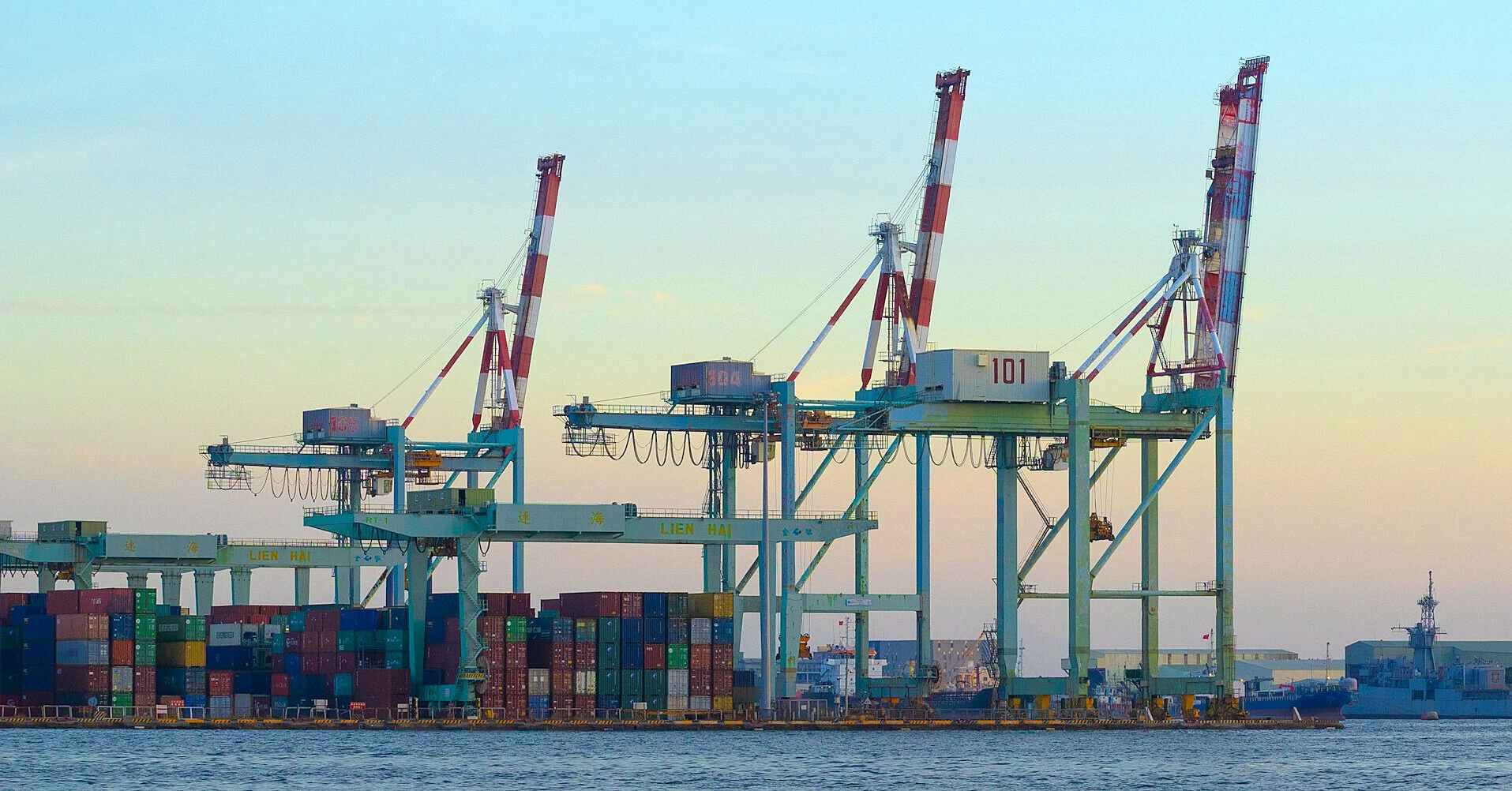
Blocking the ports of Greater Odesa and Russian attacks on metallurgical enterprises in August led to a significant reduction in freight traffic and a weakening of industrial activity in Ukraine. The disruption of trade logistics also restrained trade and consumer demand.
This is stated in the September Macroeconomic and Monetary Review of the National Bank of Ukraine.
According to NBU estimates, in August the business expectations of Ukrainian enterprises deteriorated somewhat amid large-scale Russian attacks.
Maritime logistics problems had a particularly noticeable impact on economic activity. The blockade of the ports of Greater Odesa reduced cargo flows, while strikes on metallurgical enterprises further weakened industrial production.
At the same time, damage to warehousing and trade logistics complicated the supply of goods and, according to the regulator, restrained both trade and consumer demand.
Agro-sector supported the economy
Against this background, the situation in agriculture was better. The NBU notes that record yields of early crops supported the growth of the agricultural sector and partially offset negative trends in other industries.
At the same time, problems with maritime exports have already affected foreign trade. In July, the merchandise trade deficit widened due to a reduction in exports as a result of the blockade of sea routes.
Despite the deterioration of the trade balance, the current account of the balance of payments was almost balanced thanks to the receipt of international financial assistance. International reserves at the end of July remained at a high level - $51.2 billion.
Workforce deficit slightly eased
In the labor market in August, the NBU recorded a slight decrease in the shortage of personnel. However, the reason was not a significant increase in labor supply, but a decrease in demand for labor amid massive shelling and deterioration in business activity.
Nevertheless, the shortage of workers remains significant. Together with increased payments in the public sector, this supported high wage growth rates.
NBU expects further acceleration of inflation
A separate risk to the economy remains the strengthening of price pressures. In July, annual inflation accelerated to 7.7%, and, according to preliminary estimates of the National Bank, inflation growth continued in August.
The main reasons are cited by the NBU as the rise in prices of raw food products, fuel and public transport services.
At the same time, the increase in the policy rate in July supported interest in hryvnia assets. In August, the volume of time deposits increased by 2.8 billion UAH, and the portfolio of hryvnia domestic government bonds - by another 1.7 billion UAH.
Net demand for foreign currency and the volume of NBU foreign exchange interventions in August remained close to July figures. Over the month, the official exchange rate of the hryvnia against the US dollar strengthened by 0.3%, while against the euro the hryvnia weakened by 1.2% due to trends in global financial markets.
According to: National Bank of Ukraine, NBU
