
China plans to quadruple computing power for AI
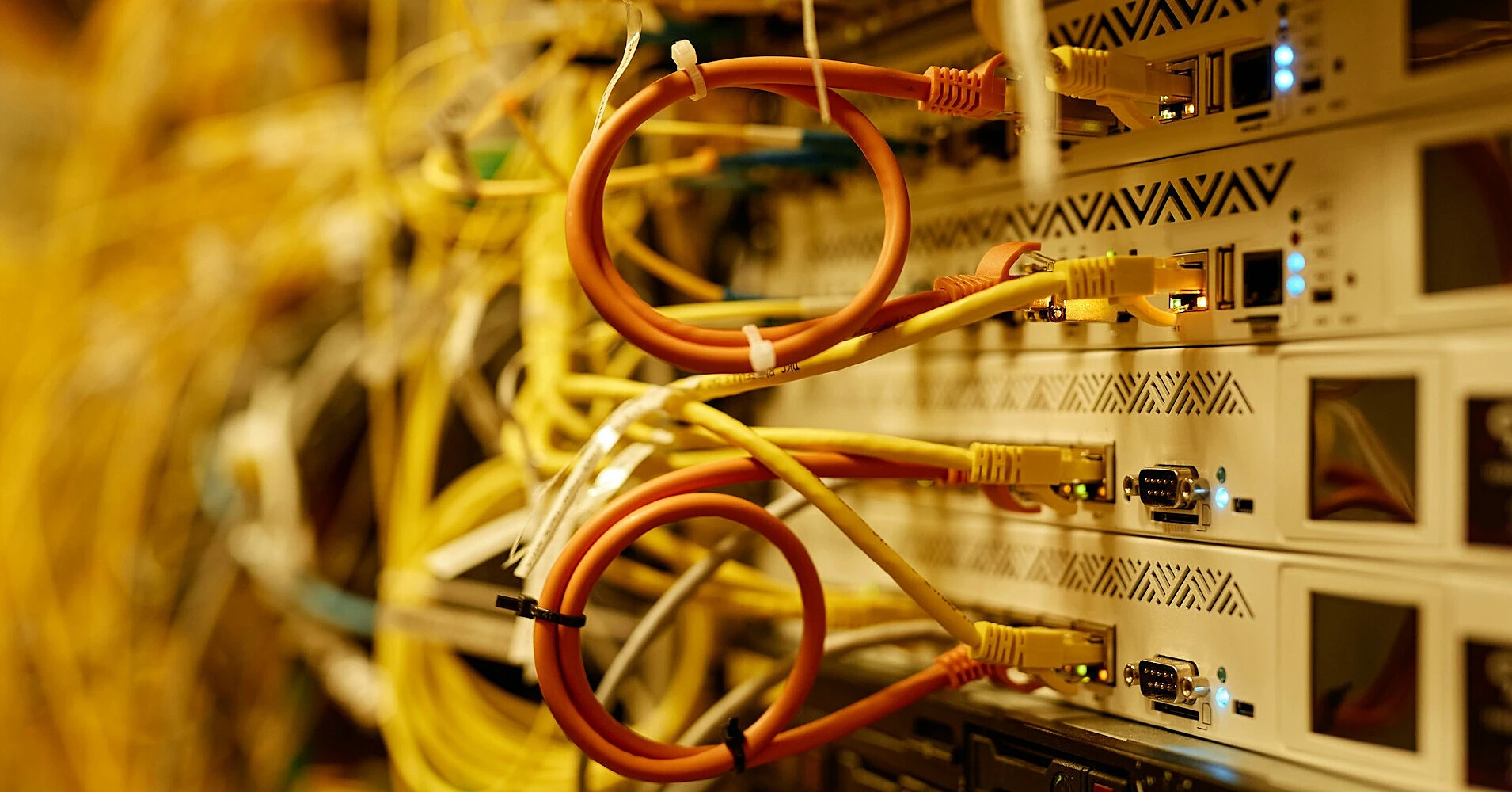
China plans to increase the capacity of its artificial intelligence computing infrastructure to 9,800 EFLOPS by 2030 and deploy super-large clusters with 100,000 or more accelerators. The expansion is outlined in the country's new five-year plan for the development of the information and communications industry.
The document was published by China's Ministry of Industry and Information Technology (MIIT). It sets key industry development goals for 2026-2030, including large-scale expansion of AI computing infrastructure.
As of the end of June, the capacity of so-called intelligent computing in China was 2,185 EFLOPS, up 177% from a year earlier. By the end of July, this figure had grown to approximately 2,450 EFLOPS, according to the National Data Administration of China. Thus, to reach the target set for 2030, the country needs to roughly quadruple its existing capacity.
EFLOPS is a unit of performance of computing systems, corresponding to one quintillion floating-point operations per second. The metric is used, among other things, to assess the capacity of infrastructure required for training and running large artificial intelligence models.
China will build super-large AI clusters
The plan provides for the orderly deployment of clusters with tens of thousands of accelerators, including systems with 100,000 or more cards. In parallel, China is to develop separate computing resources for launching and using already trained models in various sectors.
An important part of the program will be adapting the new infrastructure to Chinese-made processors. This will allow Beijing to simultaneously increase AI resources and reduce dependence on foreign accelerators amid US restrictions on the supply of advanced semiconductors.
According to MIIT, as of mid-2026, 52 intelligent computing centers were already operating in the country, each with more than 10,000 accelerator cards. The expansion continues the large-scale "Eastern data, western computing" program, under which energy-intensive computing tasks are moved from densely populated eastern regions to western regions with cheaper land and greater availability of electricity.
Trillions of yuan to be directed to infrastructure
In total, China plans to ensure 3.8 trillion yuan in cumulative investment in information infrastructure during 2026-2030. By the end of the decade, revenues of the information and communications industry are to reach 4.1 trillion yuan, with average annual growth in the volume of telecommunications services of 7%.
Separately, Beijing plans to accelerate the creation of a nationwide integrated computing network, develop 6G technologies and launch commercial use at an appropriate time. It also provides for the construction of 500,000 new 5G-A base stations, the development of satellite communications and the integration of artificial intelligence with industrial production.
The rapid expansion of computing resources comes amid a sharp increase in demand for capacity to train and run AI models. For China, its own computing infrastructure is also becoming a key element of technological competition with the US, especially given the limited access of Chinese companies to the most powerful American AI chips.
Based on materials from: Ministry of Industry and Information Technology of China, South China Morning Post
