
Billion-dollar dispute of Raiffeisen Bank with Russian shareholder of Strabag moved closer to resolution
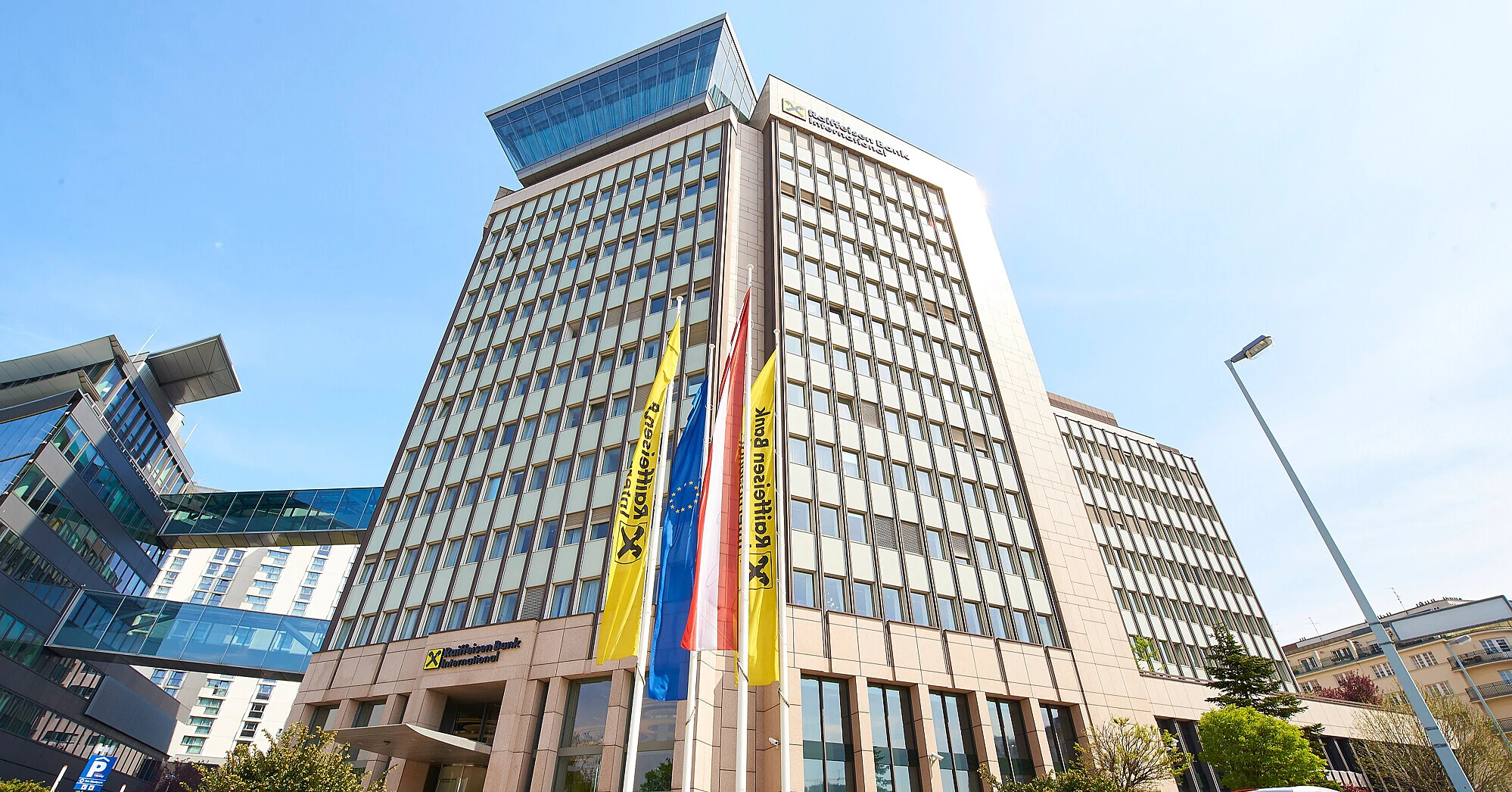
Raiffeisen Bank International (RBI) has moved closer to possible recovery of €3.15 billion from Rasperia Trading Limited, linked to the dispute around the Russian shareholder of construction group Strabag. Rasperia failed to file a response to the Austrian bank's lawsuit within the prescribed period, opening for RBI the possibility to seek a default judgment from the court.
Rasperia missed the four-week deadline for responding to the lawsuit, which is being considered by the Vienna Commercial Court. The deadline expired at the end of last week.
An RBI representative said that the bank's lawyers are currently determining further steps. He described filing an application for a default judgment as "very likely".
If RBI files such a motion, the court may rule without a full hearing of the defendant's objections. Afterwards, Rasperia will have the opportunity to appeal within the period prescribed by law.
RBI wants access to Rasperia's assets
Raiffeisen Bank International filed a lawsuit against Rasperia at the end of July. The bank is demanding approximately €3.15 billion in compensation for losses that its Russian subsidiary suffered due to decisions of Russian courts.
The key goal of the process is to obtain the possibility to recover against Rasperia's assets in Austria, which are currently frozen in accordance with EU sanctions.
This concerns primarily 28.5 million Strabag shares, as well as accumulated dividends on these securities and funds related to the construction company's capital reduction in 2024.
RBI has previously stated that it acts in accordance with EU sanctions legislation and seeks to compensate its shareholders' losses caused by decisions of Russian courts.
Dispute began over frozen Strabag shares
The conflict is tied to the shareholding in Austrian Strabag owned by Rasperia. These assets and related payments were frozen in Europe due to sanctions.
In 2025, a Russian court ordered Raiffeisen's Russian subsidiary to pay Rasperia approximately €2.4 billion. RBI was thus not directly a party to the initial corporate conflict between Rasperia and Austrian shareholders of Strabag.
According to ORF, the Russian Raiffeisen was drawn into the process because Strabag itself had no assets in Russia on which to enforce collection. Substantial funds were subsequently written off from the accounts of the Russian "daughter" of RBI.
Russian court allowed RBI to sue in Austria
An additional twist in the case occurred in July, when a court in Kaliningrad allowed RBI and its Russian subsidiary to claim from Rasperia outside Russia compensation up to €2.85 billion without applying the previously provided penalty.
RBI then decided to demand approximately €3.15 billion in Austria. The bank explained the difference by saying that the sum includes not only direct losses, but also related financial claims and expenses. RBI management previously assessed the likelihood of a favorable outcome of the Austrian proceedings as high.
If the Austrian court rules in favor of the bank and the judgment becomes final, RBI can attempt to use it to unlock and recover the frozen assets of Rasperia in Austria.
Sources: Der Standard, Raiffeisen Bank International, ORF
