
US imposes new sanctions on Iran's aviation sector
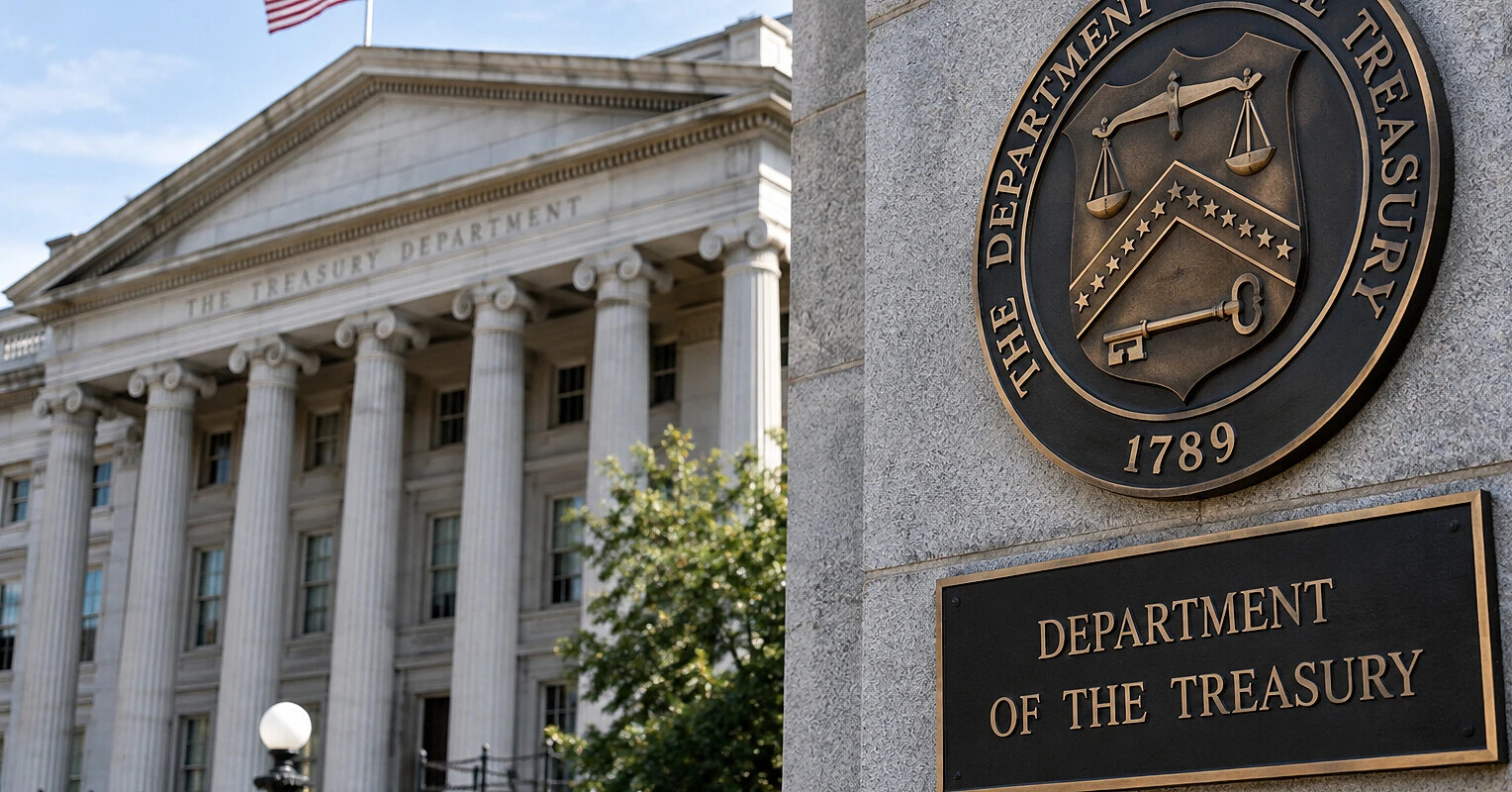
The US Treasury Department on September 8 announced a major new package of sanctions against Iran's aviation sector. The restrictions targeted 36 entities, including 27 active Iranian airlines, as well as foreign companies and intermediaries that, according to Washington, helped Tehran acquire American aircraft and components in circumvention of sanctions.
The restrictions were imposed by the US Treasury's Office of Foreign Assets Control (OFAC) as part of Operation Economic Outcast, aimed at further economic isolation of Iran.
The US sanctions list includes, among others, Iran Air Tour, Iran Aseman Airlines, Kish Airlines, Qeshm Air, Saha Airlines, Sepehran Airlines, Taban Airlines, Zagros Airlines and other carriers. The Treasury claims that Iran's aviation sector is used, among other things, to transport weapons, military personnel and other cargo on behalf of the authorities and the Islamic Revolutionary Guard Corps.
A separate block of sanctions targets supply schemes for Mahan Air, already under US restrictions. According to the US Treasury, in the summer of 2026 the airline received at least three Boeing 777 aircraft of US origin, which were routed through the United Arab Emirates and Oman before being handed over to Iran.
According to Washington, this scheme involved UAE-registered ECT Aviation Support LLC and Turkey's Sky Phoenix. Sanctions also hit a UK-based company associated with ECT, its manager Ibrahim Ali Mohamed Mohamed Mahran, and UAE-based Aerobravo Airplane Management.
In addition, the US imposed restrictions on several logistics companies from Turkey, Malaysia and Kazakhstan that handled international flights for Mahan Air. The Treasury claims that Turkey's S Sistem, in particular, coordinated shipments to Iran of drone components and industrial equipment, while Malaysia's Icargo was involved in transporting US-origin parts.
At the same time, OFAC suspended three licenses related to aviation operations with Iran. In particular, the restrictions affected overflight permits and the ability of foreign airlines to operate flights to Iran on commercial aircraft of US origin or subject to US export controls. Requests directly related to flight safety will be considered separately.
The US Financial Crimes Enforcement Network (FinCEN) also issued an alert for financial institutions. Banks are advised to pay special attention to transactions that may be linked to Iran's covert procurement of aircraft, aviation parts and technologies through shell companies in Europe, Asia, Africa and the Middle East.
US Treasury Secretary Scott Bessent warned that foreign companies that continue to work with sanctioned Iranian carriers risk losing access to the global financial system.
All assets in the United States of individuals and entities added to the list must be blocked. The restrictions also apply to companies that are 50% or more owned by sanctioned persons. For foreign financial institutions, certain transactions with listed parties may create the risk of secondary US sanctions.
The new package follows Operation Economic Outcast, announced by Washington on August 24. Under this campaign, the US intends to consistently restrict Iran's access to foreign banks, aviation, shipping and other channels for earning revenue and making purchases abroad.
Based on materials from: US Treasury Department, Reuters
