
Ukraine Faces F-16 Missile Shortage Amid Strikes by Jet-Powered Drones – The Economist
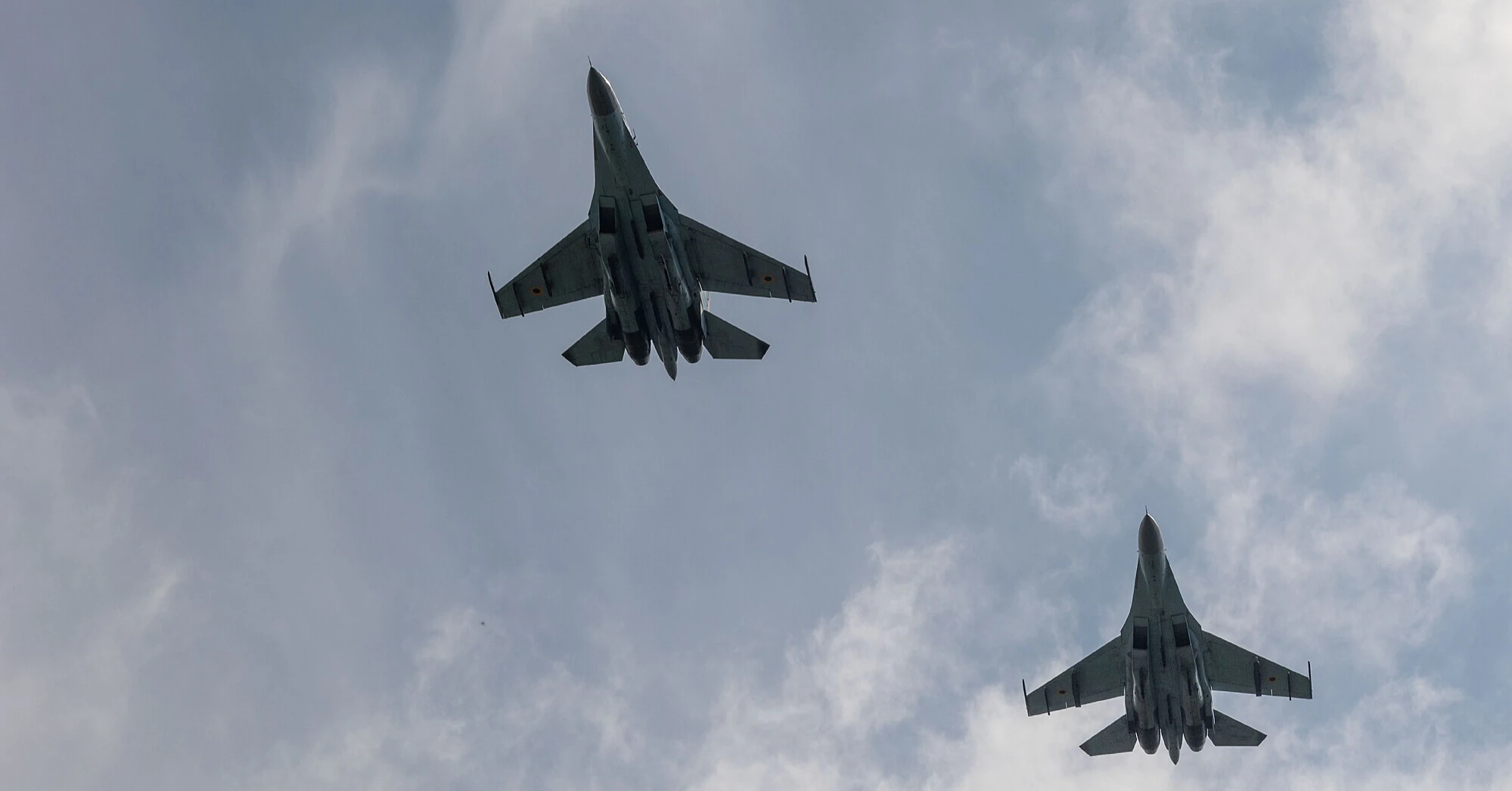
Ukraine is experiencing a severe shortage of American AIM-120 and AIM-9 missiles for F-16 fighters used to intercept Russian cruise missiles as well as new high-speed jet-powered drones. As the number of such drones grows, Kyiv is trying to find cheaper means of destroying them in order not to expend its limited stock of air-to-air missiles.
The Economist reports about it.
According to the publication, stocks of AIM-120 and AIM-9 for Ukrainian F-16s are shrinking. These missiles can be used against both cruise missiles and Russia's new jet-powered UAVs. At the same time, Ukraine needs to retain a sufficient quantity of these munitions to counter cruise missiles, so using expensive air-to-air missiles against mass drones creates an additional burden on air defenses.
Russia increases production of high-speed drones
A further challenge has been Russia's new Geran-4 and Geran-5 drones with jet engines. According to The Economist's estimate, they can reach speeds of up to 600 km/h, and their production has already reached about 3,000 units per month.
Unlike slower drones of previous generations, these systems closely approximate low-cost cruise missiles in terms of performance, which complicates their interception by traditional mobile fire groups.
The jet drones are also used during combined attacks to overload Ukraine's detection and air defense systems before missile launches.
Ukraine seeks cheaper alternative
Due to limited stocks of AIM-120 and AIM-9, Ukraine is accelerating the development of its own interceptor drones capable of countering high-speed jet-powered UAVs. This should make it less necessary to use scarce air-to-air missiles against such targets and allow them to be saved, notably for destroying Russian cruise missiles.
Thus, the new generation of Russian strike drones poses a double challenge for Ukraine's air defense: the number and speed of such targets are increasing, while the stock of expensive Western interception means remains limited.
Source: The Economist
