Global oil prices remain near their highest levels in months after a sharp rise the previous day. The market is reacting to a new escalation in the war between the US and Iran and Tehran's statements about readiness to move to even more intensive hostilities.
On the morning of September 10, Brent was trading near $101 per barrel, and American WTI - above $96. The day before, the international benchmark rose by about 3.4% and for the first time since July closed the trading session above $100.
A new factor supporting prices were statements by a senior Iranian official that Tehran has no intention of backing down under the pressure of the American naval blockade.
According to him, if the US continues to strike Iran's territory and infrastructure, the country is ready to move to a "more intensive war" and intensify retaliatory strikes.
The escalation of hostilities over the past week interrupted a relatively calm period in the conflict and again increased concerns about energy supplies through the Strait of Hormuz.
Before the war, about a fifth of the world's oil and liquefied natural gas supplies passed through this strait. Some tankers continue to transport oil from the Persian Gulf, but shipping remains under constant threat of attacks.
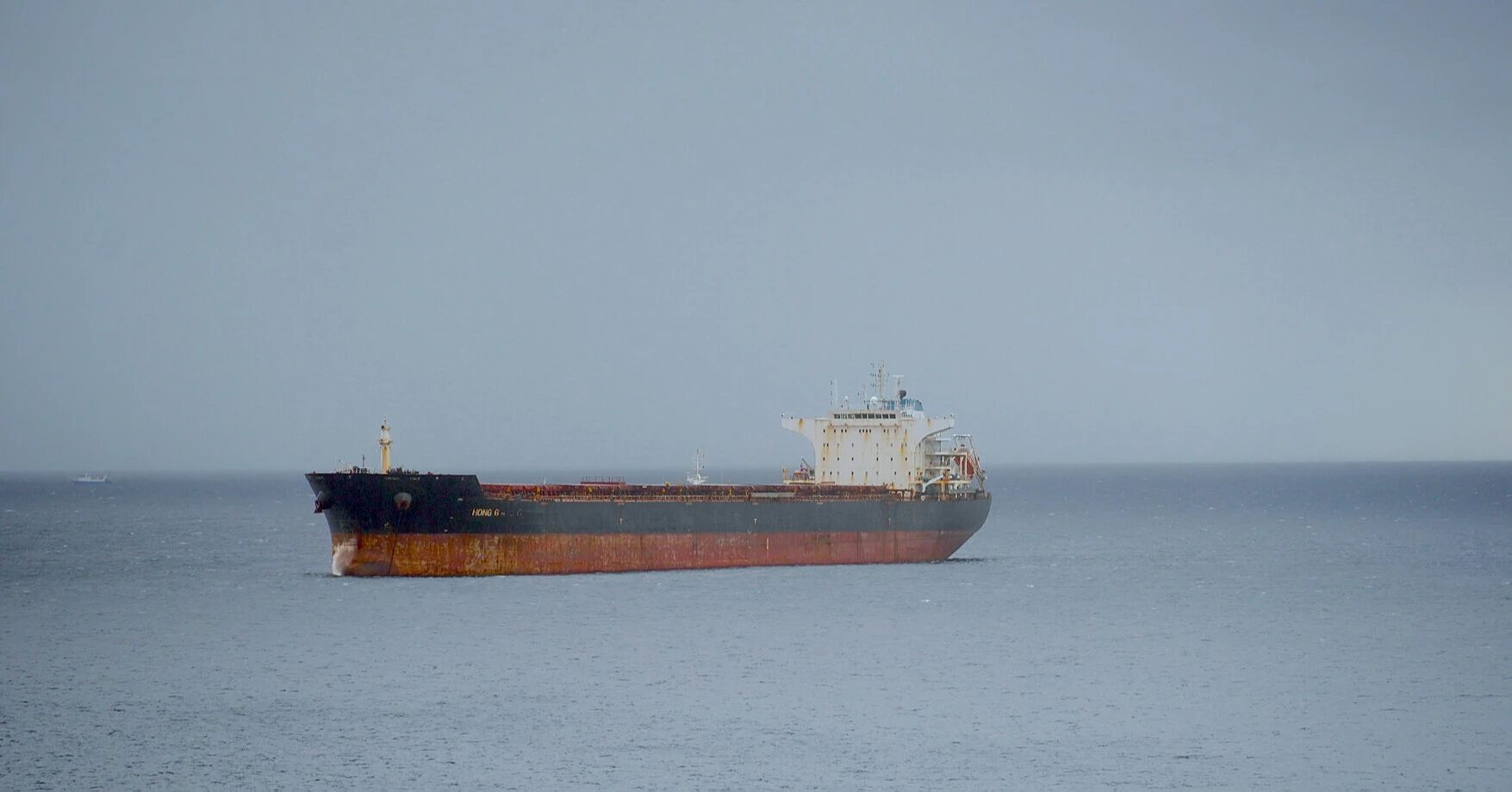
This week, escalation has intensified significantly. The US struck Iranian oil tankers, while Iran responded with attacks on American military facilities and ships. Additional pressure on the market was created by strikes by Yemeni Houthis on Saudi Arabia's energy facilities.
By the end of Wednesday, Brent rose to $101.21 per barrel, and WTI to $96.05. Both oil grades have already added about 10% since the beginning of September.
The rise in energy prices again increases inflationary risks. High oil prices raise gasoline and diesel prices, increase transportation and production costs, and may complicate the decisions of major central banks regarding interest rates.
A rapid reduction in the geopolitical premium in the oil market is not expected yet. US President Donald Trump said on September 9 that, in his opinion, the war with Iran will end only after the US midterm elections in November. He also acknowledged that he does not expect significant fuel price reductions by then.
Thus, the market simultaneously received signals from both sides of the conflict about the absence of prospects for rapid de-escalation: Washington does not plan to stop the pressure in the near future, and Tehran declares readiness to intensify the military response.
Based on materials: Bloomberg, MarketWatch