
Ukraine's strikes on the Russian Arctic opened a new risk for the European gas market
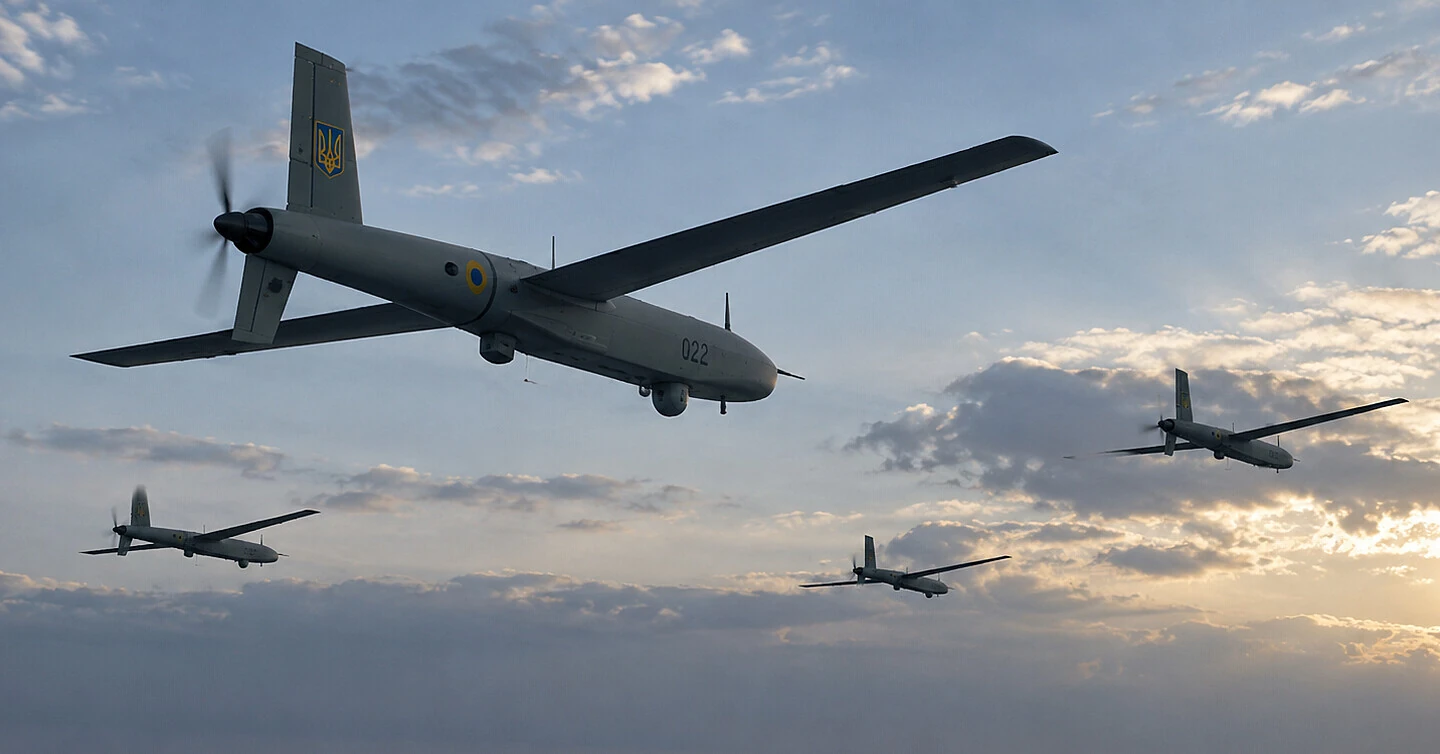
Ukrainian long-range drones have for the first time reached one of the main centers of the Russian gas industry in the Arctic. Strikes on enterprises in the Yamalo-Nenets Autonomous Okrug demonstrated the vulnerability of a region that was previously considered out of reach, and added a new risk factor for the European gas market, Bloomberg writes.
On September 9, units of Ukraine's Special Operations Forces claimed strikes on two major gas condensate industry enterprises — in Novy Urengoy and the Purovsky district. According to the SSO, the drones covered more than 3,000 km, making it the farthest Ukrainian strike on Russian territory since the start of the full-scale war.
One of the targets — a gas condensate preparation enterprise near Novy Urengoy, owned by Gazprom. Its design capacity is about 19.5 million tons of raw material per year.
The second facility named by Ukraine was the Purovsky Gas Condensate Processing Plant of Novatek. In 2025, the enterprise processed about 13.4 million tons of gas condensate.
Russian authorities confirmed the attack on the Yamalo-Nenets Autonomous Okrug and a fire at an industrial facility in Novy Urengoy. The region's governor Dmitry Artyukhov stated that there were no deaths or injuries, and the extent of damage is being established. The Russian side, however, has not officially confirmed Ukrainian reports of hitting both enterprises.
Why the attack matters for the gas market
The Yamalo-Nenets Okrug is a key center of the Russian gas industry. This region accounts for about 80% of natural gas production in Russia, and it hosts the largest fields and enterprises of Gazprom and Novatek.
Until now, Ukrainian long-range attacks have been focused primarily on oil refineries, oil depots, and export terminals. Strikes at distances over 3,000 km from Ukraine show that even Russia's much more remote gas infrastructure is now potentially vulnerable.
For the global market, it is especially significant that the Yamal LNG project is located in the same region — one of Russia's largest liquefied natural gas plants. The Yamal LNG plant itself was not a target of the current attack, but the ability of Ukrainian drones to reach the Arctic gas hub changes the risk assessment for Russian supplies.
Europe has significantly reduced purchases of Russian pipeline gas after 2022, but Russian LNG still remains part of its energy balance. In the first half of 2026, EU countries received almost 10 million tons of LNG from Yamal LNG — the overwhelming share of the project's exports.
Gas in Europe has already risen to a nearly four-year high
The new risk emerged at an extremely tense moment for the European energy market. LNG supplies from the Persian Gulf region have already been threatened due to the escalation in the Middle East, and gas reserves in European storage facilities remain significantly below normal levels ahead of the heating season.
On September 10, European gas continued to rise. Futures on the Dutch TTF hub rose by about 3% — to €81.58 per MWh, reaching the highest levels since December 2022.
Thus, the market is simultaneously factoring in several threats: possible reduction of LNG supplies from the Middle East, insufficient reserves in European storage facilities, and now — the risk of strikes on Russian gas infrastructure that was previously deep in the rear.
For Russia, the vulnerability of Yamal also has economic significance. After losing a substantial part of the European pipeline gas market, Moscow is increasingly betting on LNG exports. Therefore, the expansion of Ukrainian attacks from oil refining to gas and gas condensate facilities could raise risks not only for Russia's domestic energy sector, but also for global gas trade.
Sources: Bloomberg, The Wall Street Journal
