
ECB raises rate for second time this year due to accelerating inflation
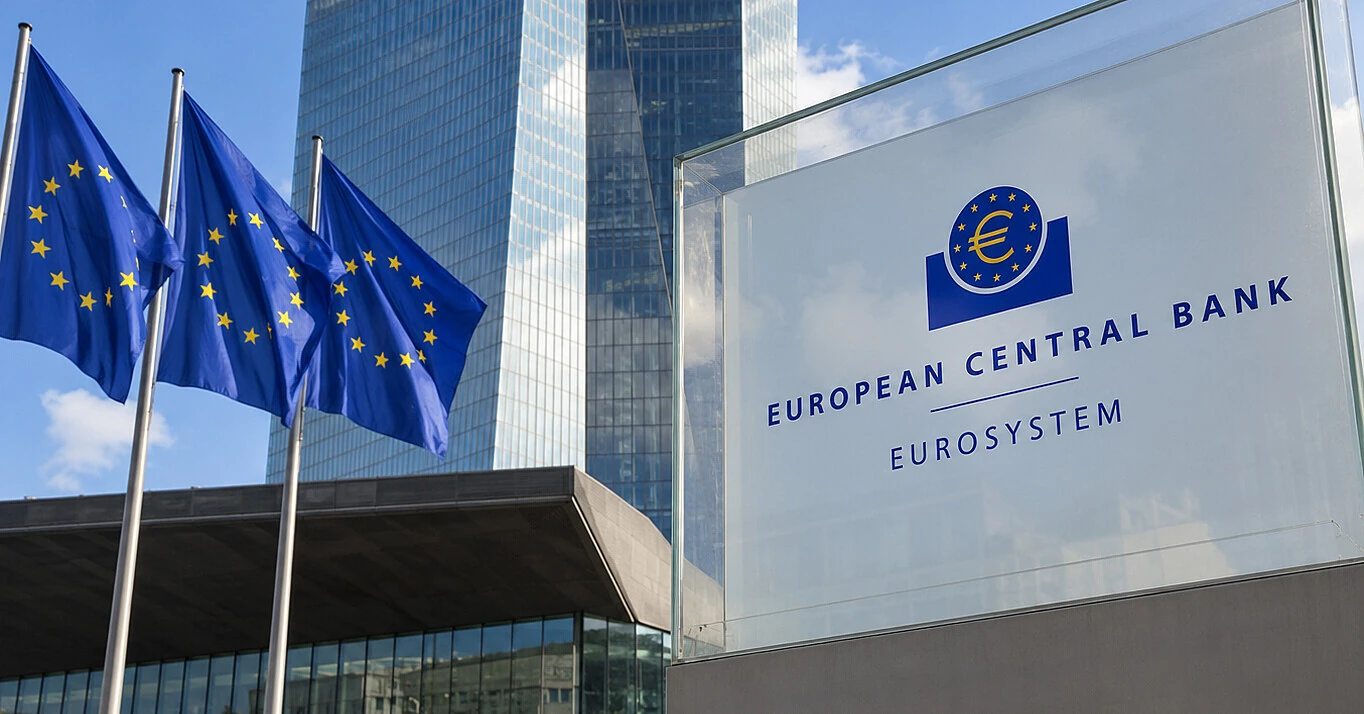
The European Central Bank raised interest rates by 25 basis points for the second time this year. The deposit rate rose from 2.25% to 2.5% amid accelerating inflation in the eurozone and a new spike in energy prices due to the war in the Middle East.
The decision was made on Thursday, September 10, at a meeting of the ECB Governing Council in Berlin, the European Central Bank reported.
All three key rates were raised by 0.25 percentage points. The deposit facility rate increased to 2.5%, the main refinancing operations rate to 2.65%, and the marginal lending facility rate to 2.9%.
The main reason for the new monetary policy tightening was increased inflationary pressure. In August, annual inflation in the eurozone accelerated to 3.3%, notably exceeding the ECB's target of 2%.
One of the main factors remains the sharp rise in energy prices. The military conflict in the Middle East and disruptions in oil supplies have led to an increase in commodity costs. This week, Brent crude again exceeded $100 per barrel.
The ECB believes that the impact of the energy shock on consumer prices will be more prolonged than previously expected. The regulator fears that expensive oil and gas will gradually affect not only fuel and electricity prices but also prices of goods, food, and services.
The ECB kept its average inflation forecast for 2026 at 3%, but worsened expectations for the following years. Price growth is now projected at 2.5% in 2027 and 2.1% in 2028. Thus, the return of inflation to the target of 2% is expected later than previously assumed.
Core inflation, which excludes the most volatile food and energy prices, is projected by the regulator to be 2.5% in 2026, 2.6% in 2027, and 2.3% in 2028.
The economic growth assessment improved somewhat. The ECB now expects eurozone GDP to increase by 0.9% in 2026 and 1.4% in 2027. The European economy has been more resilient to rising energy costs and high interest rates than assumed a few months ago.
ECB President Christine Lagarde warned that inflationary pressure will remain elevated for a prolonged period. However, the regulator still does not promise further rate hikes in advance: subsequent decisions will be made separately at each meeting based on economic data.
This is already the second ECB rate hike in 2026. On June 11, the regulator raised rates by 25 basis points, when the deposit rate rose from 2% to 2.25%. In July, the ECB paused and kept borrowing costs unchanged.
Higher rates mean more expensive loans for banks, companies, and the public in the eurozone. At the same time, higher rates should dampen demand and prevent a temporary spike in energy prices from turning into persistent inflation across the economy.
Based on materials from: European Central Bank, Financial Times, Associated Press
