
Germany prepares its own long-range arsenal based on Tomahawk missiles for €3.4 billion
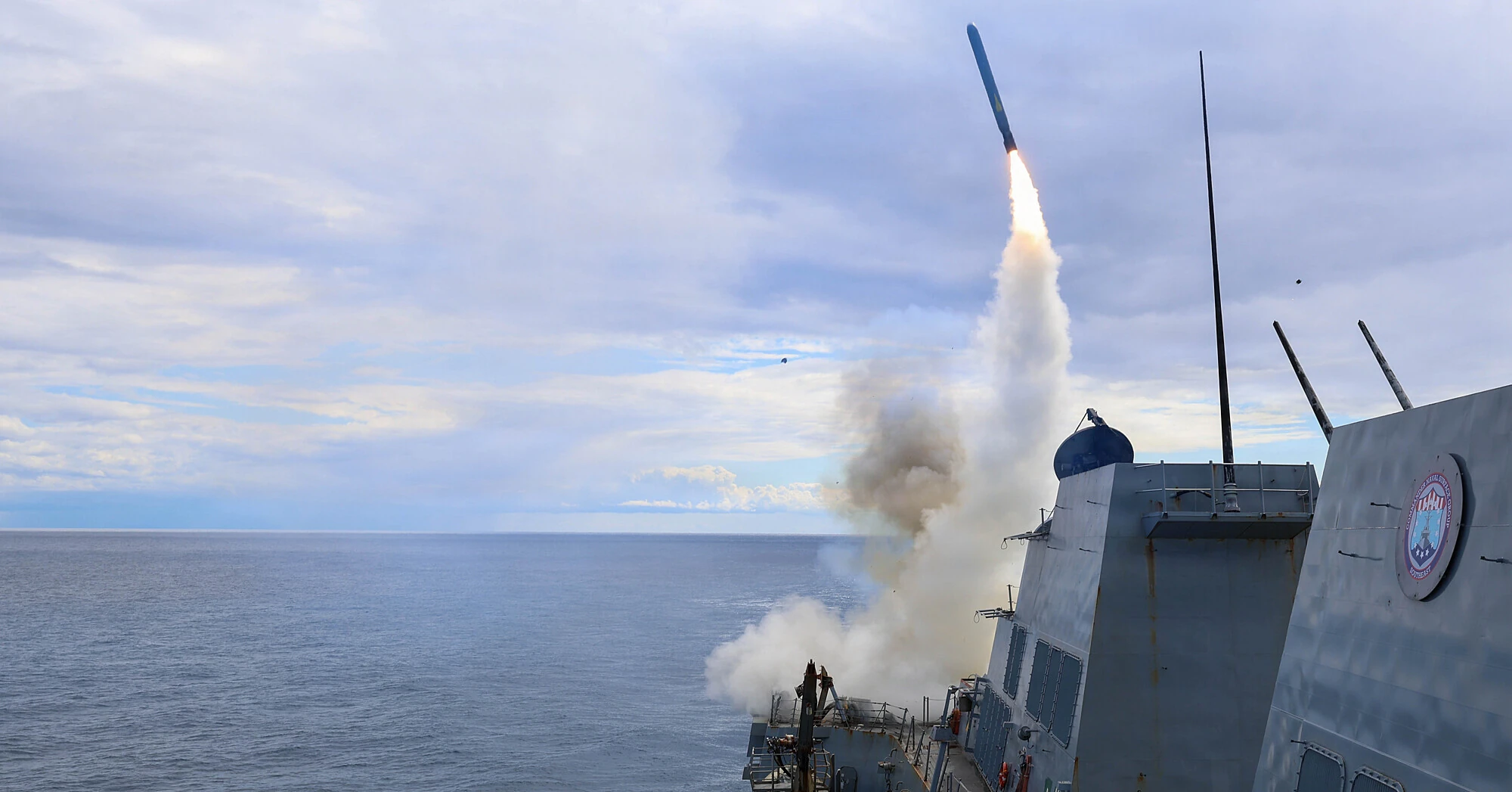
The German Ministry of Defense plans to spend almost €3.4 billion on American Tomahawk cruise missiles and Typhon ground launchers. The procurement is intended to give the Bundeswehr its own long-range strike capabilities and enhance deterrence against Russia.
This was reported by Politico, which reviewed an internal German government document.
The €3.4 billion figure is the Ministry of Defense's current estimate of the total funding requirement for the procurement. It is planned to be taken into account during the formulation of Germany's budget for 2027, but the expenditure may still change before the program is finally approved.
Currently, the Bundeswehr does not have its own ground-based system capable of striking at long range. Typhon allows launching Tomahawk from mobile ground launchers, which is expected to close this gap and provide Germany with its own long-range capability.
Initially, Berlin relied on American forces. In 2024, the Joe Biden administration agreed with then-Chancellor Olaf Scholz to deploy American long-range systems, including Tomahawk, in Germany. After Donald Trump returned to the White House, this plan was canceled, prompting Germany to accelerate work on procuring its own systems.
Berlin officially approached Washington in 2025 about purchasing Typhon and Tomahawk. In July of this year, at the NATO summit in Ankara, Trump and Chancellor Friedrich Merz reached a preliminary agreement, and subsequently the German government announced that the United States had agreed to authorize the sale. The final parameters of the deal are still being negotiated.
The negotiations go beyond the direct missile purchase. According to Politico, Washington has offered the prospect of industrial cooperation, and representatives of the two countries are discussing the possibility of involving German companies in the Tomahawk supply chain.
At the same time, the sides have not yet agreed on a production model and division of labor. The U.S. intends to retain control over sensitive technologies and intellectual property related to the missiles.
For Berlin, this is part of a broader strategy: Germany is trying not just to buy American weapons, but to secure participation of European companies in their production, maintenance and supply chains. This topic has become particularly relevant after the U.S. war against Iran, which increased pressure on American stocks of precision weapons.
