
Excess of petrol stations protects Ukraine from fuel crisis after Russian attacks - expert
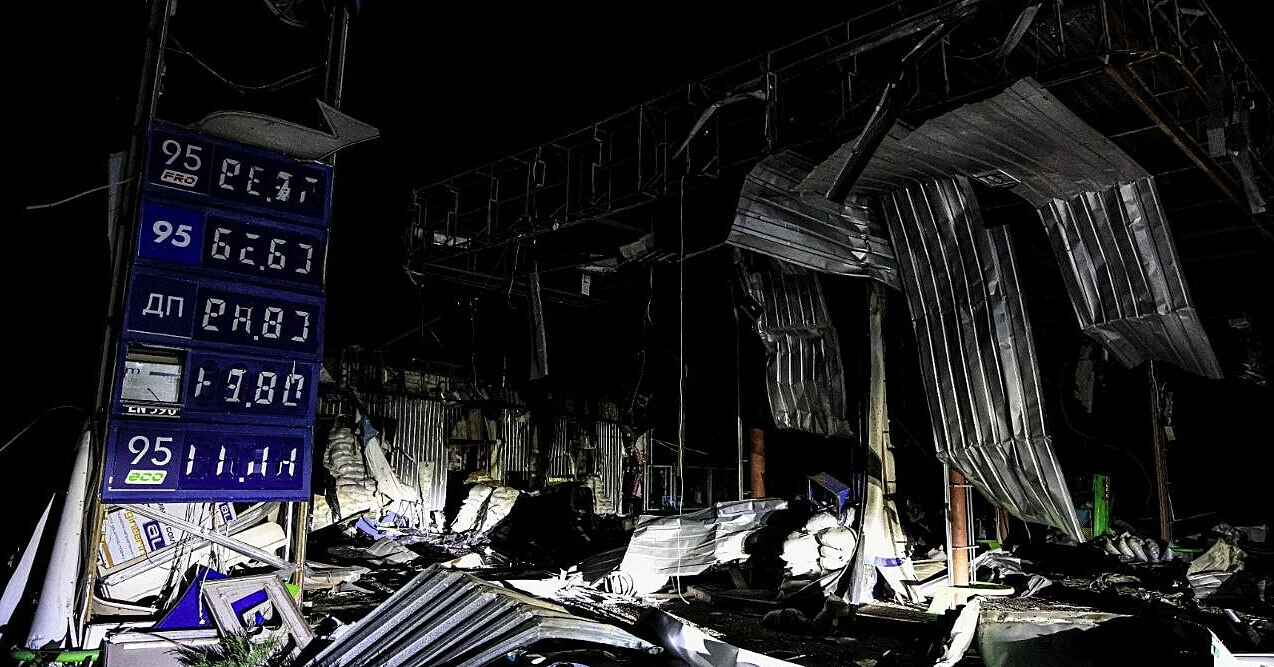
The Ukrainian market has a significantly larger number of petrol stations than needed based on European standards of fuel supply. According to energy expert Hennadiy Ryabtsev, Ukraine has seven to eight times more petrol stations than would be sufficient compared to EU countries.
He told Ekonomichna Pravda, commenting on the consequences of Russian attacks on fuel infrastructure.
Currently, about 5.5 thousand petrol stations operate in Ukraine. Over the past six months, Russian strikes have damaged or destroyed more than 300 petrol stations, which is about 5-6% of their total number.
Despite such losses, no nationwide fuel shortage occurred. According to Ryabtsev, the high density of the petrol station network gives the market a significant margin of safety: even if individual stations are damaged, sales can be redirected to neighboring facilities.
"In Ukraine, there are seven to eight times more petrol stations than needed compared to the European Union. Therefore, it is impossible to create a fuel crisis here. Oil products will definitely be imported - the question is the price", - said the expert.
Additionally, the market is supported by the rapid restoration of damaged facilities. According to Serhiy Kuyun, director of the A-95 Consulting Group, over 75% of attacked petrol stations promptly return to operation.
Russian strikes largely affected front-line and border regions. In Dnipropetrovsk Oblast alone, over the past six months, more than 60 stations have been damaged. In the Nikopol district, attacks hit almost 60% of active petrol stations, and in Sumy Oblast, more than a quarter of the network.
At the same time, even in areas with the greatest losses, fuel continues to be supplied through neighboring stations and other regions. Therefore, the main consequences of the attacks for the market remain local disruptions, restoration costs, and the risk of further fuel price growth, rather than its physical shortage.
