
Frontline gas stations abandon stores and some services; government prepares new rules
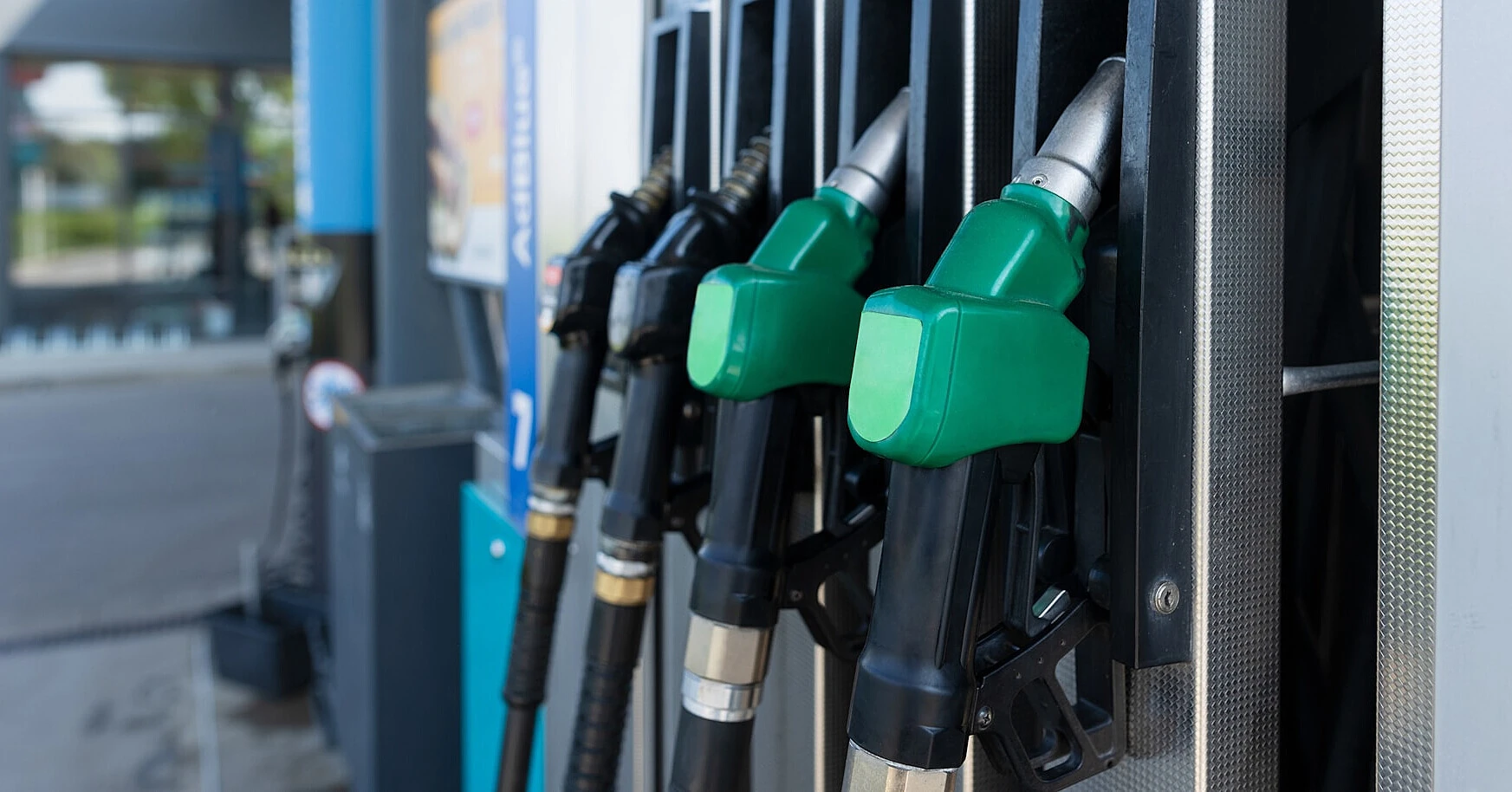
In the frontline regions of Ukraine, gas stations are transitioning to a simplified operating model due to constant Russian shelling. Operators are abandoning some customary services, minimizing the presence of staff directly at stations, and the government is simultaneously working on rules for mobile and container gas stations.
This is stated in the material of "Economic Truth about the adaptation of the fuel business to Russian attacks.
In the most dangerous areas, only the basic function often remains from the usual gas station - the ability to refuel a car. Stores, large canopies, advertising structures and part of additional services gradually disappear there.
According to the director of the Prime group of companies Dmytro Leushkin, the main fuel equipment is located underground, therefore even after damage to the operator's office, canopy or stele, the station can in many cases be quickly returned to operation in a minimal format - without a store, coffee and other services.
The work of personnel is also changing. In areas with a high risk of repeated attacks, workers may be located 100 meters from the station or even further and approach only after a customer appears. Some gas stations leave a phone number to call an operator to refuel the car.
This format is associated not only with safety, but also with a reduction in demand. In settlements closest to the front line, significantly fewer people remain, so maintaining full-fledged stores and other service infrastructure is often economically unfeasible.
The minimum cost of restarting a damaged gas station is estimated at approximately 500 thousand UAH. Restoring basic functionality with fuel equipment, cash register, communications and premises for personnel may cost up to 1 million UAH.
Full restoration of the complex costs significantly more. A store, kitchen, refrigeration equipment, coffee machines, toilets, advertising structures and other infrastructure can increase costs by tens of times.
For destroyed gas stations, a mobile alternative is being prepared
One solution for areas where stationary gas stations are destroyed or their restoration is too risky may be mobile and container gas stations.
According to energy expert Hennadii Riabtsev, simply placing a fuel truck on the roadside is insufficient, because it becomes an easy target. This format requires separate rules that will determine requirements for protection, fuel accounting and control of operations.
Riabtsev notes that the government is already working on the issue, but no final decision has been made yet.
Market participants also believe that part of the regulatory requirements for frontline gas stations should be revised. Currently, stations in rear cities and a few dozen kilometers from the front line actually operate under identical tax rules, although the risks and economics of their operation differ significantly.
In particular, experts propose revisiting the advance payment of profit tax for dangerous regions, which gas stations pay monthly regardless of actual financial results.
Thus, Russian attacks gradually change the very model of the fuel business near the front line: operators are reducing infrastructure to the necessary minimum, moving personnel away from potential targets and seeking mobile formats that will allow rapid restoration of fuel sales after strikes.
