
Pentagon acknowledges strategic ammunition shortage amid war with Iran
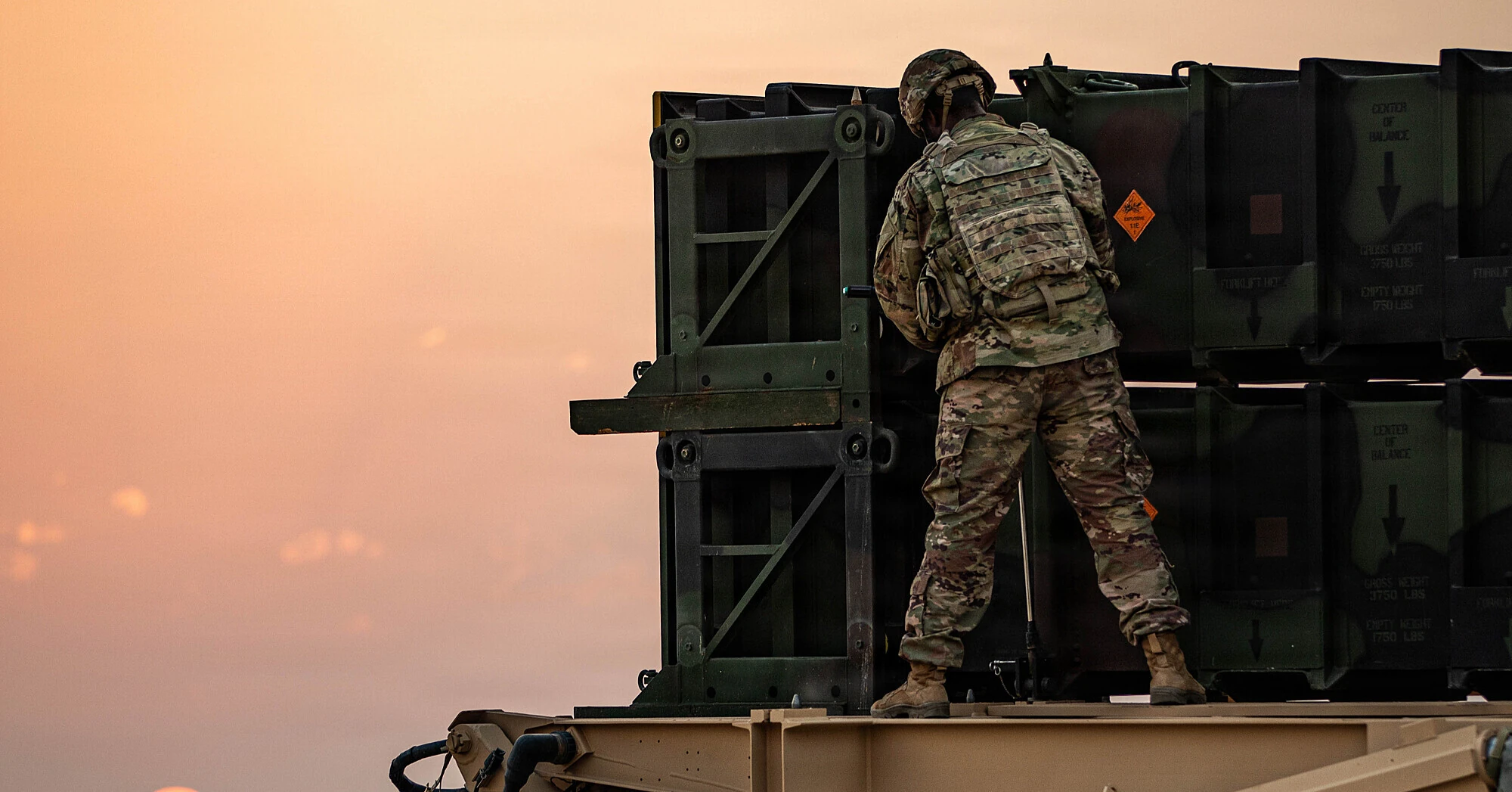
Large-scale use of precision-guided munitions during the war with Iran led to a strategic shortage of certain munitions in the U.S. and revealed the inability of the American defense industry to quickly replenish expended stocks.
This is stated in the first report of the Pentagon Inspector General regarding Operation Epic Fury.
In the document, the U.S. Department of Defense acknowledged that munitions expenditures during the operation resulted in a "strategic inventory shortfall" and exposed bottlenecks in the defense industrial base for replenishing missiles and munitions.
As of June 29, the estimated cost of Operation Epic Fury was approximately $33.4 billion. About $22.3 billion was for expended munitions, and $3.7 billion for losses of military equipment. Future costs for restoring damaged infrastructure were not included.
Thus, munitions alone accounted for about two-thirds of the operation's recorded cost at that time.
The problem became especially acute for expensive air defense and missile defense missiles, as well as long-range precision strike weapons.
According to estimates by the Center for Strategic and International Studies (CSIS), during the war against Iran, the U.S. used about half of its initial stocks of missiles for Patriot and THAAD systems, as well as PrSM. For JASSM, Standard Missile family, and Tomahawk, expenditures amounted to about a third of stocks.
Analysts emphasize that the problem is not so much the U.S. ability to continue the current campaign against Iran, but readiness to simultaneously respond to a new major crisis - for example, a conflict with China or Russia.
It will not be possible to quickly compensate the expenditures. According to CSIS estimates, from contract award to actual delivery of many munition types to U.S. forces currently takes two to four years. Full replenishment of key missile stocks will therefore be a multi-year process.
The situation has particular significance for Ukraine. Among the most critical munitions remain Patriot interceptor missiles, which are simultaneously needed by U.S. forces, U.S. allies, and Ukraine for defense against ballistic missiles.
Meanwhile, CSIS notes that overall aid to Ukraine is not the main cause of the current U.S. munitions shortage. Most equipment transferred to Kyiv belongs to other categories, with a few exceptions, including Patriot missiles, whose stocks have been further reduced due to intensive use in the Middle East.
The new report is also important because previously, the question of U.S. weapon shortages was based mainly on expert assessments and media reports. Now, stockpile and industrial capacity problems are officially documented in the Pentagon oversight body's report.
At the same time, the data in the report covers the operation only until late June. Munitions expenditures after that date were not included in the inspector's first report.
Source: Pentagon Inspector General, Bloomberg, CSIS
