
China rejects calls to slow AI development amid race with US
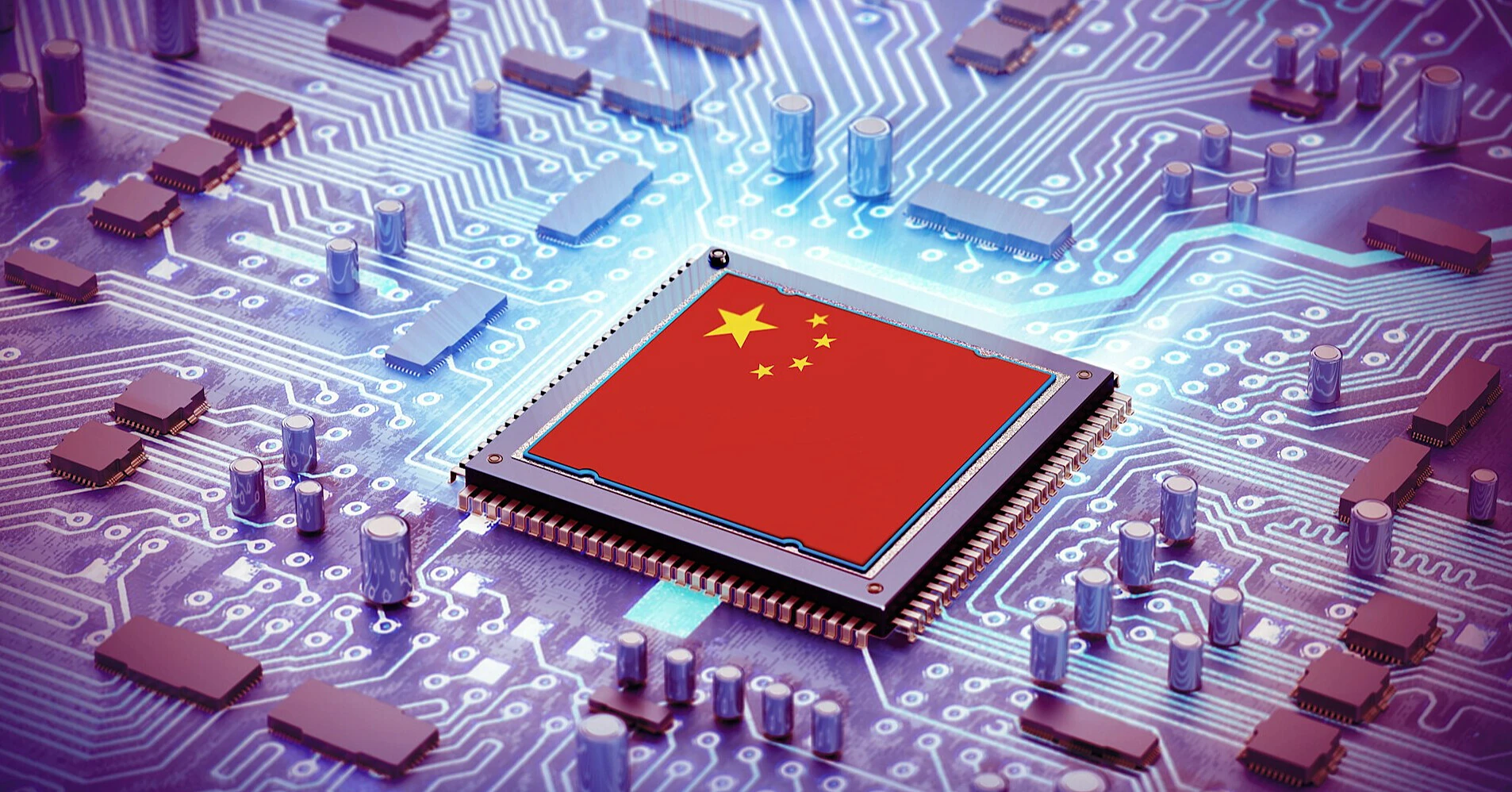
China has rejected calls from leaders of major US tech companies to slow down the development of the most powerful artificial intelligence models. Beijing believes that the debate over AI safety is increasingly intertwined with US attempts to maintain technological superiority over China.
Beijing's reaction came after Anthropic CEO Dario Amodei proposed deliberately slowing the scaling of advanced AI models due to risks of losing control over them, cyberattacks, use of the technology to create biological weapons, and large-scale economic disruptions. His calls were supported by OpenAI CEO Sam Altman and Elon Musk.
Chinese Foreign Ministry spokesperson Guo Jiakun said that artificial intelligence is a technology important for all of humanity, and its development must remain open and inclusive. According to him, intimidation, confrontation, and unfair competition only hinder the creation of a global AI governance system.
China's strongest objections were to the part of Amodei's proposals that directly concerns the technological rivalry between the two countries. The Anthropic CEO considers dangerous the scenario in which American companies slow down AI development while China continues at its current pace.
Amodei proposes tightening restrictions on supplying China with the most powerful AI chips and equipment for their production, countering Chinese companies' use of American models to train their own systems, and better protecting the parameters of advanced models from theft. In his view, the US and its allies should first ensure technological superiority, after which negotiations with Beijing on mutual limits on AI development could take place.
China's state-run Global Times called this approach effectively a "Cold War scenario" for the artificial intelligence industry. The outlet asserts that under the pretext of fighting risks, it is proposed to restrict China's access to critical technologies and lock in the advantage of American companies.
At the same time, Beijing itself does not dispute the need for AI safeguards. China's Foreign Ministry notes that the PRC has already included artificial intelligence in the scope of national cybersecurity regulation and continues to develop relevant rules and ethical norms. Simultaneously, Chinese authorities oppose the creation of closed technological blocs and promote open models, including through cooperation within BRICS.
The proposal to slow AI development did not receive support from US President Donald Trump either. He previously said the US is ahead of China in artificial intelligence and must maintain that leadership. According to Trump, certain safeguards are possible, but he rejected the idea of a significant slowdown in technology development, emphasizing competition with Beijing.
As a result, the issue of AI safety is becoming increasingly dependent on the technological rivalry between the world's two largest economies. Both Washington and Beijing recognize the risks of rapid technology development, but neither side wants to limit its own capabilities while the competitor continues to move forward.
Based on materials from: China's Foreign Ministry, Global Times, NBC News
