
Kyrgyzstan's economy grows at double-digit pace amid trade with Russia
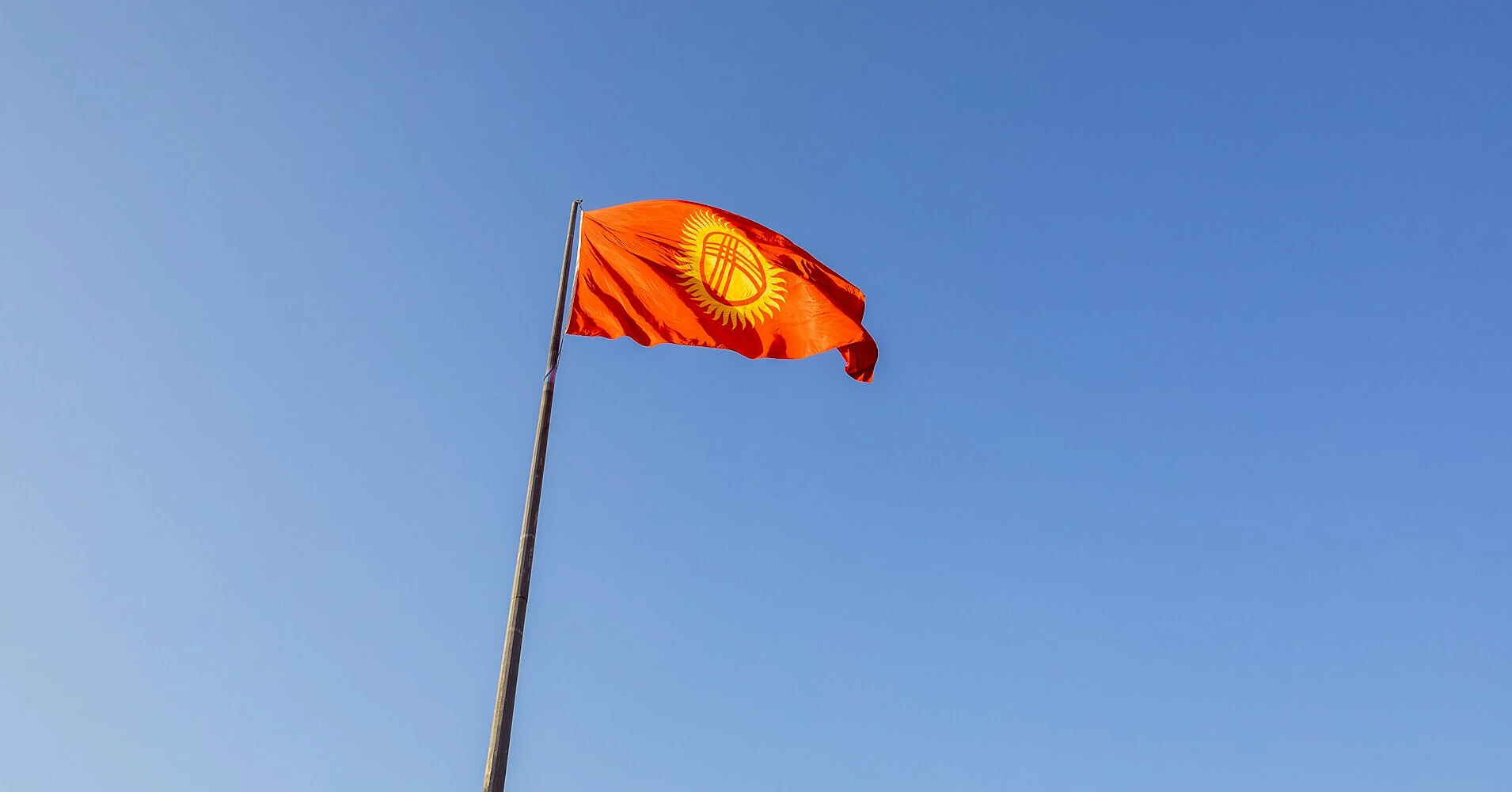
The economy of Kyrgyzstan continues to grow at a double-digit pace after several years of sharp expansion in trade, particularly flows of goods to Russia. In January-August 2026, the country's GDP increased by 11% year-on-year. At the same time, the European Union is already tightening restrictions on Kyrgyzstan due to the risks of re-export to Russia of goods that can be used by Russian industry.
The New York Times draws attention to the role of the war against Ukraine in the transformation of the Kyrgyz economy.
After Russia's full-scale invasion, the introduction of Western sanctions, and the exit of many international companies from the Russian market, Kyrgyzstan became one of the routes through which goods from China and Western countries continued to enter Russia.
This includes, in particular, automobiles, electronics, consumer goods, equipment, and other products. Some categories may have dual-use - civilian and military - purposes.
This is facilitated by the membership of Kyrgyzstan and Russia in the Eurasian Economic Union: the movement of goods between the two countries takes place without traditional customs barriers.
GDP continues to grow by about 11%
The boom was not limited to previous years. According to fresh data from the National Statistical Committee of Kyrgyzstan, in January-August 2026, the country's GDP reached 1.397 trillion soms and grew by 11% compared to the same period last year.
Industrial production during this period increased by 8.8%. Particularly fast growth was observed in the production of vehicles, construction materials, chemical products, and petroleum products.
For comparison, in 2025, the economy of Kyrgyzstan also grew by about 11%.
The New York Times, citing the Asian Development Bank, notes that about 30-40% of the country's economic growth over the past four years could be linked to re-export activity.
However, explaining the entire boom only by trade with Russia is incorrect. Kyrgyzstan simultaneously benefited from high gold prices - its main export commodity, increased remittances, development of the financial sector, and large-scale state construction.
The country is actively investing in roads, airports, housing, and other infrastructure projects. The state also sharply increased capital expenditures.
Commodity flows changed dramatically after 2022
The scale of trade restructuring is particularly noticeable in relations with the European Union. According to data cited by NYT, last year exports of goods from the EU to Kyrgyzstan amounted to about $2.5 billion - approximately eight times more than in 2021, before the start of the full-scale war.
Almost half of these supplies were machinery, equipment, household appliances, and vehicles. Some of the goods eventually end up on the Russian market.
At the same time, volumes have already begun to retreat from peak values: in 2023, European supplies to Kyrgyzstan reached about $3.1 billion. This may indicate a gradual narrowing of the re-export channel due to increased control.
EU has already applied an anti-circumvention mechanism to Kyrgyzstan
The sharp increase in such trade flows attracted the attention of Western countries.
In April 2026, the European Union for the first time activated a special mechanism provided for by sanctions legislation to combat the circumvention of restrictions specifically against Kyrgyzstan.
The EU banned the supply to the country of certain numerically controlled machine tools and radio equipment due to the high risk of their further transfer to Russia.
The EU Council explained the decision by analyzing trade data, which showed a significant increase in re-exports through Kyrgyzstan of so-called priority goods needed by Russian industry. Among other things, such equipment can be used in the production of drones and missiles.
In July, the EU additionally included Kyrgyz companies in the list of enterprises subject to enhanced export restrictions due to their possible role in circumventing sanctions.
The Kyrgyz authorities deny systematically facilitating the circumvention of restrictions. Prime Minister Adylbek Kasymaliev stated that goods from the sanctions lists of the US, EU, and UK are under enhanced control, and companies for which Western countries provide specific data are closed.
The economic boom also has a downside
Rapid growth is already creating risks for the Kyrgyz economy itself. Inflation remains high, and international financial organizations warn of signs of overheating.
Price increases are particularly noticeable for the population with lower incomes. Housing, rent, and food have become more expensive, while the benefits of the boom are largely concentrated in construction, logistics, trade, and the financial sector.
A separate risk remains dependence on Russia. Kyrgyzstan imports oil, gas, fuel, metals, and timber from there, and hundreds of thousands of Kyrgyz citizens continue to work in Russia.
Therefore, the possible further strengthening of sanctions, reduction of re-exports, or deterioration of the Russian economy could simultaneously weaken several sources of Kyrgyzstan's current growth.
Source: The New York Times, National Statistical Committee of Kyrgyzstan, Council of the EU
