
"Muza" remains in custody: appeal reveals new records about money laundering
The Appellate Chamber of the High Anti-Corruption Court has left Yelyzaveta Ivakhnenko, who appears under the pseudonym "Muza" in the NABU and SAPO case files "Carthage", in custody. The alternative remains bail of UAH 20 million. During the appeal hearing, the prosecutor presented new details from the investigation materials, including a conversation between Ivakhnenko and Serhiy Kropyva—"Chancellor"—which mentioned the need to "run funds through to the maximum" through business activity.
The decision was made by a panel of the HACC Appeals Chamber consisting of Natalia Doroshenko, Serhiy Bodnar, and Danyila Chornenka.
Ivakhnenko's defense requested to overturn the ruling of the first-instance court and refuse to apply a preventive measure. As an alternative, the lawyers proposed replacing detention with house arrest with an electronic bracelet.
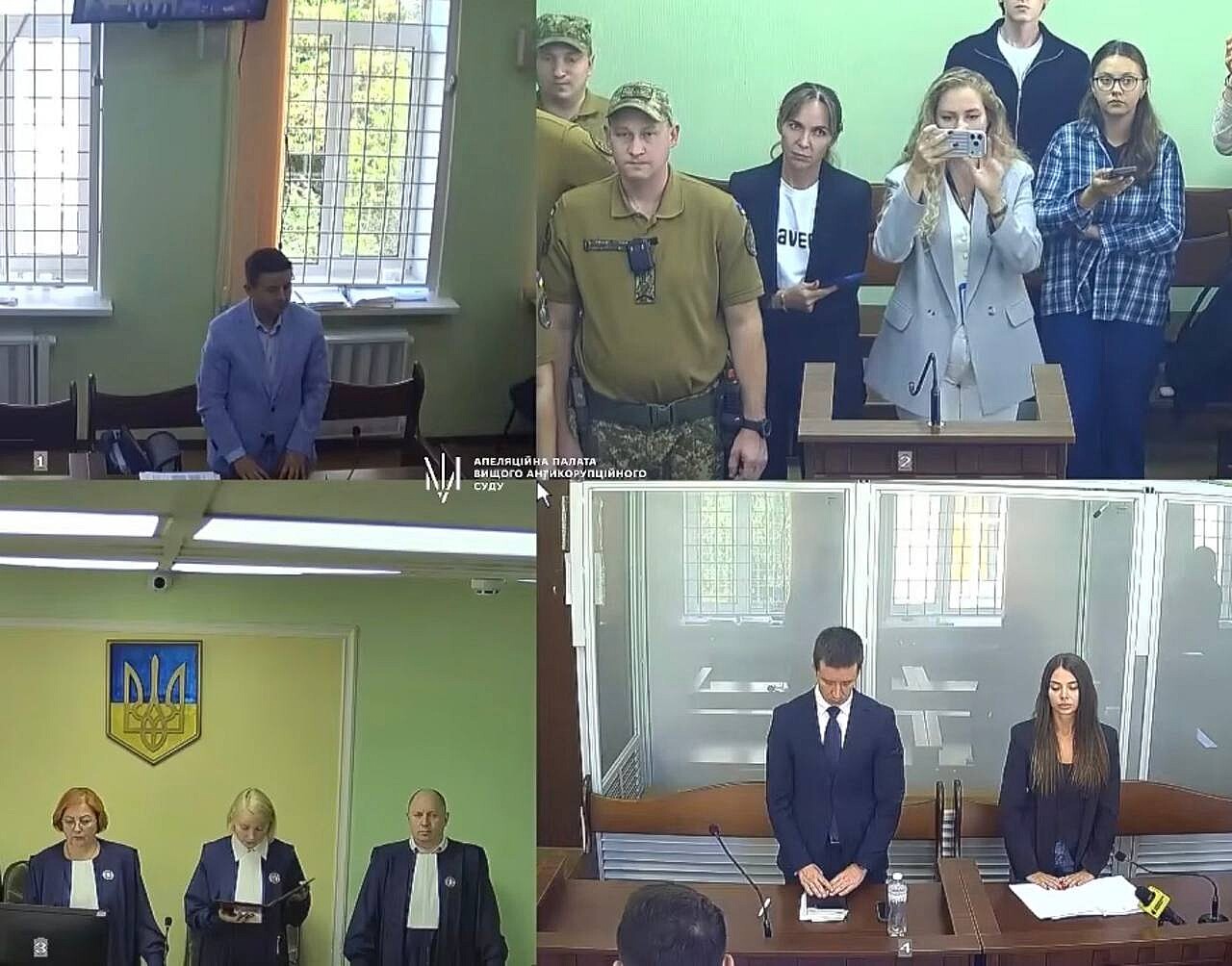
The prosecutor of the Specialized Anti-Corruption Prosecutor's Office insisted that the previously determined preventive measure should remain unchanged—detention with the possibility of posting UAH 20 million bail. The court agreed with the prosecution's position.
The court cited a new conversation between "Muza" and "Chancellor"
One of the prosecution's arguments was a conversation between Ivakhnenko and Serhiy Kropyva, who appears under the pseudonym "Chancellor" in NABU materials.
According to the information announced during the hearing, Ivakhnenko said in the conversation that it was necessary to "run through to the maximum", like the previous year—approximately UAH 6 million.
The prosecutor cited this episode as one of the arguments in favor of the investigation's version of using business activity to give a legal appearance to the origin of funds.
This fragment complements the already known case materials. As Kurs previously reported, during the selection of Ivakhnenko's preventive measure, the SAPO prosecutor stated that Kropyva, with her participation, could have organized the laundering of UAH 21.6 million.
The prosecution also drew attention to the receipt of funds into the accounts of Ivakhnenko's relatives. In particular, it was previously stated in court that during April-June 2026, UAH 1.78 million was received into the account of her mother. The investigation is checking the version that some of these operations could have been disguised as legal income from business activities.
The investigation claimed attempts to conceal property and photographs
During the appellate review, the prosecution also insisted on maintaining the risk of obstructing criminal proceedings.
According to the investigation, Ivakhnenko could have concealed information about expensive property, including handbags, and also delete photographs from social networks.
Separately, the prosecutor mentioned photographs from a trip to Madrid. Earlier, the prosecution claimed that Ivakhnenko and Kropyva were there in the company of the then Prosecutor General Ruslan Kravchenko.
The mere fact of a joint trip or appearing in photographs does not indicate Kravchenko's involvement in the crimes under investigation in the Carthage case. These circumstances were presented by prosecutors in court in the context of the suspects' connections and the assessment of procedural risks.
"Muza" was taken into custody in early September
The HACC selected a preventive measure for Ivakhnenko on September 7. The court ordered her detention until November 2 with an alternative of UAH 20 million bail, although the SAPO prosecutor requested bail at the level of UAH 50 million.
In case of posting bail, Ivakhnenko is subject to a number of obligations, including appearing when summoned by the investigator, prosecutor, or court; not communicating with certain persons in the case; surrendering travel documents; and wearing an electronic monitoring device.
Ivakhnenko previously denied participation in a criminal organization and stated in court that part of the conversations presented by the prosecution were taken out of context.
What is known about the Carthage case
NABU and SAPO announced operation Carthage in early September. According to the investigation, the criminal organization was created in mid-2025 by one of the heads of a structural unit of the Prosecutor General's Office.
Anti-corruption bodies claim that members of the organization systematically received unlawful benefits for non-interference in the activities of fraudulent call centers, and subsequently laundered the received funds through real estate, jewelry, other expensive property, and accounts of close persons.
According to official NABU data, more than UAH 20 million, the origin of which is being verified by the investigation, could have been directed to the purchase of real estate and valuable property; another UAH 12 million to assets re-registered to third parties; and over UAH 10 million placed in the accounts of close persons under the guise of business income.
One of the key suspects in the case is Serhiy Kropyva, an official of the Prosecutor General's Office—"Chancellor". The HACC previously also took him into custody until November 2 with an alternative of UAH 120 million bail.
The investigation is ongoing. Ivakhnenko, Kropyva and other suspects are presumed innocent until their guilt is proven by a court verdict.
According to: Center for Countering Corruption, NABU
