
Half of Russia's largest oil refineries cut diesel output after drone attacks
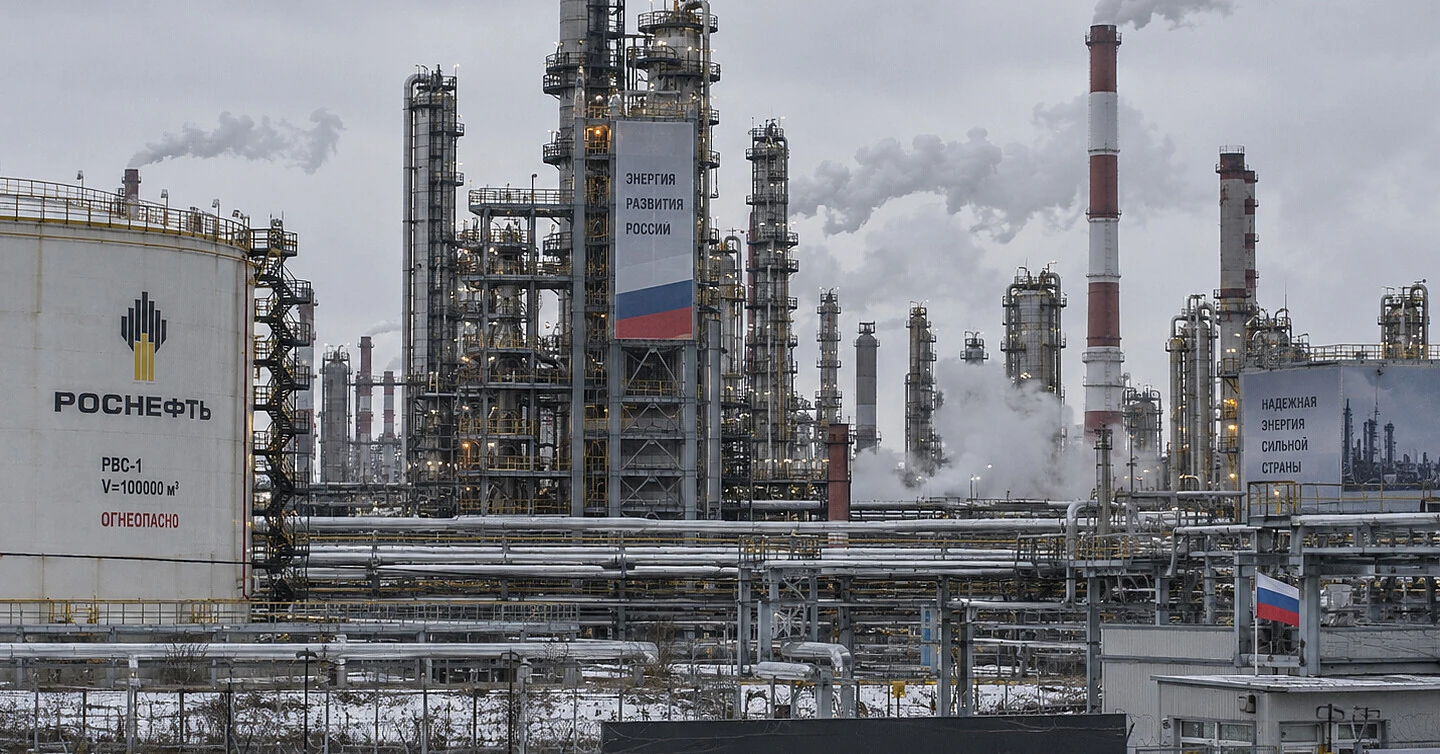
Half of the six largest Russian oil refineries producing diesel fuel were forced to significantly cut or completely halt output in September after drone attacks.
This was reported by Reuters citing its own calculations based on data from fuel market participants.
The top six diesel producers include Omsk Refinery, Kirishi Refinery, TANECO, Volgograd Refinery, Nizhny Novgorod Refinery (NORSI), and Perm Refinery. Together they account for about half of Russian diesel fuel production.
The most serious situation was at the Kirishi Refinery, which, according to agency sources, was completely shut down. The Volgograd Refinery and NORSI are operating at about a quarter of their design capacity.
As a result, diesel fuel production at the affected facilities is now several times below normal levels. On Sunday, September 13, an attack was also recorded at the TANECO complex in Tatarstan, but the extent of its impact on production has not yet been assessed.
The series of strikes has already affected the Russian fuel market and exports. Russia was forced to restrict foreign shipments of gasoline, diesel, and aviation fuel amid reduced refining and shortages of certain types of fuel within the country.
According to traders, even before restrictions were imposed, Russian diesel exports in June fell below 1 million tons. Together with gasoil, shipments amounted to about 1.8 million tons. For comparison, a year earlier, exports of diesel alone reached about 2.5 million tons per month, and with lower-quality gasoil included, 3.3–3.4 million tons.
Thus, diesel exports have more than halved compared to the period when Russian refineries operated normally. The largest buyers of Russian diesel fuel remained Turkey and Brazil — before restrictions were introduced in July, they accounted for at least half of the available export lots.
The scale of attacks on Russia's refining industry has noticeably increased in 2026. According to the International Energy Agency, during the first eight months of the year, a Russian refinery was hit on average once every three days.
In its September review, the IEA also noted that disruptions in Russian refining operations and a sharp reduction in petroleum product exports have further exacerbated the global diesel shortage. At the same time, oil product supplies from the Middle East remain limited due to the war and shipping problems through the Strait of Hormuz.
US President Donald Trump drew attention to the situation. On September 13, he called on Vladimir Zelensky to stop strikes on Russian facilities producing diesel, saying that supply cuts contribute to global fuel shortages. Ukraine emphasizes that Russian refineries are legitimate military targets because the oil industry provides resources for Russia's war against Ukraine.
