
US House of Representatives unblocks vote on sanctions against Russia
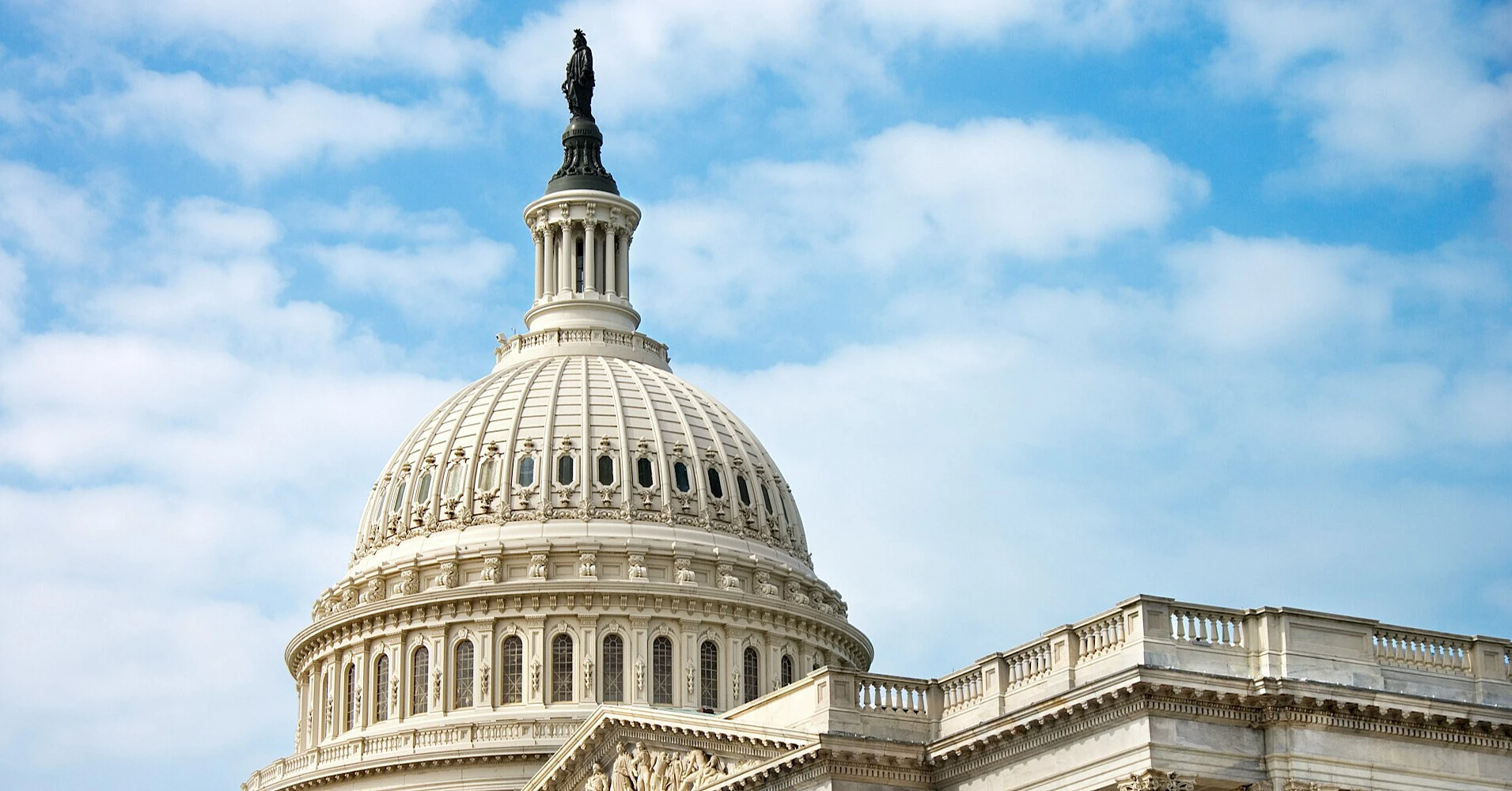
The US House of Representatives on Tuesday, September 15, overcame a key procedural hurdle to consider a large-scale sanctions bill against Russia. The resolution, which paves the way for a final vote, was supported by 214 congressmen, with 211 opposed.
It concerns the Lindsey O. Graham Sanctioning Russia and Iran Act of 2026. The House approved procedural resolution H.Res.1530, which allows moving to a vote the already Senate-approved version of the bill. 211 Republicans, two Democrats, and one independent congressman voted for it. Against were 209 Democrats and two Republicans.
Democrats Jared Golden and Marie Gluesenkamp Perez supported the procedural move against the majority position of their caucus. Golden's representative explained to Fox News that the congressman did not want to allow blocking the sanctions bill at the procedural stage after Senate support.
The final vote in the House is to take place on Wednesday, September 16. Republican congressman Michael McCaul reported that he will personally manage the debate on the floor before the vote. According to Fox News, consideration of the bill was planned for the afternoon.
The procedure approved by the House provides for one hour of debate, after which a proposal to concur with the Senate amendments to H.R.5334 will be put to a vote. Thus, congressmen will vote for the version already approved by the upper chamber. If the House passes it without changes, the bill can be sent to President Donald Trump for signature.
The US Senate passed the bill on August 7 by a vote of 86 to 11. The document provides for sanctions against Russian officials, financial institutions, the energy sector, and the so-called shadow fleet used to circumvent restrictions.
One of the main provisions gives the US president authority to impose tariffs up to 100% on goods from five countries that are the largest buyers of Russian oil or natural gas, as well as from five countries most involved in circumventing oil sanctions against Russia. Separately, the document provides for tariffs up to 500% on imports directly from the Russian Federation.
Expanding presidential powers in tariff matters became the main reason for resistance from some Democrats in the House. Democratic members of the Rules Committee tried to remove the provision on broad secondary tariffs and proposed to clearly define the countries to which they could apply, but the committee rejected both amendments by a vote of 7 to 3.
Based on materials from: Office of the Clerk of the US House of Representatives, Fox News, Alex Raufoglu
