
Germany and US agree to expand joint arms production
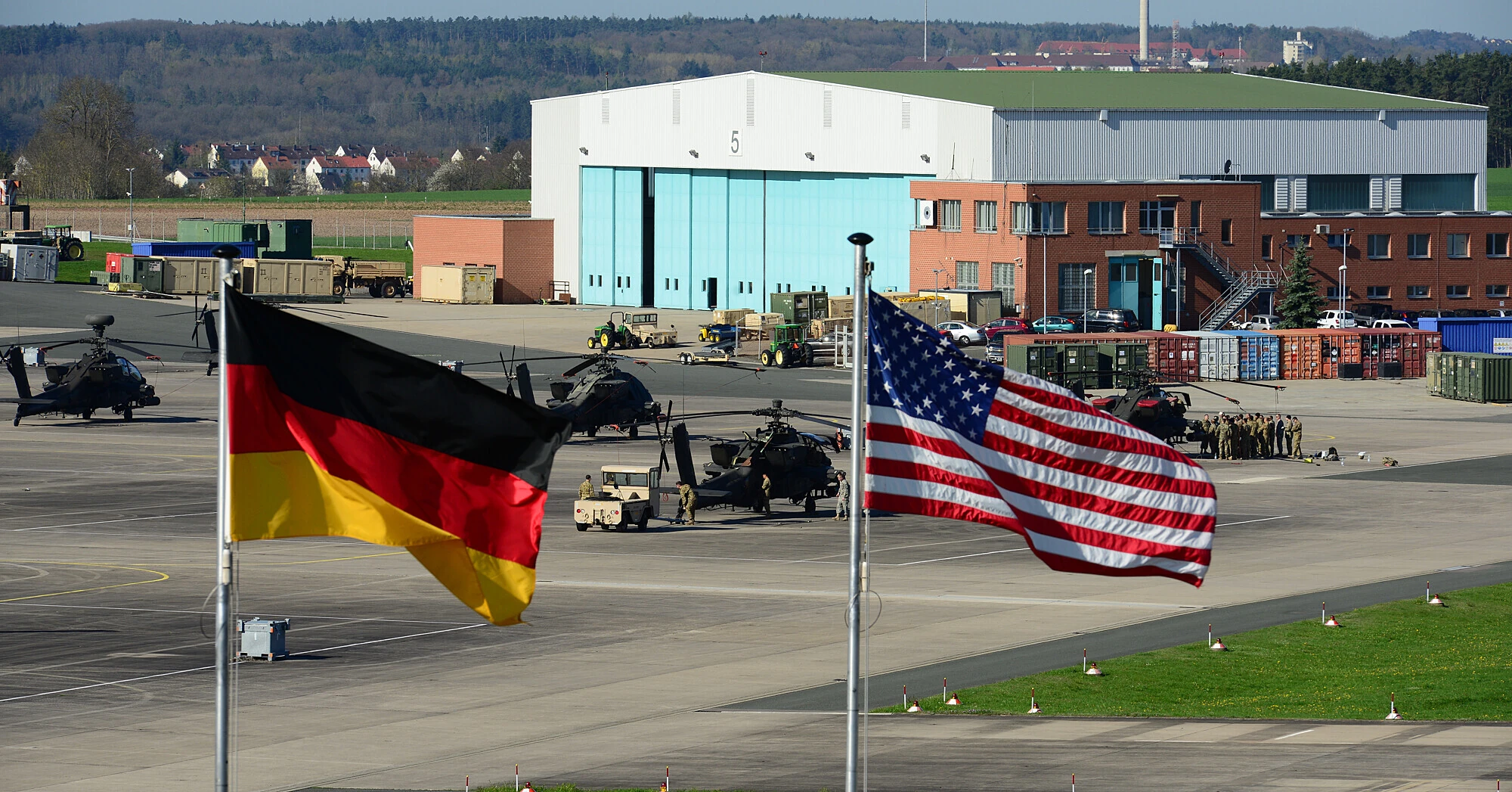
Germany and the US have agreed to substantially expand defense industry cooperation – from joint development and production of weapons to licensed manufacturing, repair and maintenance of equipment. Part of NATO's growing needs for weapons and ammunition is planned to be covered by German industrial capacities.
The corresponding memorandum of intent was signed in Washington by German Defense Minister Boris Pistorius and Pentagon chief Pete Hegseth.
The document creates a political framework for new joint defense projects. It covers the development and production of weapons, licensed manufacturing, repair and technical maintenance, as well as strengthening supply chains and expanding cooperation in research and development.
A separate goal is to simplify technology transfer between the two countries. Berlin and Washington assume that NATO's current demand for weapons, ammunition and military equipment requires not only increasing production capacities, but also shortening delivery times.
Pistorius stated that Germany is ready to provide its own industrial capacities, skilled workers and technological expertise for joint production.
Hegseth, for his part, said that the agreement is intended to expand opportunities for joint development, production and licensed manufacturing of weapons. According to him, the goal is to deliver modern systems to American, German and other allied forces faster and on a larger scale.
Specific contracts still ahead
The signed document does not yet provide for orders of specific systems or defined production volumes. Pistorius emphasized that work on individual contracts and agreements is only beginning.
At the same time, a number of major joint projects already exist between the defense industries of the two countries. In Weeze, Germany, components for American F-35 fighter jets are produced, and in Schrobenhausen, capacities related to the production of missiles for Patriot systems are being expanded.
Germany also plans to purchase Tomahawk cruise missiles from the US. Political approval for the sale already exists, but final parameters and delivery schedules are still being coordinated.
The strengthening of industrial cooperation comes amid a sharp increase in NATO's defense needs. According to Handelsblatt, the US increasingly needs the production capabilities of allies, as its own capacities do not allow rapid enough expansion of output for certain types of weapons and ammunition.
For Germany, the new agreement at the same time opens up opportunities for greater participation of its defense companies in transatlantic programs and arms production not only for the Bundeswehr, but also for other NATO countries.
Based on materials from: Tagesschau, Handelsblatt
