
US to lift sanctions from two Belarusian enterprises, Lukashenko releases dozens of political prisoners (Updated)
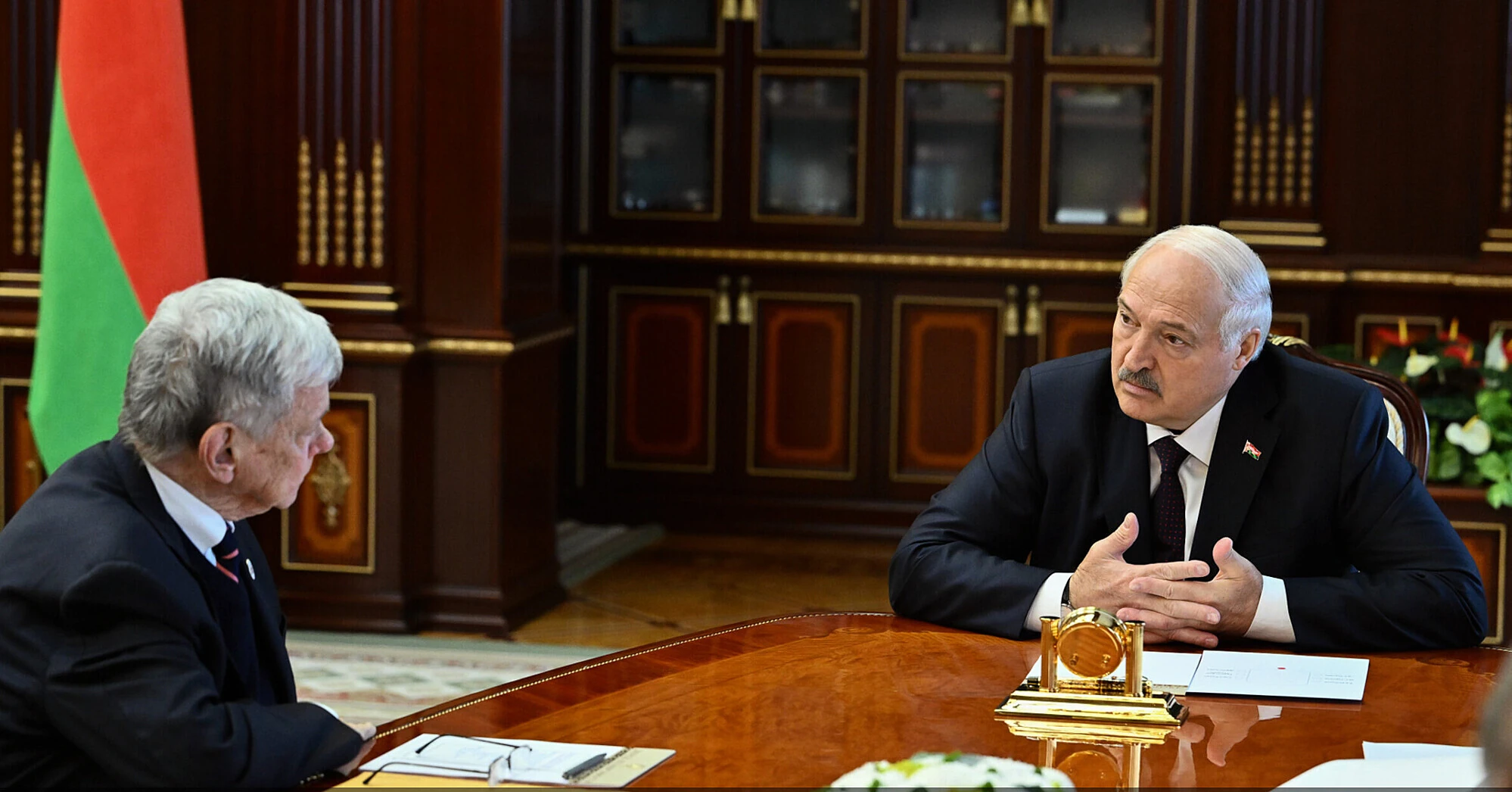
The US has agreed with Belarus on a new easing of sanctions: Washington will remove restrictions from the paint and varnish producer "Lakokraska" and the state concern "Bellesbumprom". In response, the Belarusian authorities released 25 prisoners.
This was announced after another round of negotiations in Minsk by the special envoy of the US President for Belarus, John Coale.
"25 prisoners are free today. President Trump's commitment to direct diplomacy delivers results", Coale said.
He thanked Alexander Lukashenko for this step and Lithuania for its support.
25 prisoners are free today! President Trump’s commitment to direct diplomacy delivers results. Thank you, President Lukashenka, for this step, and thank you to our friends in Lithuania for their support. We will continue to improve US-Belarus relations and are working to secure… pic.twitter.com/fngMiKCND9
— john coale (@johnpcoale) September 16, 2026
According to the American special envoy, the US will continue working to improve relations with Belarus and seek the release of other prisoners "in the near future".
"The United States, for its part, will lift sanctions from two Belarusian companies - "Lakokraska" and "Bellesbumprom"", Coale said.
He also reported that the parties agreed to an "interim arrangement" and will continue negotiations on issues that remain unresolved.
As of September 16, the decision is not yet reflected in the list of recent sanctions actions by the Office of Foreign Assets Control of the US Treasury (OFAC). Therefore, the practical lifting of restrictions must be separately legally formalized by the American side.
Why the companies are under sanctions
"Bellesbumprom" was added to the US sanctions list in December 2023. It is a state concern that unites enterprises of the forestry, woodworking, and pulp-and-paper industries.
OFAC then explained the sanctions by the fact that "Bellesbumprom" is owned or controlled by the government of Belarus. The US Treasury included the concern in the package of restrictions against state structures, which Washington characterized as sources of revenue for the Belarusian authorities.
"Lakokraska" from Lida has been under American restrictions much longer. The company was put under the sanctions regime back in 2008. In various periods, the US issued general licenses that allowed certain operations with the enterprise, but its assets blocked within the sanctions regime remained restricted.
US already eased sanctions in the spring
The current arrangement continues a series of agreements between Minsk and Washington, in which the release of prisoners is accompanied by the easing of American sanctions.
In March, after negotiations mediated by the US, the Belarusian authorities released 250 people whom Washington and human rights organizations consider political prisoners. After that, OFAC removed "Belaruskali" and the Belarusian Potash Company from the sanctions list, canceled part of the restrictions regarding the Ministry of Finance of Belarus and the Development Bank, and issued a general license that allowed operations with "Belinvestbank" and a number of related structures.
According to data from the human rights center "Viasna", despite the previous releases, more than 900 people remain in Belarus whom the organization classifies as political prisoners. The Belarusian authorities, for their part, deny the existence of political persecution.
Minsk also seeks unfreezing of funds in the US
A separate topic of negotiations was frozen Belarusian funds in Citibank. Alexander Lukashenko stated that about $43-44 million belonging to the Belarusian side are blocked there.
Coale replied that the American side has asked the bank to unfreeze the funds and is currently working on a mechanism for their return. He noted that Minsk will be informed after receiving a concrete response from the bank.
Thus, negotiations between the US and Belarus are gradually moving from individual humanitarian agreements to broader economic issues - sanctions against enterprises, blocked assets, and possible resumption of certain trade operations.
Based on materials from: BelTA, OFAC, US Treasury
