
EU prepares enhanced support for Ukraine in energy and air defense - von der Leyen
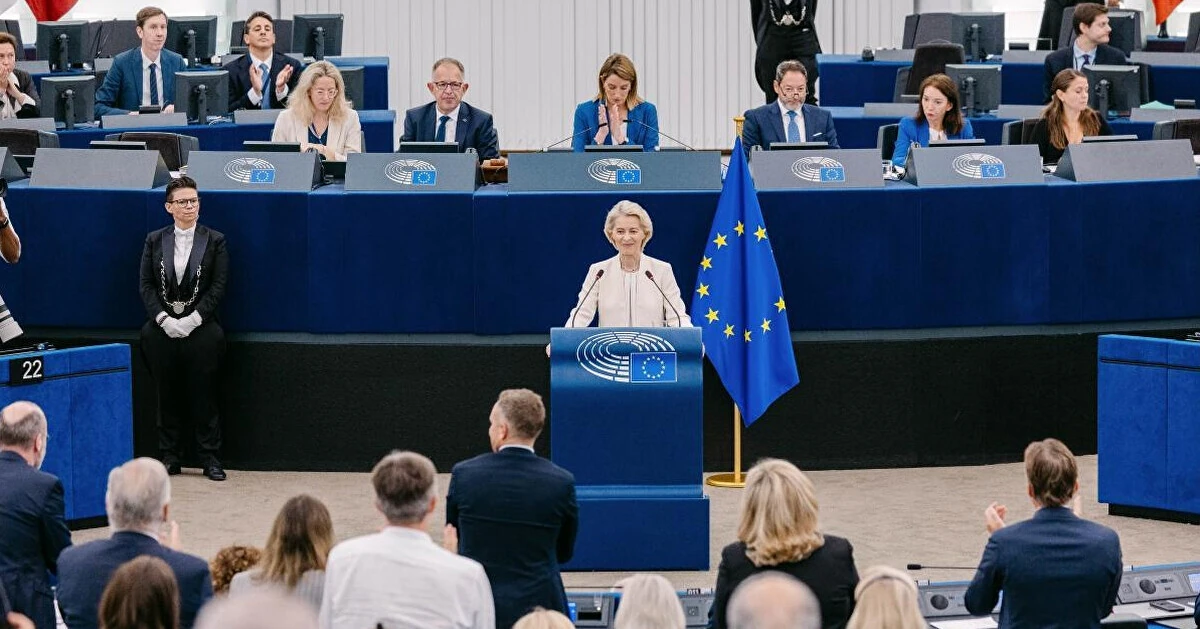
The European Union is preparing to strengthen support for Ukraine during the upcoming winter. The assistance will cover the humanitarian sphere, restoration of the energy system, and air defense, while pressure on Russia through sanctions should continue to grow.
This was stated by President of the European Commission Ursula von der Leyen on September 16 during the annual State of the European Union address in the European Parliament in Strasbourg. She called the upcoming winter period for Ukraine potentially "the most difficult since the war began" and promised further support for Kyiv.
According to von der Leyen, the EU will help repair Ukrainian energy infrastructure and strengthen air defense. She recalled that the European side had already agreed to purchase American missiles for Patriot systems within the military component of the EU loan for Ukraine of €90 billion, and urged ensuring their delivery as soon as possible.
Back in February, the European Commission announced an additional package of €920 million for Ukraine to get through the winter of 2026/2027. The funds and equipment are to be directed toward restoring generation, resilience of electricity networks, energy efficiency, and heat supply. The plan also provides for increasing electricity export capabilities from the EU and developing decentralized generation.
Separately, von der Leyen stated that pressure on Russia must continue to be increased. According to her, this does not always require new sanctions - one of the main tasks should be enforcing already imposed restrictions and closing loopholes for circumvention.
The President of the European Commission also confirmed the EU's course toward a sharp increase in the use of electricity in the economy. By 2040, the share of electricity in final energy consumption should grow by about half - to 46%. According to the European Commission's estimate, this should help reduce costs on fossil fuel imports by about €260 billion annually, but will require large investments in electricity networks and energy storage systems.
Von der Leyen emphasized that Europe should bet on affordable domestically produced energy, including renewable sources, nuclear energy, and biomethane. After reducing dependence on Russian energy resources, the EU seeks to further decrease dependence on external suppliers.
Another notable announcement was an invitation to Canada to become the first "associate member" of the European Union. Von der Leyen proposed moving from the current CETA trade agreement to a broader "Alliance for the Future", which would cover economic security and deepening cooperation.
However, such a status does not currently exist in the EU treaties, so its specific content and legal format still need to be defined. Canada cannot claim regular membership under current rules, as the relevant procedure is designed for European states.
Based on materials: speech by Ursula von der Leyen, European Commission, European Commission
