
Petraeus: Even a new mobilization does not guarantee Russia success in Donbas
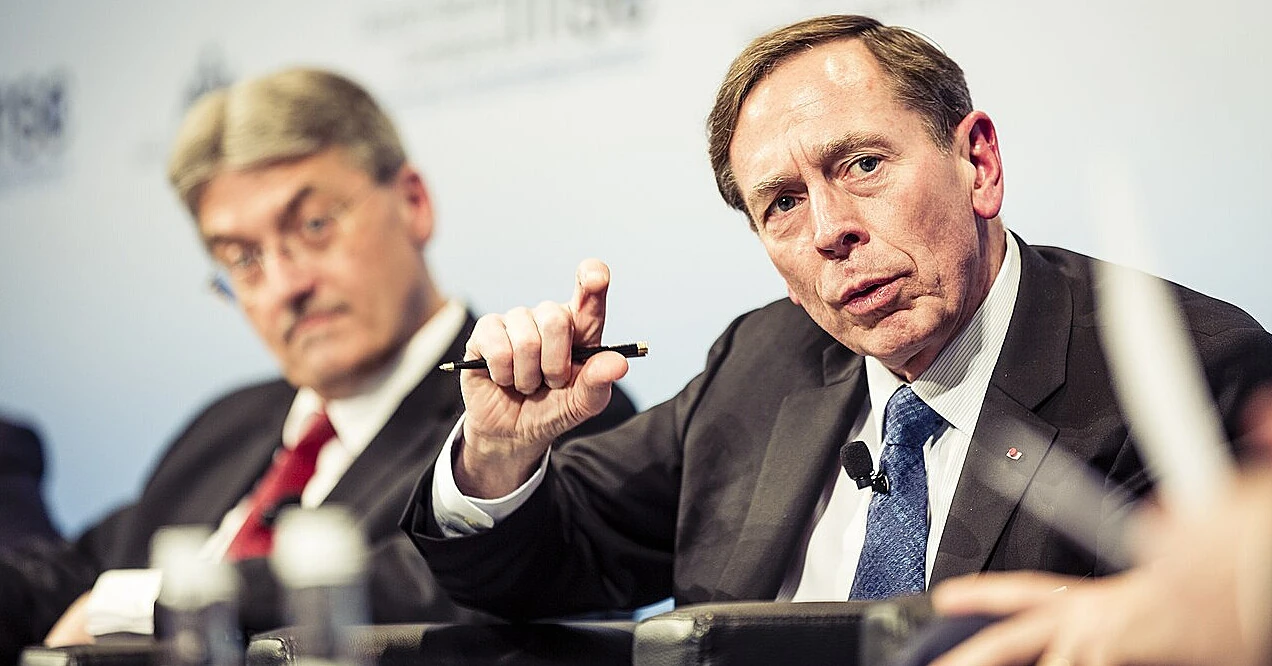
Even Russia's involvement of an additional 100-200 thousand troops by itself does not guarantee its success in Donbas. Moscow has still not achieved the key goals of its campaign and has not approached a number of fortified cities, believes former CIA director and ex-commander of US and NATO forces David Petraeus.
Petraeus said this in an interview with RBC-Ukraine.
According to his assessment, Russia has significantly greater human and economic resources, but Ukrainian technologies, unmanned systems, and strikes on Russian infrastructure do not allow this advantage to be automatically converted into major territorial gains.
Speaking directly about Donbas, Petraeus noted that Russian troops have still not reached key fortified cities, including Sloviansk. Therefore, the arrival of new reserves by itself, in his opinion, will not mean a breakthrough.
"So, okay, they have another 100-200 thousand. Does that guarantee some success? No", - said Petraeus.
He also believes that Ukrainian forces are currently maintaining operational initiative, since Russia has failed to realize the stated goals of the spring-summer campaign. According to Petraeus, Moscow continues to suffer heavy losses, and its capabilities increasingly depend on the ability to replenish personnel and sustain a wartime economy.
The topic of new mobilization in Russia is intensifying ahead of the State Duma elections. The main voting day is set for September 20, and the voting itself will last from September 18-20, 2026. The possibility of announcing or actually launching a new wave of mobilization after the elections has been repeatedly reported by Western media in recent months. In particular, The Washington Post reported such expectations back in late June and again in early September, while The Guardian in July cited a similar assessment by a senior Ukrainian military official.
At the end of August, the Main Intelligence Directorate of the Ministry of Defense and the Foreign Intelligence Service of Ukraine presented a much larger-scale assessment. According to their data, the General Staff of the Russian Federation worked out an option for additional mobilization of a total 600 thousand people in 2026-2027 - 300 thousand each this year and next. Ukrainian special services considered the most likely making of a political decision after the State Duma elections.
Ukrainian intelligence explained the possible mobilization by high losses of the Russian army and a slowdown in the recruitment of contract soldiers. According to its estimate, from January to July 2026, Russia lost about 240 thousand troops killed and wounded, while about 232 thousand people were recruited under contract during this period.
Former Google CEO Eric Schmidt, who cooperates with the Ukrainian defense sector, also wrote in The Washington Post in September that Russia is considering a new large-scale military recruitment and is shifting its economy and industry to a model of prolonged war.
At the same time, Vladimir Putin publicly denied reports about the need for a new mobilization and called Kyiv's statements an information attack.
Petraeus believes that even a larger replenishment of the Russian army will not automatically change the situation. In his opinion, the decisive factor will be whether Ukraine can continue to deter Russian offensive actions, strike military and economic infrastructure of the Russian Federation, and receive sufficient support from partners.
Based on materials from: RBC-Ukraine (Milan Lelich), The Washington Post, The Guardian
