
Oil in China rises to record after attacks on Saudi pipeline
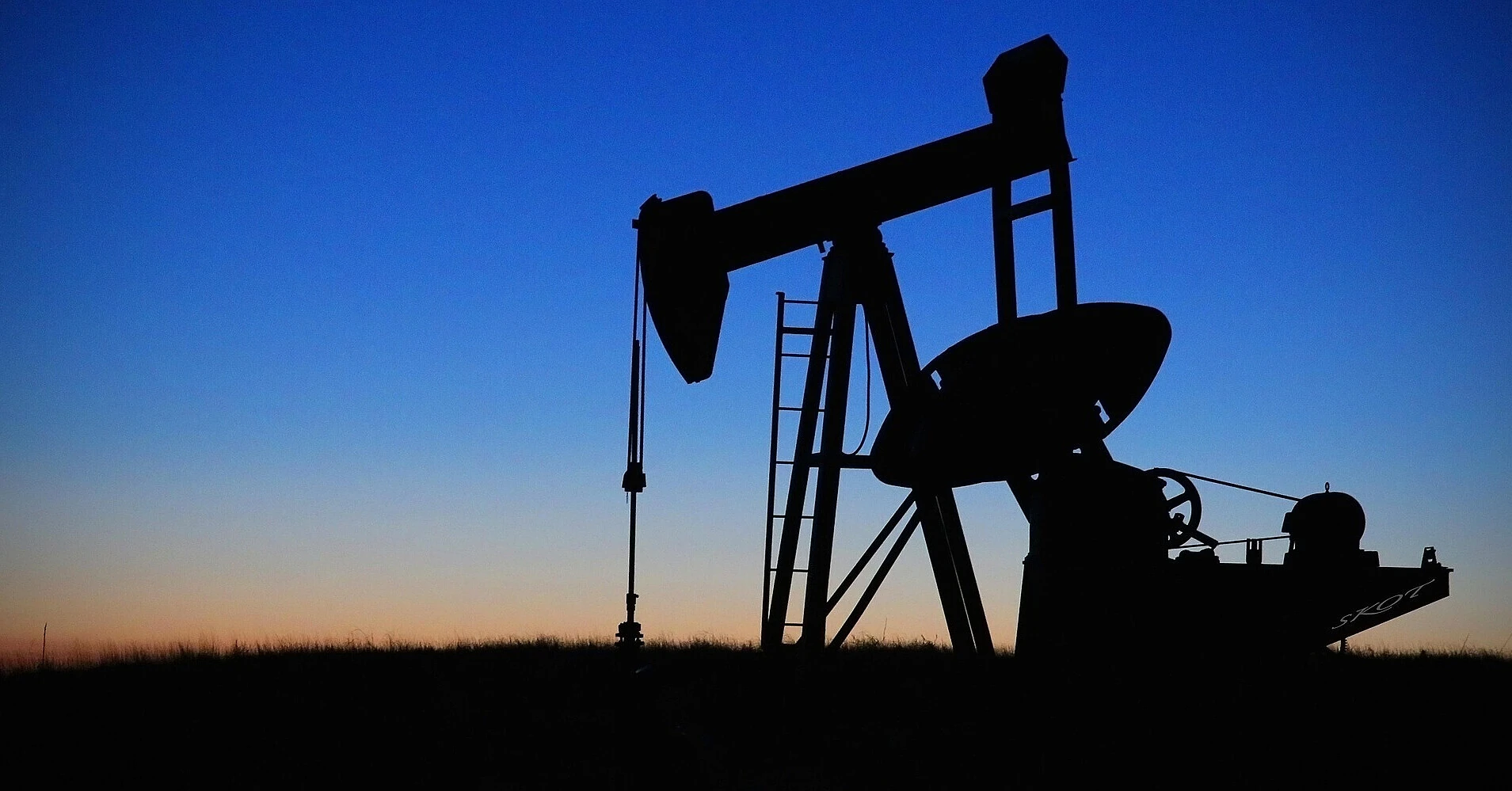
Oil prices in China rose to a historical maximum after attacks on a key Saudi Arabia oil pipeline. Oil refining companies of the world's largest oil importer have stepped up the search for supplies amid growing risks of a shortage of raw materials from the Middle East.
This is written by Financial Times.
On September 16, oil futures in Shanghai were trading at about $129 per barrel. That is above the previous maximum of about $121.8, recorded in the first weeks of the war with Iran. Since the end of last week, Chinese oil has risen in price by about 14%.
The new jump occurred after the shutdown of the Saudi East-West oil pipeline, or Petroline. It connects fields in eastern Saudi Arabia with the port of Yanbu on the Red Sea and allows oil to be exported bypassing the Strait of Hormuz.
The pipeline was stopped after several drone attacks. Saudi Arabia stated that the drones were launched from Iraqi territory. No one has publicly claimed responsibility for the attack. Before the shutdown, the route was especially important due to a sharp restriction on tanker movement through the Strait of Hormuz.
The maximum throughput capacity of East-West is about 7 million barrels per day. In recent months, significant volumes of Saudi oil passed through it, as Riyadh used the western direction as an alternative to traditional export routes via the Persian Gulf.
Financial Times notes that the strike on the pipeline changed the situation for China as well. Previously, Chinese companies limited some purchases and used accumulated reserves, but now state-owned and independent refiners are competing more actively for available oil cargoes.
Additional pressure is created by shrinking fuel inventories inside China. Market participants fear that in the event of a prolonged shortage, the authorities may again restrict exports of petroleum products to ensure the domestic market.
At the same time, Chinese supplies from Saudi Arabia are somewhat better protected in the short term from the East-West shutdown: according to Vortexa analysts, Chinese refineries already in August almost stopped loading Saudi oil through the Red Sea. However, the rise in global prices and shipping costs increases refiners' expenses regardless of the supply route.
The problem extends far beyond the Chinese market. After the attacks, oil and petroleum product prices rose sharply in various regions of the world. In particular, according to FT citing Argus, the cost of low-sulfur diesel fuel in New York this week reached a record $221 per barrel.
Analysts warn that even a rapid restoration of the Saudi pipeline will not fully solve the problem. Shipping in the Red Sea remains under threat due to military actions around Yemen and the Bab el-Mandeb Strait, so restoring previous supply volumes through the western coast of Saudi Arabia may be difficult.
