
The Fed raised its interest rate for the first time since 2023
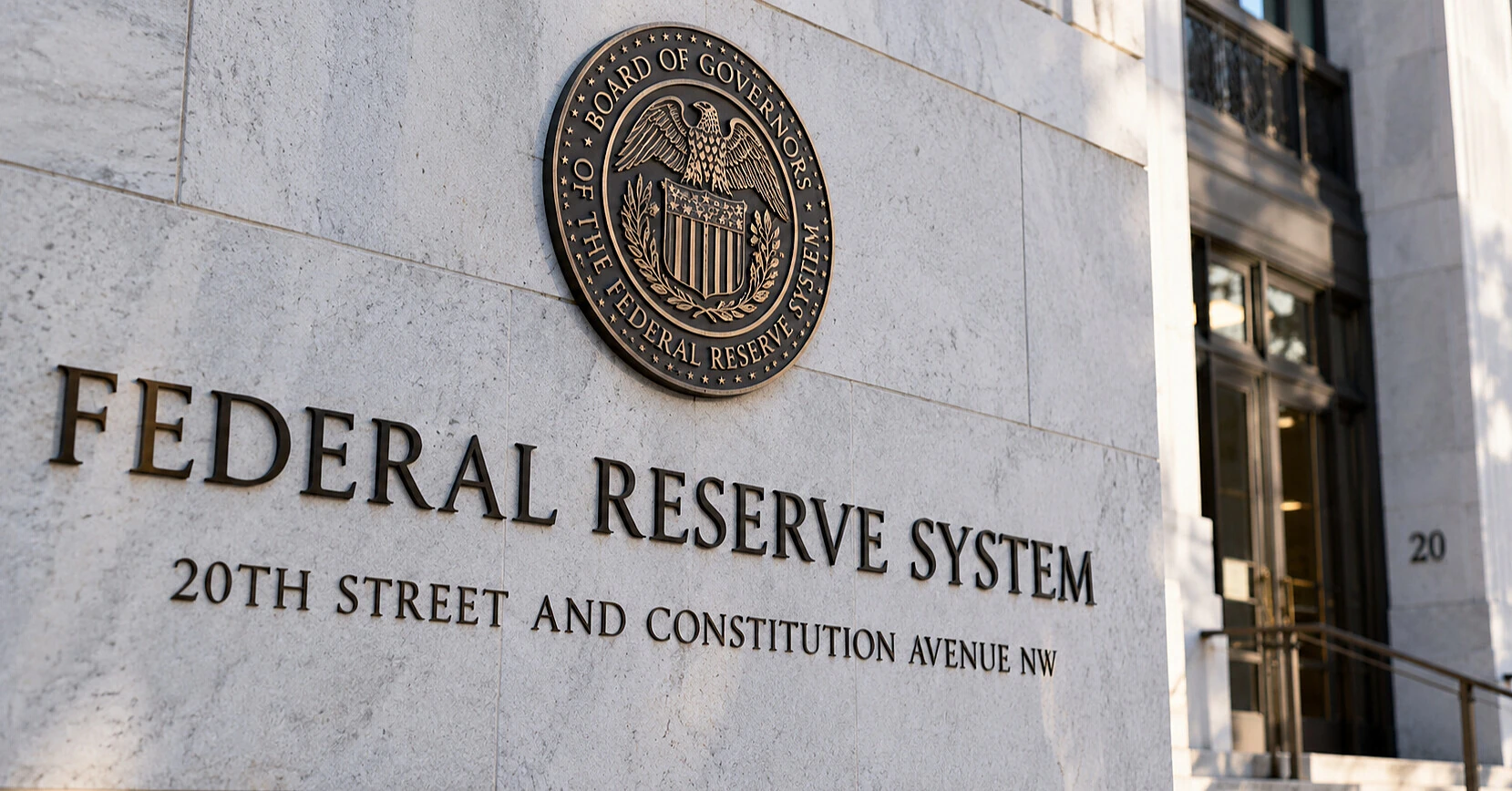
The U.S. Federal Reserve System raised its key interest rate for the first time in more than three years. Following its meeting on September 16, the U.S. central bank increased it by 0.25 percentage point—to a range of 3.75–4.00% per annum.
The decision of the Federal Open Market Committee (FOMC) was adopted unanimously. The main reason for the tightening of monetary policy remains inflation, which continues to significantly exceed the Fed's 2% target.
This is the first rate increase since July 2023. Before the current meeting, the range was 3.50–3.75%.
The Fed had kept borrowing costs unchanged for a long time, but rising prices again increased pressure on the regulator. An additional factor was the increase in energy prices amid the war in the Middle East.
In its post-meeting statement, the Fed noted that the rate increase should contribute to a more timely return of inflation to the 2% target. At the same time, the U.S. economy remains resilient despite the high cost of borrowing.
The change in policy began to take shape as early as this summer. At its meeting in late July, the Fed kept the rate at 3.50–3.75%, but three FOMC members voted for an increase of 0.25 percentage point.
The current decision became the first change in the rate under the new Fed Chair Kevin Warsh, who took over the U.S. central bank in May 2026.
The rate increase means a further rise in the cost of money in the world's largest economy. It may lead to higher costs for credit cards, consumer and auto loans, and also affect mortgage rates. At the same time, a higher rate usually supports returns on deposits and dollar debt instruments.
The Fed's decision is also significant for global financial markets. Higher yields on U.S. assets may strengthen demand for the dollar and U.S. bonds, while putting pressure on currencies and markets of developing countries.
The further trajectory of the rate will depend primarily on inflation dynamics and the state of the U.S. economy. Market participants will now assess whether the September increase is a one-off step or the beginning of a new cycle of monetary tightening.
Based on materials: U.S. Federal Reserve System, Associated Press
