
NYT: The Trump administration is considering concluding business deals with Russia before the war is over
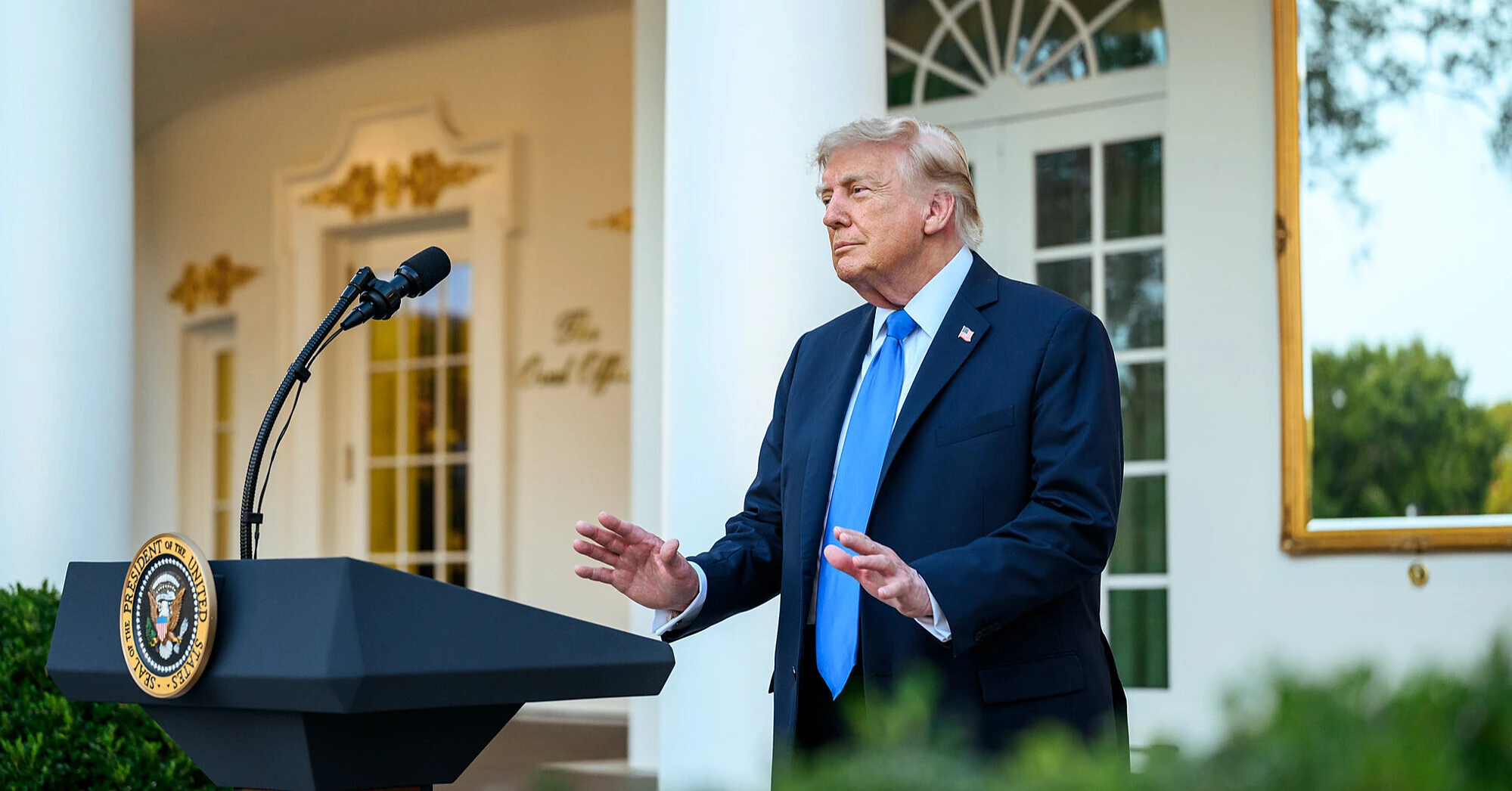
The administration of US President Donald Trump is considering the possibility of concluding separate business deals with Russia even before the end of the war against Ukraine. Washington is counting on economic incentives becoming an additional lever in negotiations with the Kremlin.
The New York Times reports this, citing two people close to the talks and an American official. According to the official, deals before the hostilities end could demonstrate to Moscow the seriousness of US intentions regarding a possible reset of relations with Russia.
Such an approach would mark a change from Trump's previous position. In 2025, he stated that the US would not enter into new business agreements with Russia until the war was resolved. Now his negotiators Steve Witkoff and Jared Kushner, according to NYT, are seeking additional incentives for Moscow amid a lack of progress on the key Russian demand for the withdrawal of Ukrainian troops from part of Donbas.
What specific deals could be made is currently unknown. At the same time, economic topics were already discussed during a meeting of Witkoff and Kushner with Vladimir Putin in Moscow on September 5. Russian presidential aide Yuri Ushakov stated after the talks that the sides spoke in detail about economic issues and potential large joint Russian-American projects.
Previously, Moscow offered Washington various options for economic cooperation, particularly in rare earth metals, aluminum, Arctic projects and energy. However, NYT emphasizes that there is no information yet about concrete agreements ready for signing.
In parallel, the US Congress is moving in the opposite direction — toward increasing economic pressure on Russia. The House of Representatives this week voted 262 to 159 to approve the Lindsey O. Graham Sanctioning Russia and Iran Act, which had previously been supported by the Senate. The bill has already been sent to the president.
The bill allows tariffs from countries that are among the largest buyers of Russian oil and gas or help bypass energy sanctions. It also provides for restrictions against Russian officials, businessmen, financial institutions and vessels of the so-called shadow fleet.
Thus, Washington is simultaneously forming two instruments of influence on Moscow: new sanctions powers for the president and the possibility of offering Russia economic incentives within the negotiation process. According to NYT, Trump's negotiating team is currently placing greater emphasis on finding such incentives.
Based on materials from: The New York Times, US House of Representatives Committee, The Washington Post
