
Pentagon considers withdrawing up to 40,000 American troops from Europe
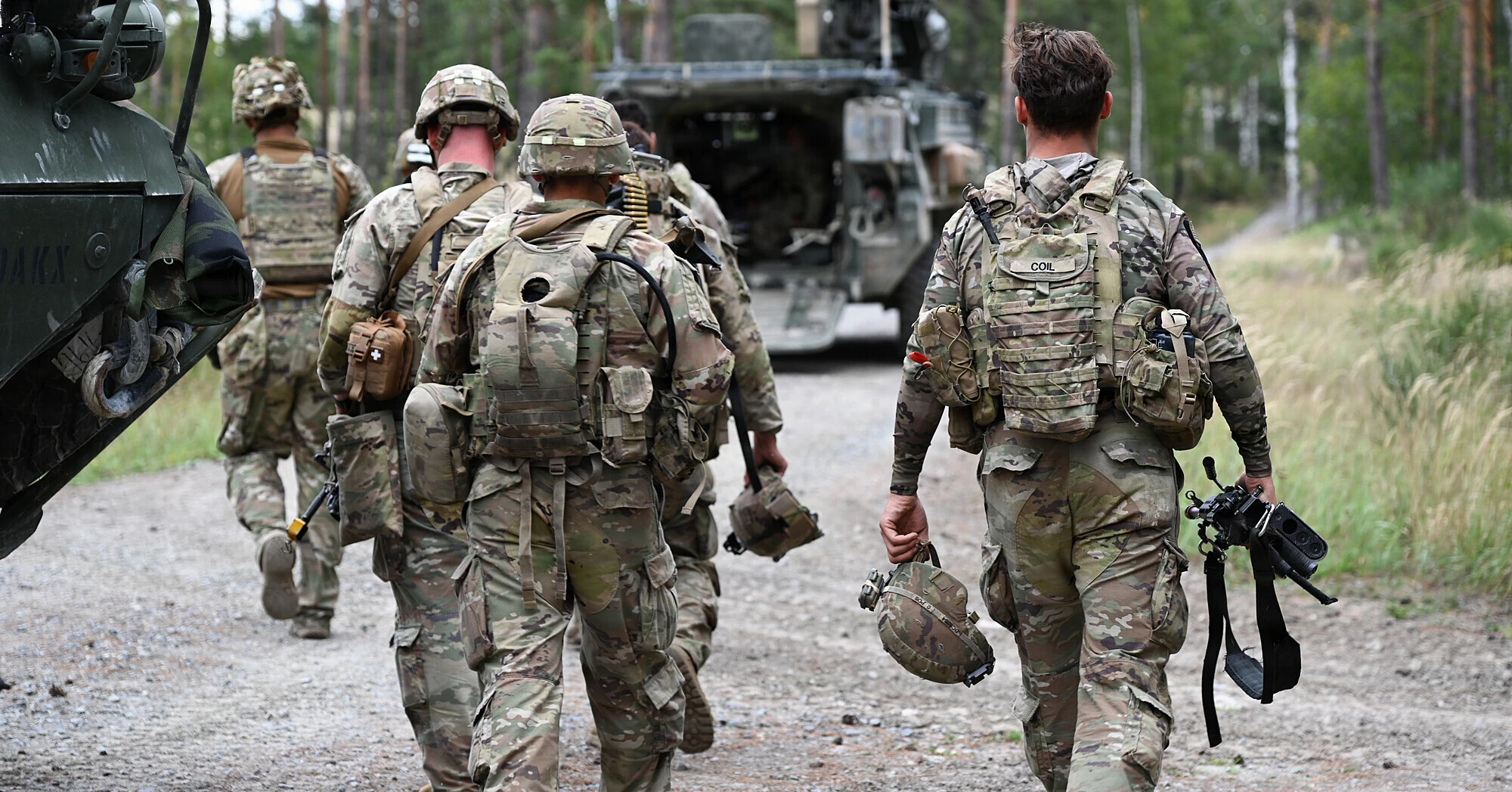
The Pentagon is considering several options for a large-scale reduction of the American military presence in Europe. One of the main scenarios involves withdrawing about 25,000 service members, and the most radical one - up to 40,000 together with some aircraft, ships and other military equipment.
Currently, about 80,000 American troops are stationed in Europe, so implementing the maximum scenario would mean cutting the contingent roughly by half. Washington has not yet made a final decision.
The biggest changes could affect Germany, Italy and Spain, where large American military bases are located. At the same time, some forces might not be returned to the US but redeployed closer to NATO's eastern flank.
Reduction options are being prepared as part of a six-month review of the American military presence in Europe, which Pentagon chief Pete Hegseth announced in June. He said then that Washington intends to review troop numbers and basing structure, while demanding that European allies take a greater share of responsibility for the continent's defense.
According to American media, the military command has prepared at least four scenarios. The commander of US European Command and Supreme Allied Commander Europe of NATO Allied Forces, General Alexus Grynkewich, is to present an initial analysis to the Pentagon. The final options for Hegseth are to be ready by November 6, after which the recommendations could be passed to President Donald Trump.
The review is taking place against the backdrop of the growing Russian threat to European countries and the war against Ukraine. Grynkewich himself previously called Russia the most significant threat to Euro-Atlantic security. In the US Congress, a possible large-scale reduction of the contingent already raises concerns due to the role of American forces in deterring Russia and NATO defense plans.
However, the decision to withdraw 25,000 or 40,000 troops has not been made yet: these are options being considered in the review. The current procedure also provides for consultations between the Pentagon, Congress and US NATO allies before final changes to the American military presence.
According to: The Times, The Washington Post, Defense News
