
Bank of Japan raises rates to 30-year high, but it didn't help the yen
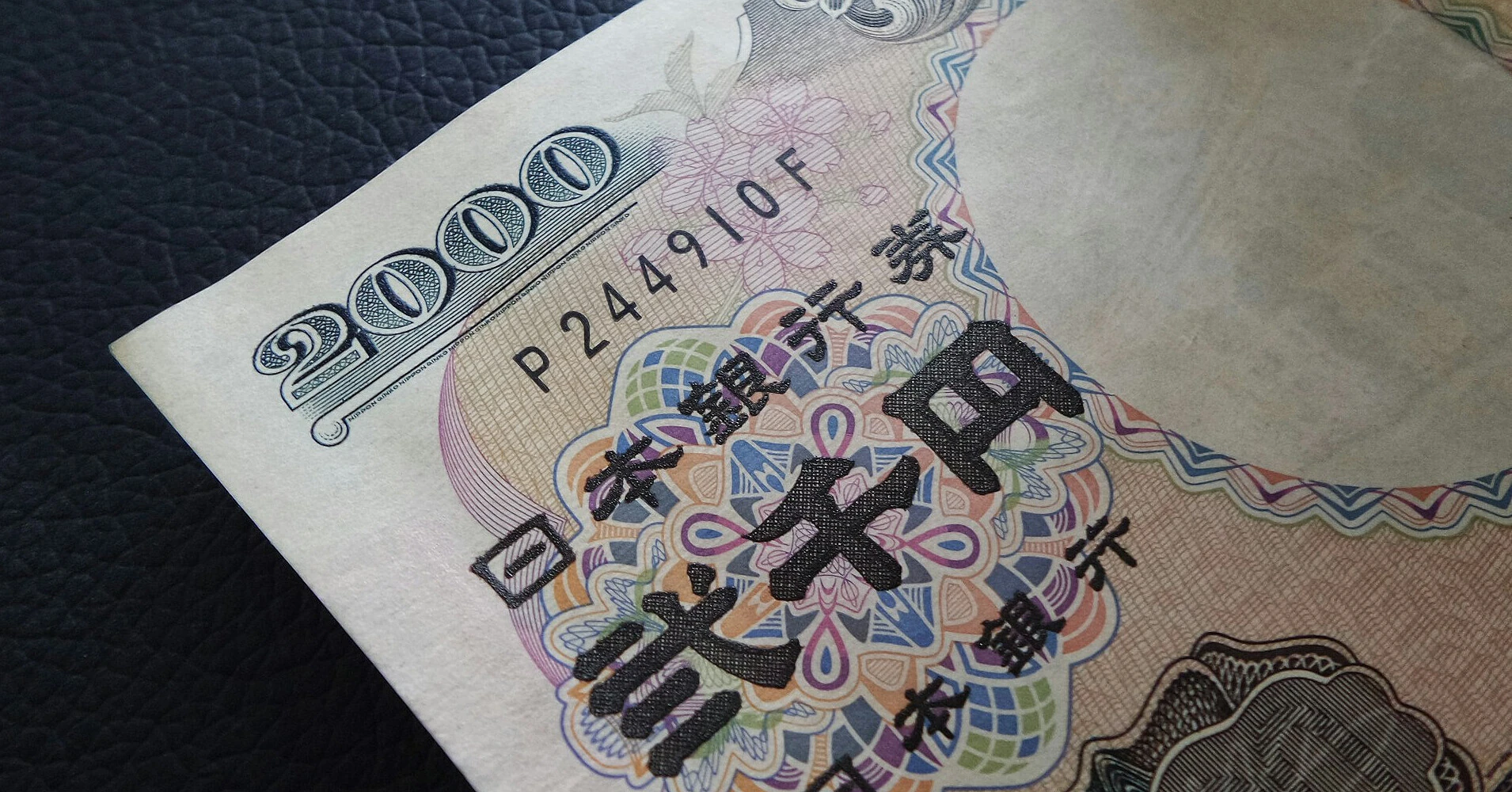
The Bank of Japan on September 18 raised its key interest rate from 1% to 1.25%, the highest level since 1995. The regulator continued to unwind its years-long ultra-low rate policy amid inflation risks, high energy prices, and a weak yen.
The decision was made by the Bank of Japan's board after a two-day meeting by a vote of 7 to 2. The rate was raised by 0.25 percentage points - the first tightening of monetary policy since June, when the regulator brought it to 1%.
The Bank of Japan is trying to curb the risk of renewed inflation acceleration. Additional pressure on prices is created by rising energy costs, especially important for Japan, which is heavily dependent on oil and gas imports.
Another factor remains the weak yen. Its fall makes imports more expensive and increases inflationary pressure within the country. On the eve of the regulator's decision, the Japanese currency was also under pressure due to the US Federal Reserve's rate hike.
Despite the Bank of Japan's move, the yen continued to depreciate after the announcement - the dollar rate exceeded 157 yen. This indicates that investors did not receive a sufficiently strong signal about a rapid further rate increase.
Meanwhile, the Japanese stock market reacted with gains: the Nikkei 225 index rose by about 2%. The rate hike was broadly in line with investor expectations and was largely already priced into the market.
The current decision continues the Bank of Japan's turnaround from the ultra-loose monetary policy that the country pursued for decades to combat deflation. Just a few years ago, the rate remained negative, and in 2024 the regulator began gradually normalizing policy.
The Bank of Japan did not give a direct promise regarding the timing of the next hike. Future decisions will depend on inflation dynamics, wages, the exchange rate, and the impact of high global energy prices on the Japanese economy.
Based on materials from: Bank of Japan, Financial Times, Statistics Bureau of Japan
