
Hormuz crisis pressures global trade: WTO warns of risks for energy and food
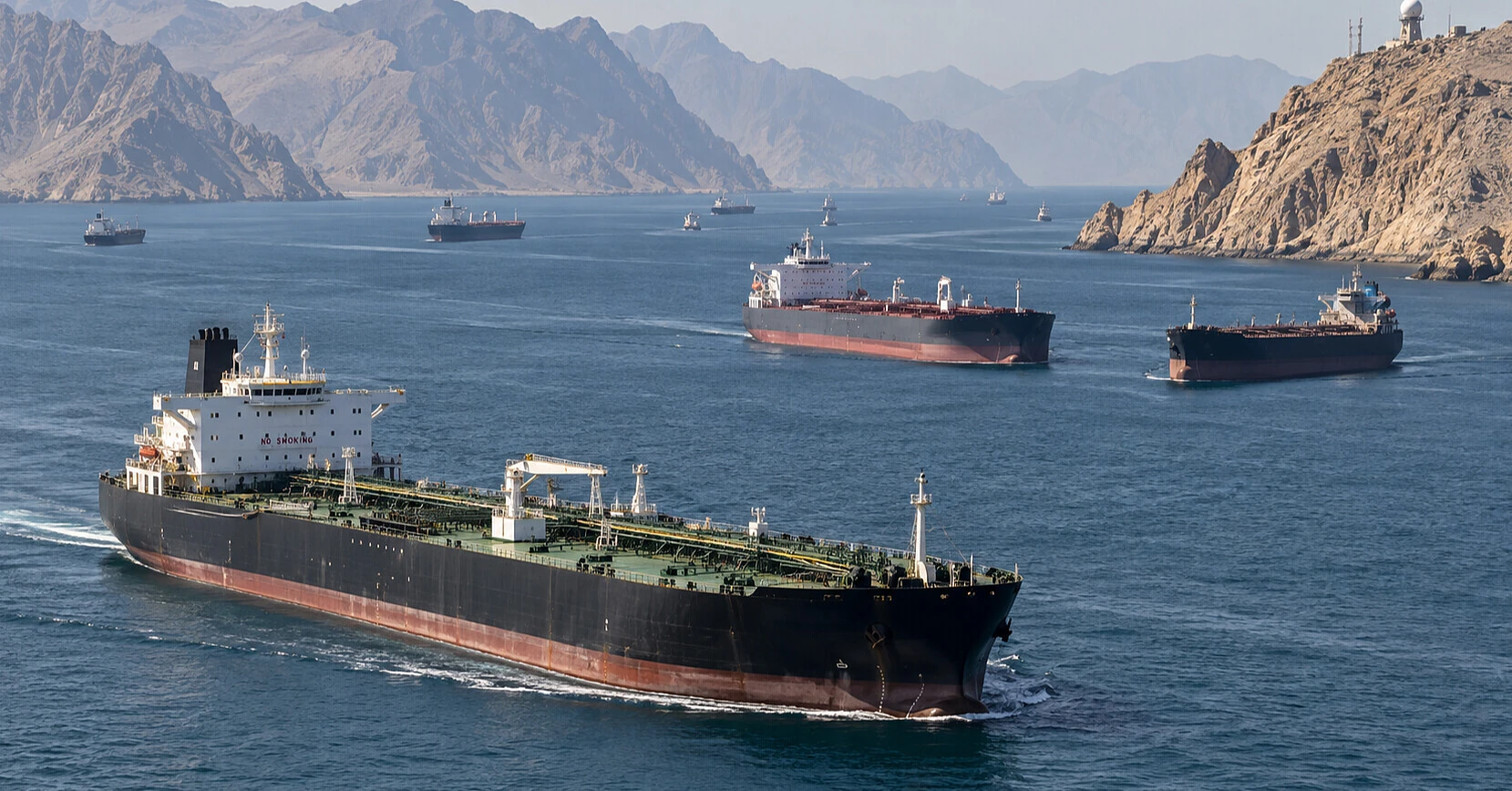
Disruptions in the Strait of Hormuz are increasingly affecting global trade, impacting supplies of energy, food, and fertilizers. The World Trade Organization warns that a prolonged crisis on one of the key maritime routes could further slow global goods flows, while shippers are already restructuring logistics to bypass the strait.
The WTO calls the Strait of Hormuz one of the world's most critical maritime chokepoints. Through it pass vitally important flows of oil, gas, food, and fertilizers between the Persian Gulf and global markets, so disruptions on this route have consequences far beyond the Middle East.
The organization has already established a dedicated trade monitoring system for the Hormuz, which tracks the movement of key commodities practically in real time. The WTO also records trade measures that governments implement in response to the crisis, particularly regarding energy, fertilizers, and agricultural products.
According to the WTO's estimate, world merchandise trade could grow by 1.9% in 2026 in the baseline scenario. However, in a scenario of persistently high energy prices due to the Middle East conflict, growth rates could slow to 1.4%. The organization is still processing second-quarter data, which will more fully reflect the effects of the Hormuz disruptions.
For now, world trade has shown considerable resilience. The WTO Goods Trade Barometer stood at 102 points in September — above the neutral level of 100. Strong demand for electronic components and goods related to artificial intelligence is partially offsetting the negative impact of the Middle East crisis. At the same time, the container shipping index has already fallen below its long-term trend.
One of the most notable effects of the crisis has been the restructuring of transport routes. According to the WTO, after the effective closure of the Strait of Hormuz in spring, major shipping companies began launching multimodal routes combining sea transport with road and rail. They use regional hubs and overland corridors to maintain deliveries to Persian Gulf countries.
The crisis has so far manifested most strongly in the energy market. The International Energy Agency has called it the biggest supply disruption in the history of the world oil market. Before the war, about 15 million barrels of crude oil and an additional 5 million barrels of petroleum products passed through Hormuz daily—about a fifth of global oil consumption.
As of mid-September, global oil inventories, according to IEA estimates, had already declined by about 507 million barrels compared with the start of the war. Over the past six months, inventories have been drawn down at record rates—an average of 2.8 million barrels per day. The agency warns that further supply disruptions could again put upward pressure on world prices.
The impacts extend far beyond the oil market. The World Bank has reported that after a sharp decline in shipping through Hormuz, global food prices rose by about 5% within two months. Pressure has been particularly acute through higher energy, transport, and fertilizer costs.
The World Bank forecasts that fertilizer prices could rise by about 31% in 2026, with urea up by 60%. Bank experts warn that higher fertilizer costs could reduce affordability for farmers and later affect yields and food prices.
Against this backdrop, the WTO itself emphasizes the need not to close markets in response to the crisis. Director-General Ngozi Okonjo-Iweala has noted that the current response of states to the Hormuz disruptions has so far been less protectionist than in previous crises. She also warned against over-reliance on individual suppliers and routes and called for diversifying supply chains.
Overall, the WTO characterizes the current period as one of the most challenging for the multilateral trading system in its 80-year history, though that broader assessment reflects a combination of geopolitical conflicts, trade tensions, and structural changes in the world economy, not only the situation in the Strait of Hormuz.
Sources: World Trade Organization (WTO), International Energy Agency (IEA), World Bank
