
Germany prepares emergency measures due to record gasoline and diesel prices
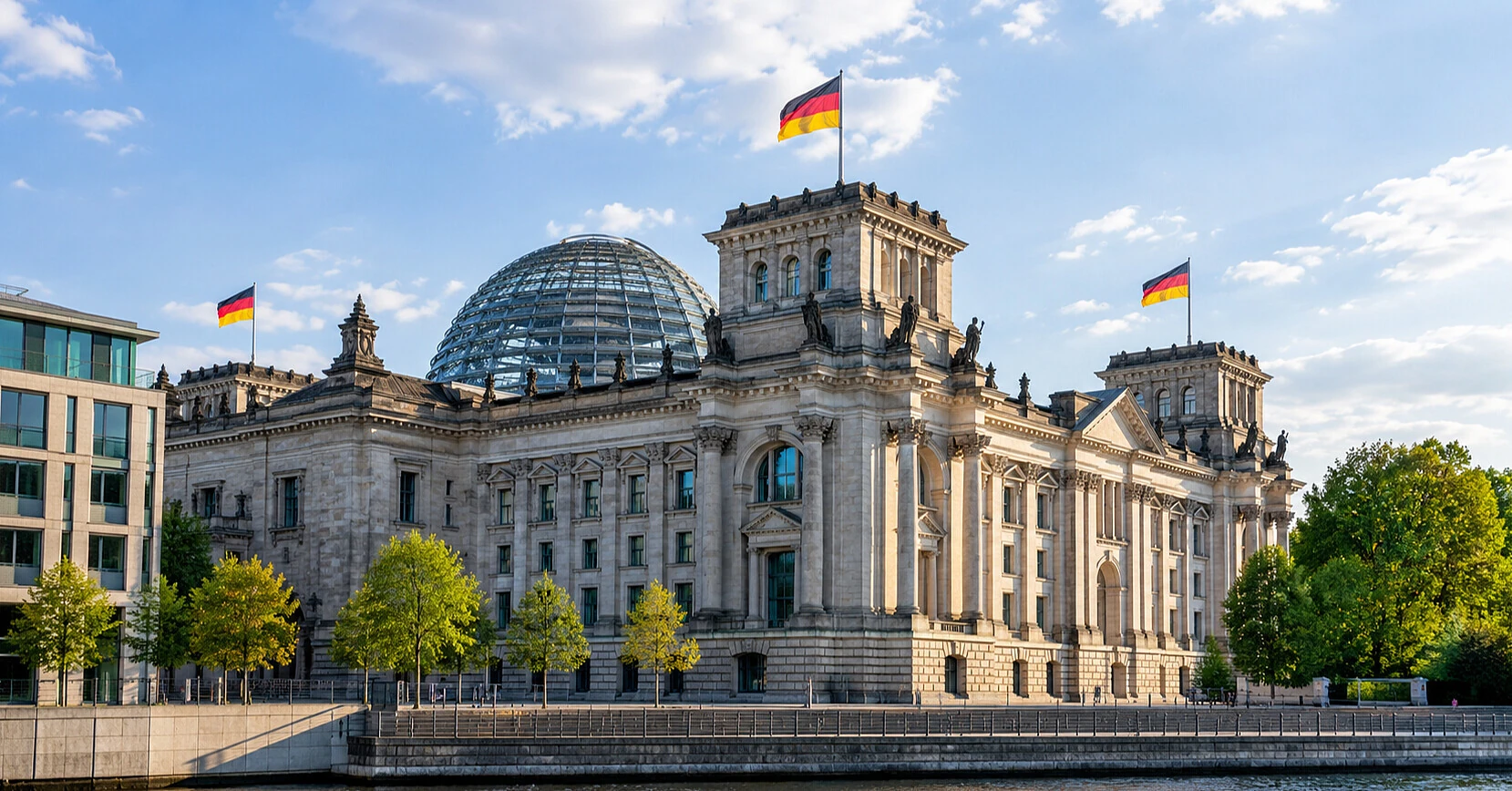
The German government and federal states have agreed on an emergency package of measures to reduce record gasoline and diesel prices. The main measure will be a temporary reduction in fuel tax, which should lower the price per liter by about 17 euro cents.
The decision was made on September 18 amid a sharp increase in fuel prices, which German authorities link to the escalation of the war in the Middle East and disruptions in the global energy market.
The federal government will reduce the energy tax on gasoline and diesel by 14 euro cents per liter until the end of 2026. Including VAT, the total tax reduction will be about 17 cents per liter.
The new mechanism is planned to be launched from October 1, 2026.
€2.5 billion allocated for price reductions
Authorities estimate the total cost of the support package at approximately €2.5 billion. The expenses will be shared by the federal government and the states: the states' contribution will be €1.25 billion.
Chancellor Friedrich Merz stated that high prices have particularly hit people who depend on cars daily, as well as German businesses.
According to ADAC, this week diesel in Germany reached a new all-time high. The average price per liter was €2.453. Super E10 gasoline was also at record levels — about €2.314 per liter.
Since the start of the war with Iran at the end of February, diesel in Germany has risen by about 71 cents per liter, and E10 by approximately 54 cents.
Germany prepares fuel price ceiling
The government does not intend to limit itself to tax cuts. Berlin will start negotiations with oil companies on introducing a temporary price ceiling on gasoline and diesel following the example of Luxembourg and Belgium.
Authorities want to launch such a mechanism no later than January 1, 2027. The government states that the system should simultaneously curb unjustified price markups and not create threats to fuel supplies.
In addition, Germany supports discussions at the European Union level on additional measures targeting the oil business, similar to mechanisms the EU used during the 2022 energy crisis.
The federal government is also preparing a system of direct payments that, if necessary, will provide targeted assistance to households based on their incomes.
Record prices increase pressure on the government
Before reaching an agreement within the ruling coalition, several assistance options were discussed. Economy Minister Katarina Reiche proposed temporarily reducing VAT on fuel from 19% to 7%, SPD representatives advocated for an additional windfall tax on oil companies, and economists suggested directing direct payments to the most vulnerable households.
In the end, the authorities decided to start with a reduction in the energy tax, as this mechanism allows changing the price directly at gas stations more quickly.
The German government states that the current price surge is primarily caused by instability in the global oil market amid the war in the Middle East, attacks on energy infrastructure, and problems with raw material transportation.
Sources: German government, Tagesschau, ZDF, Le Monde
