
During a call with Zelensky, Trump repeatedly asked not to attack Russian refineries - Axios
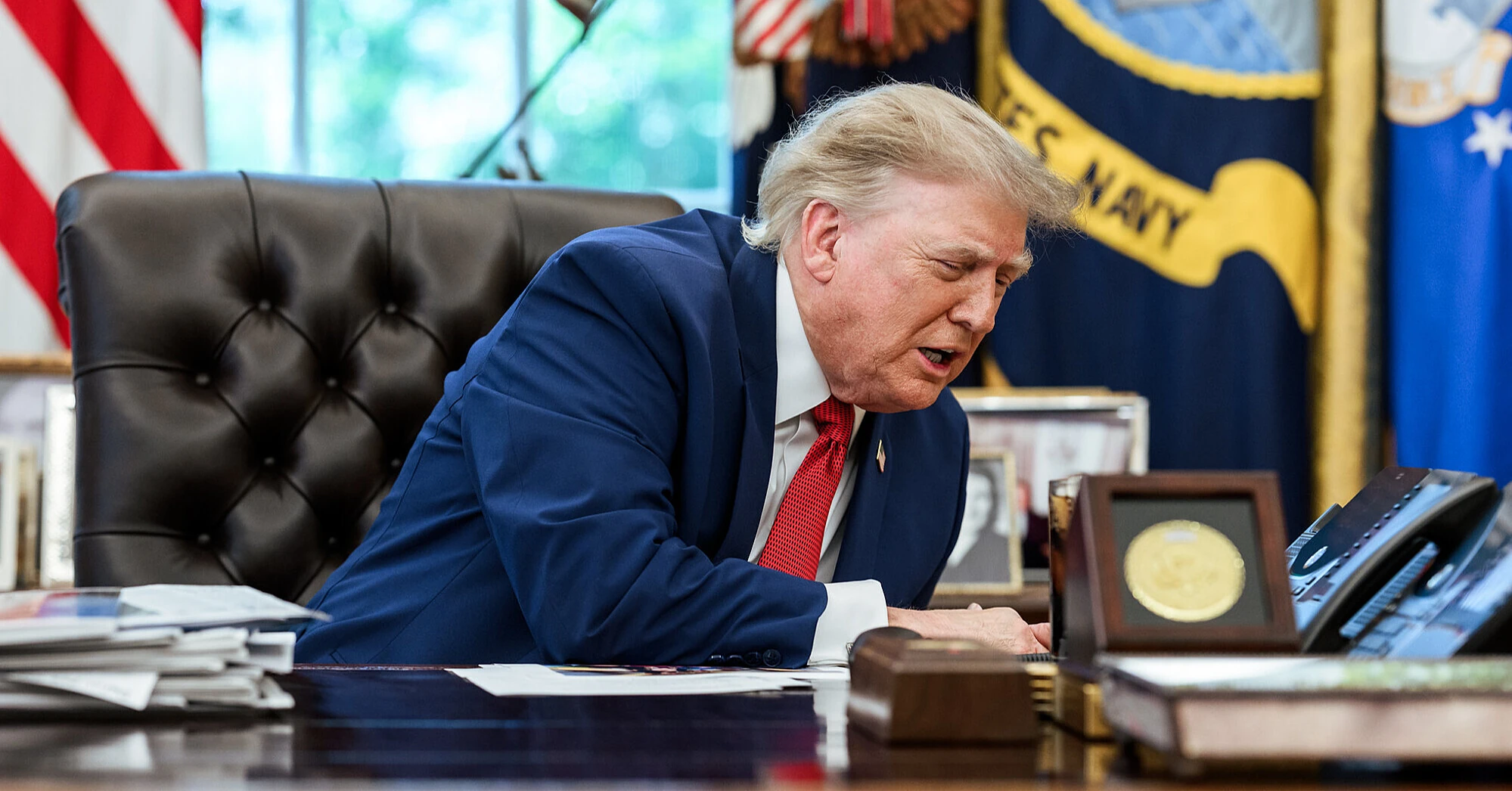
US President Donald Trump repeatedly asked President Volodymyr Zelensky to stop strikes on Russian oil refineries during a phone call on September 20. According to Axios, the American president linked Ukrainian attacks to rising global diesel prices.
The publication cites a source familiar with the content of the conversation. According to the source, the topic of diesel repeatedly came up during the call. The conversation took place ahead of a planned meeting between Trump and Zelensky in New York on the sidelines of the UN General Assembly.
After the call, Zelensky said that the parties discussed a number of issues and agreed to meet in New York. According to him, "diplomatic dynamics" are maintained between Ukraine and the US, and Kyiv is ready for serious steps within the framework of possible agreements on de-escalation. Axios also writes that a representative of the Ukrainian negotiating team, Rustem Umerov, assesses the progress in negotiations as significant: according to him, instead of dozens of contentious issues, only one or two key ones remain.
This is not the first time Trump has called on Kyiv not to strike Russian refining infrastructure. On September 13, The Washington Post reported that the US president publicly asked Zelensky to stop strikes on facilities related to diesel production. Trump said such attacks contribute to global fuel shortages, although he allowed Ukrainian strikes on other targets in Russia.
The next day, Trump again said he had asked Zelensky not to attack Russian refineries, and linked the rise in diesel prices to difficulties in its supply from Russia. Later, he said that Ukraine and Russia allegedly agreed not to strike each other's energy facilities. Zelensky then emphasized that Ukraine is ready for a mutual cessation of such attacks only if Russia actually complies with the agreement.
American media, meanwhile, do not attribute the rise in diesel prices solely to Ukrainian strikes. Axios previously wrote that attacks on Russian refineries and Russia's subsequent restriction of fuel exports did indeed increase the global market shortage, but prices were already under pressure due to broader disruptions in energy markets. CNN also noted that diesel was already significantly more expensive amid the war with Iran before Trump's latest statements.
The meeting between Trump and Zelensky in New York is expected after the US adopts a new package of sanctions against Russia and agrees on a major deal for the supply of American weapons to Ukraine. According to Axios, the parties plan to continue discussing possible steps for de-escalation and negotiations to end the war.
Based on materials from: Axios, The Washington Post, CNN
